Swimming with Magatdä, 2023 - ongoing
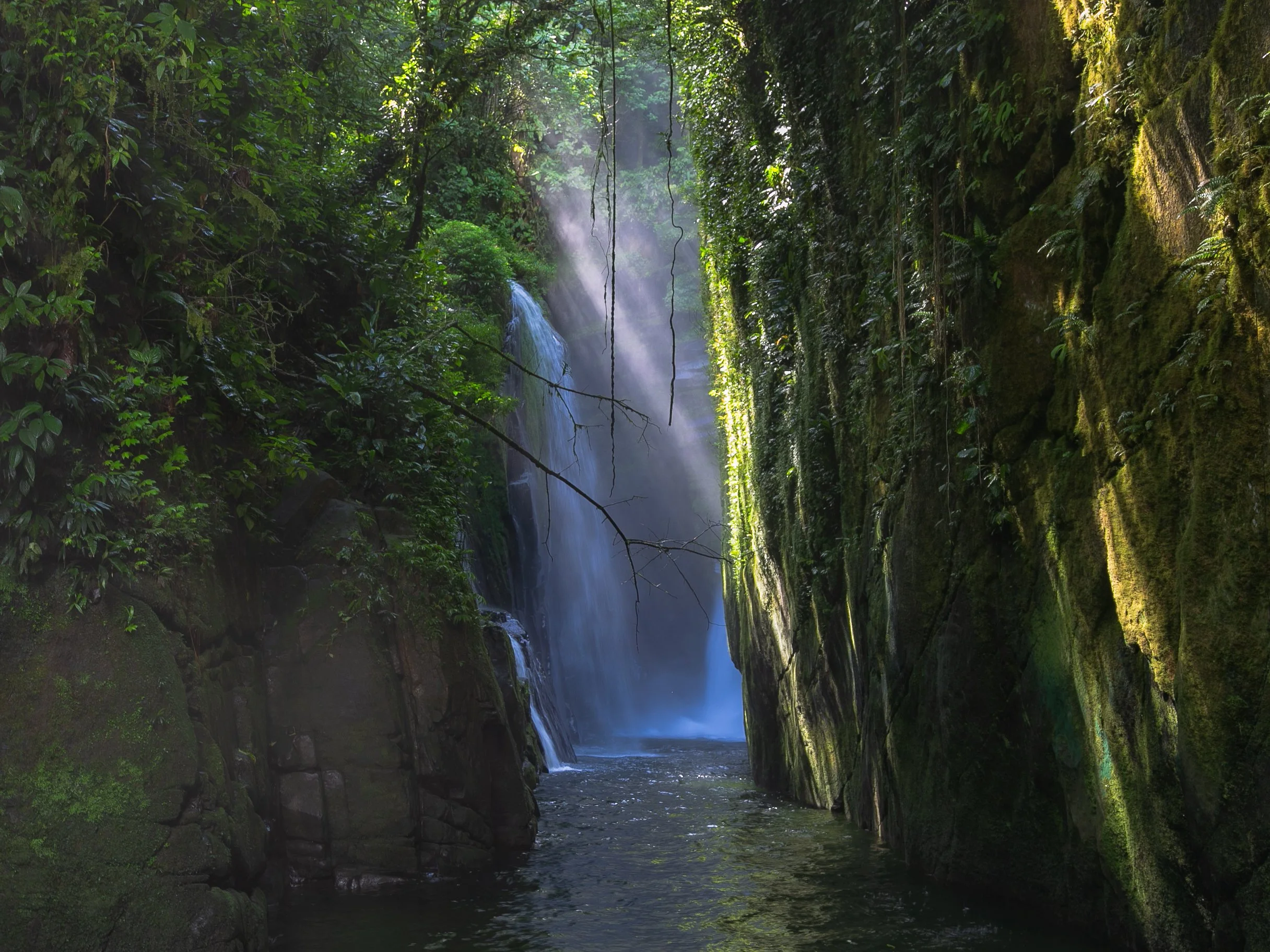
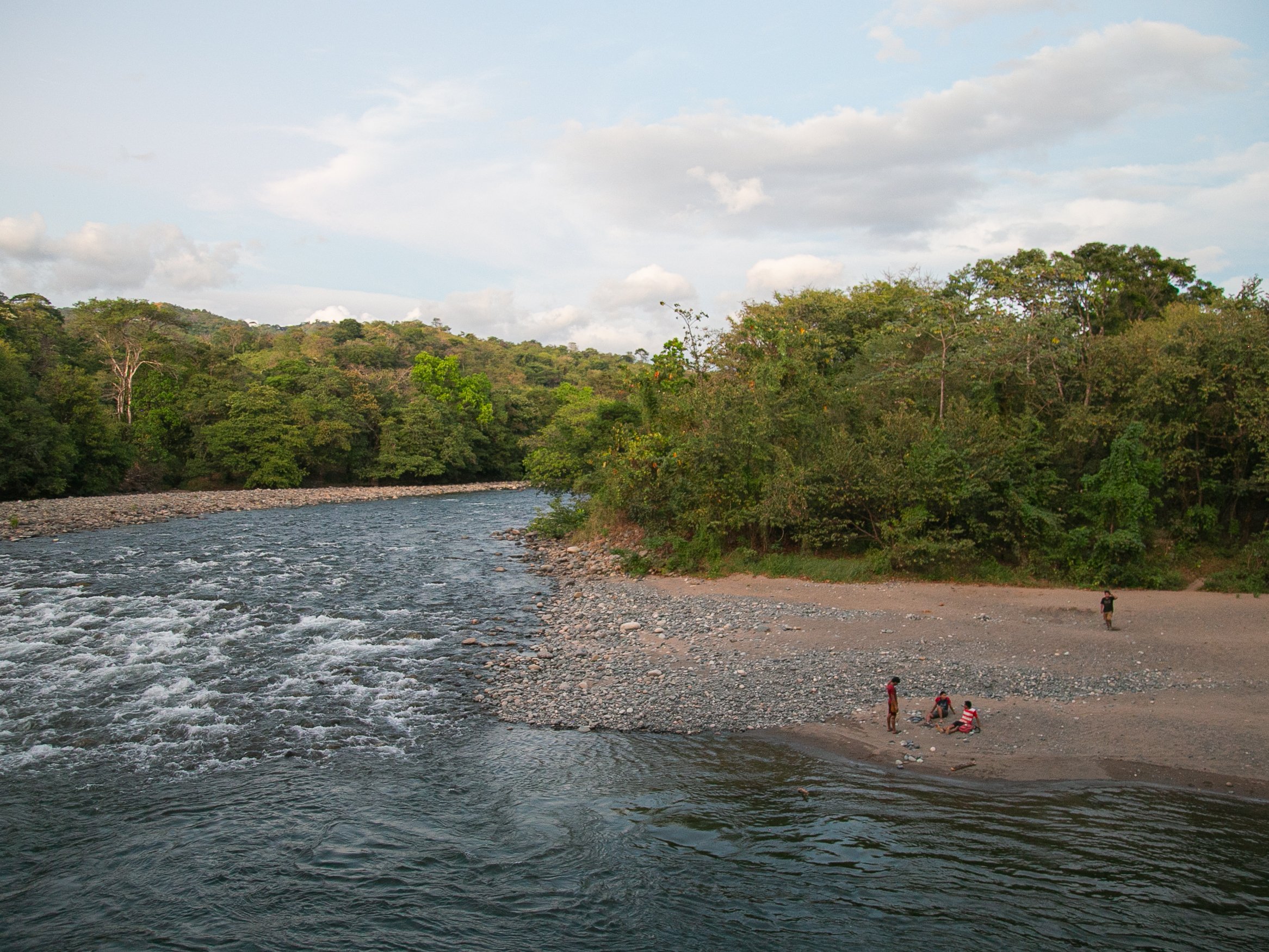
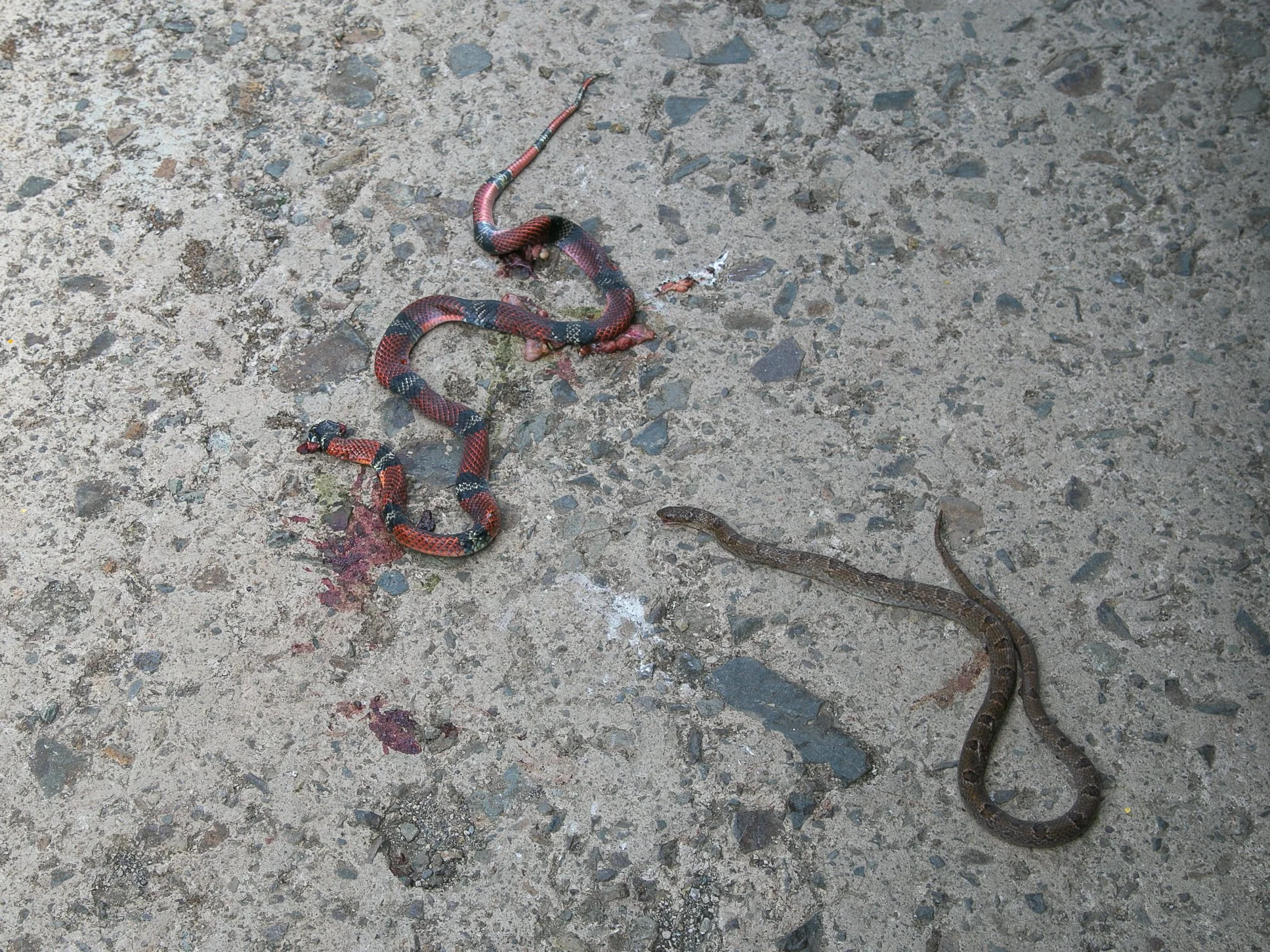
For the Ngäbe, Panama’s largest Indigenous group, water is origin, memory, and a living presence that connects people to their ancestors and the land. In Ngäbe cosmology, Magatdä, the great serpent, shaped the world through rivers and mountains. As both creator and destroyer, Magatdä embodies water’s dual nature: it sustains life, carries memory, and continually transforms the landscape.
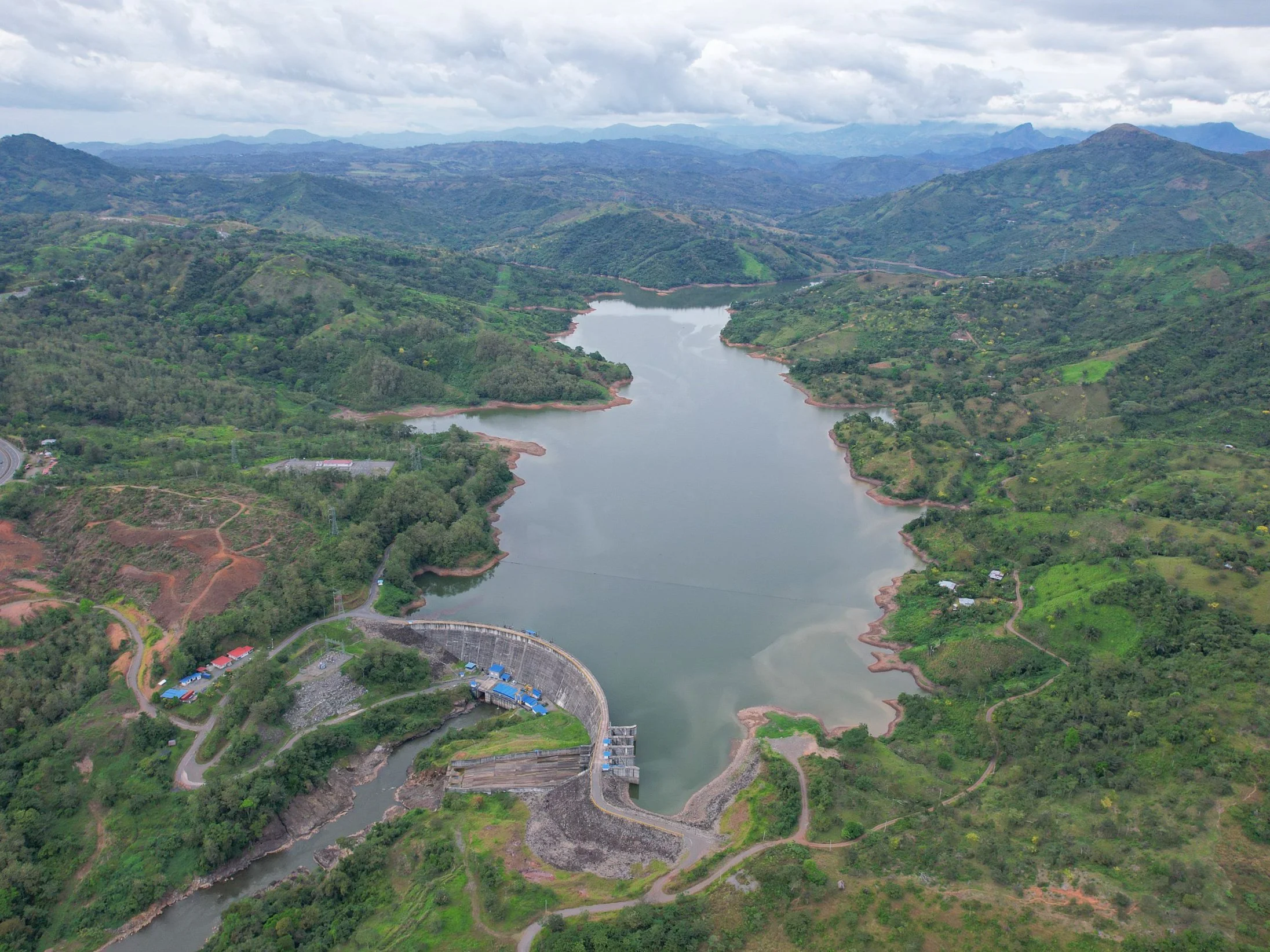
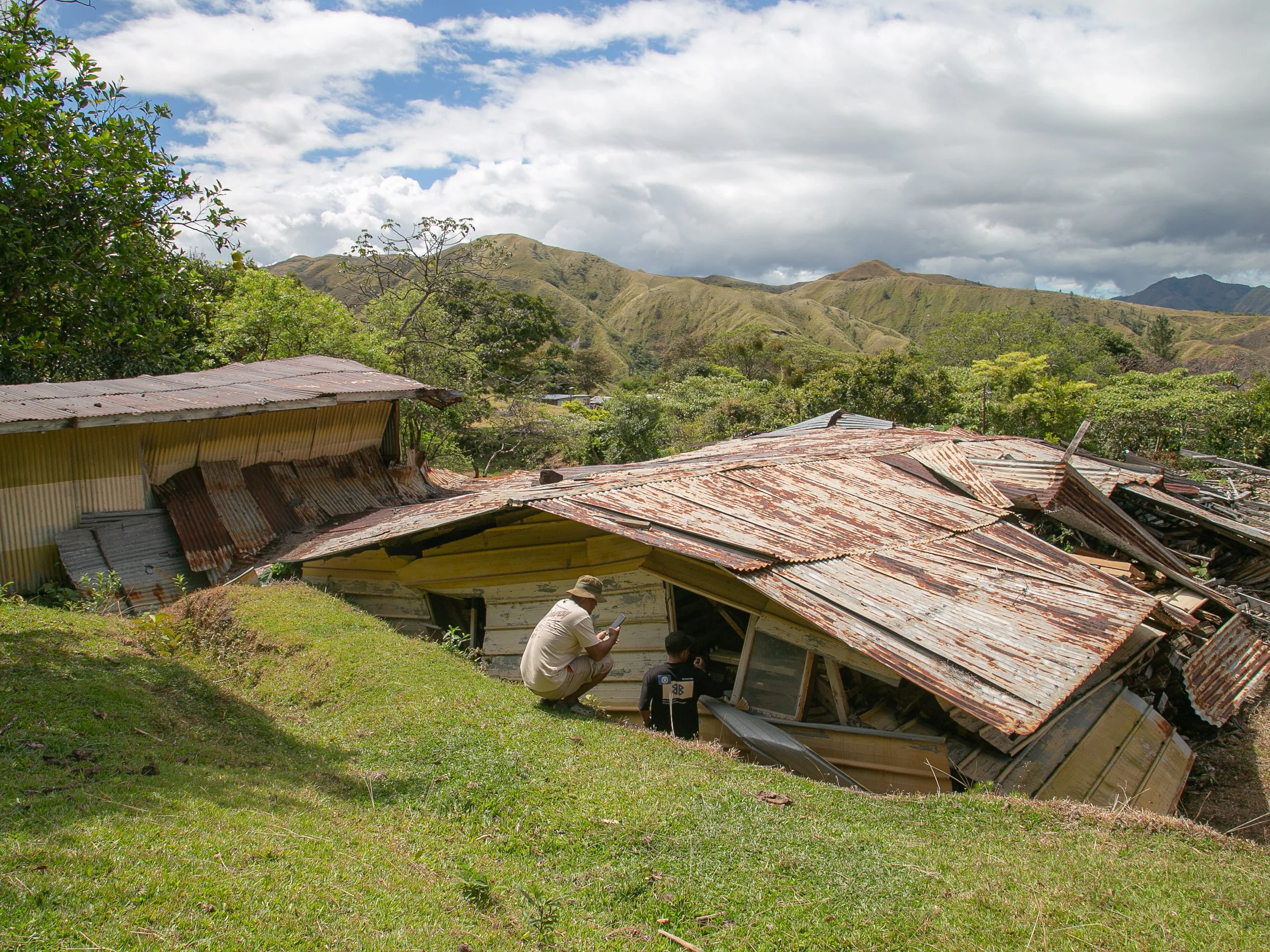
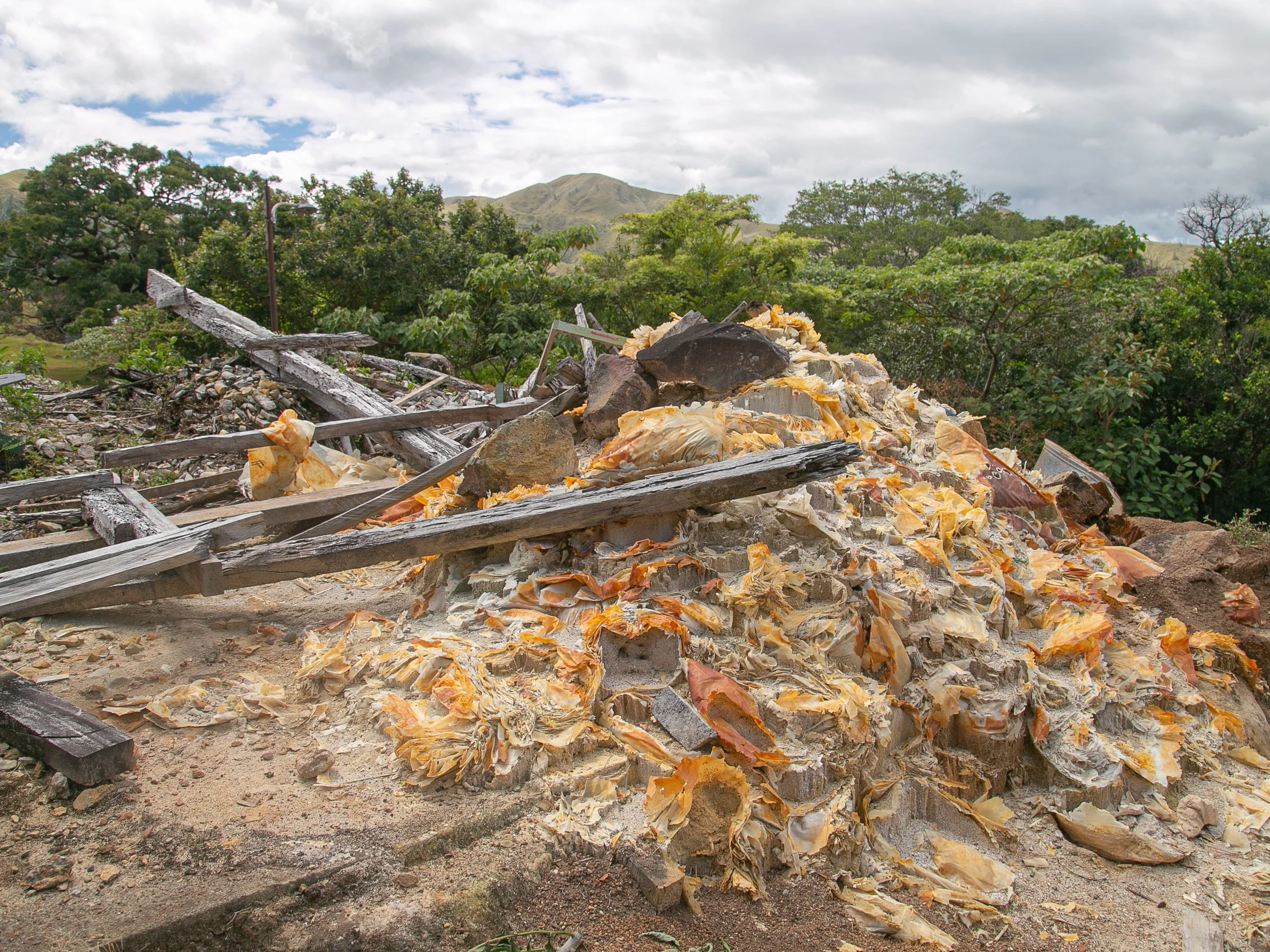
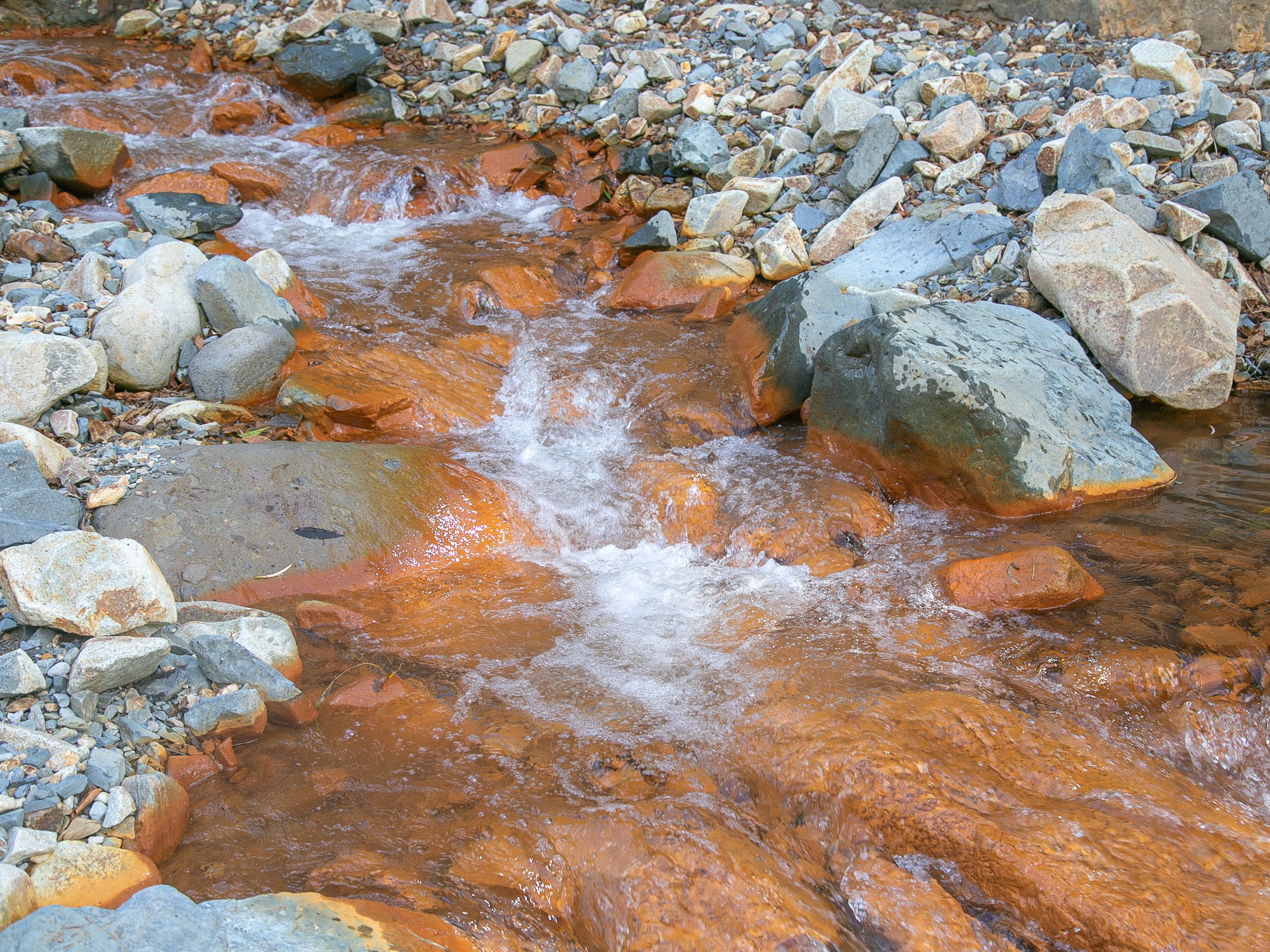
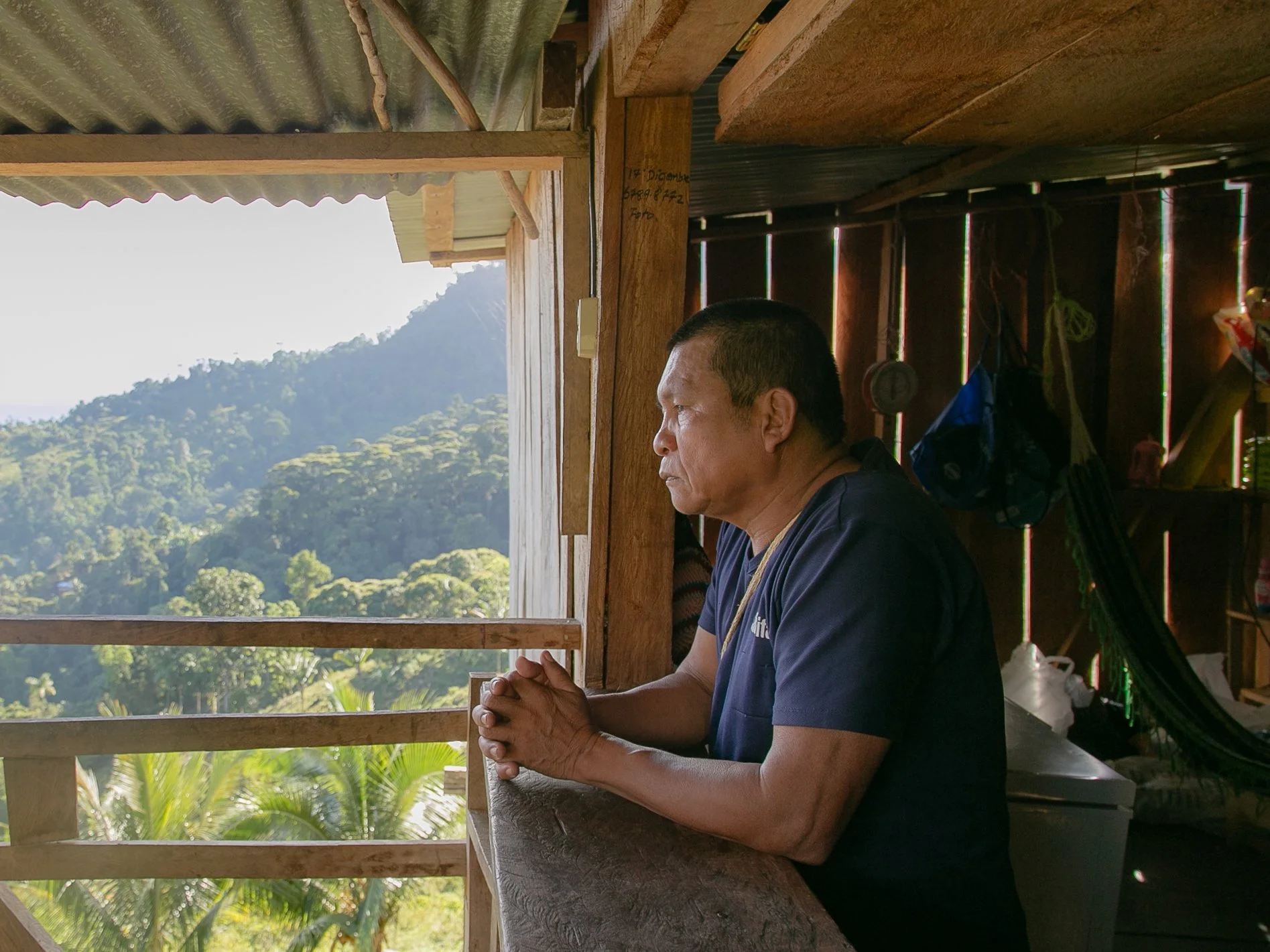
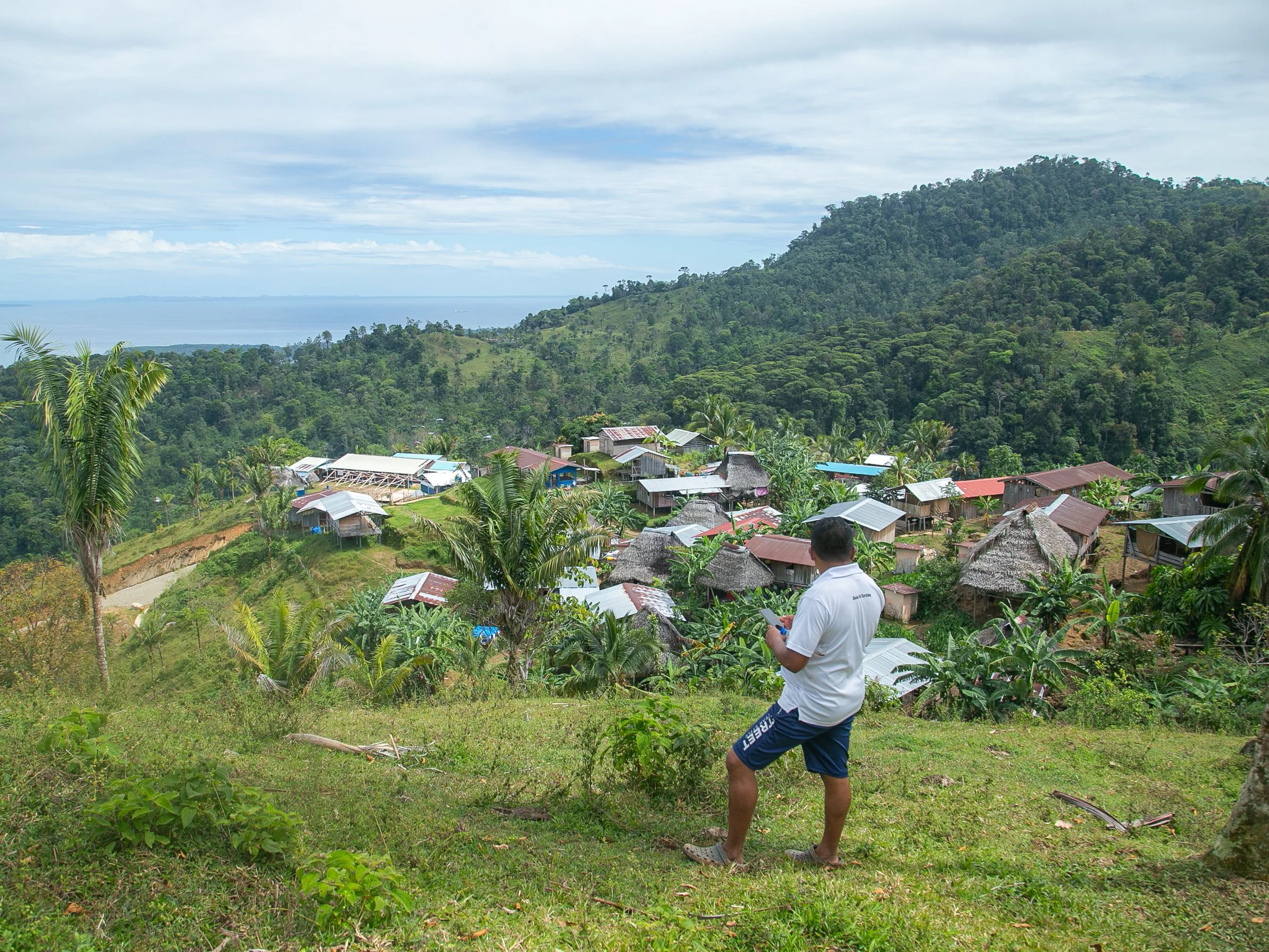
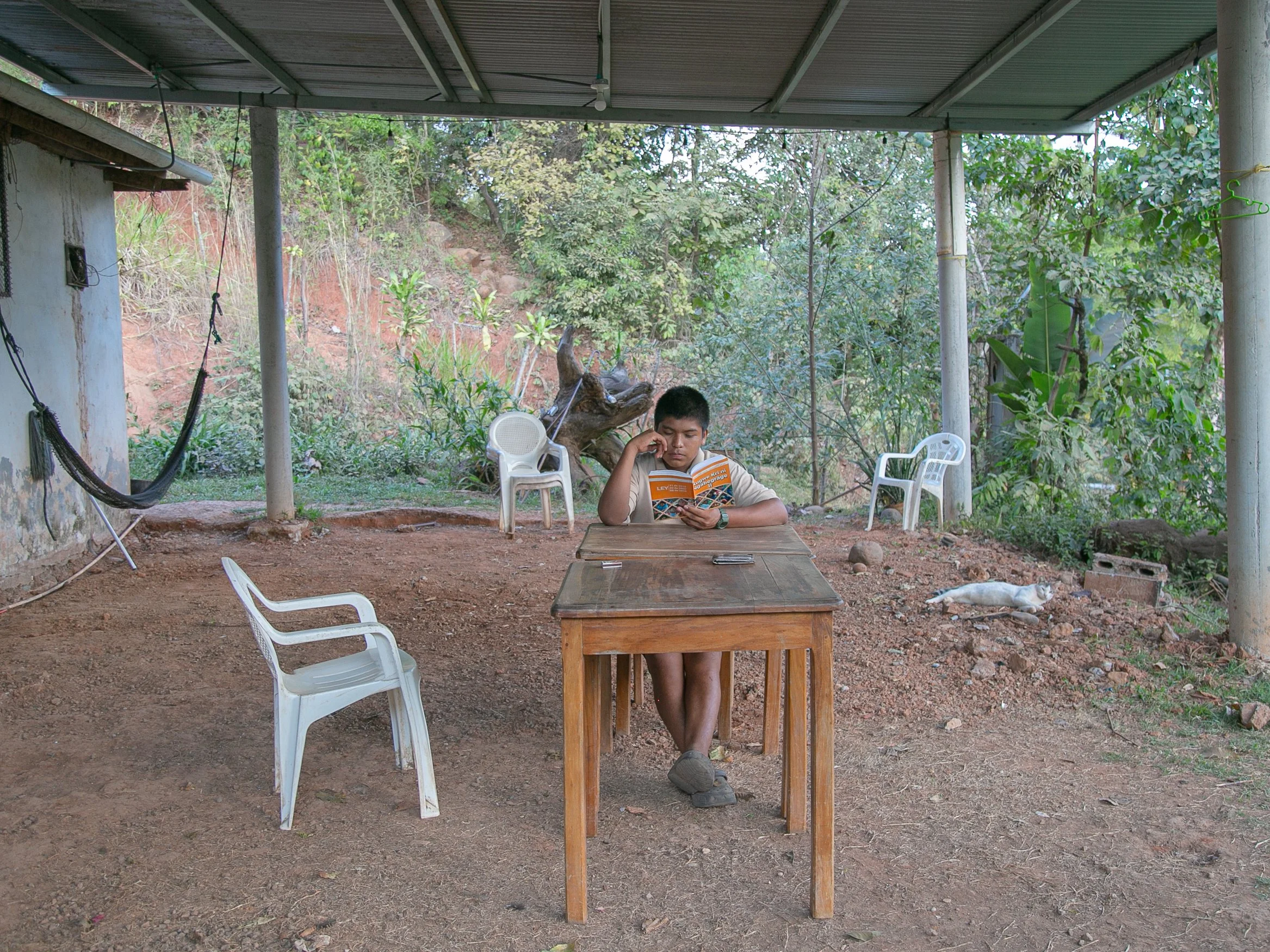
The Ngäbe live in one of the most remote regions of the country, where many communities still have limited access to healthcare, education, electricity, and basic infrastructure. At the same time, their ancestral territory is increasingly shaped by mining and hydroelectric development. Cerro Colorado, one of the world’s largest undeveloped copper deposits, lies within the Ngäbe-Buglé comarca. Efforts to exploit it were halted following sustained Indigenous protests in 2012, yet interest in the deposit persists. The Barro Blanco hydroelectric dam, meanwhile, flooded farmland and sacred sites along the Tabasará River. Panama has yet to ratify ILO Convention 169, which protects Indigenous peoples’ right to free, prior, and informed consent over projects affecting their lands.
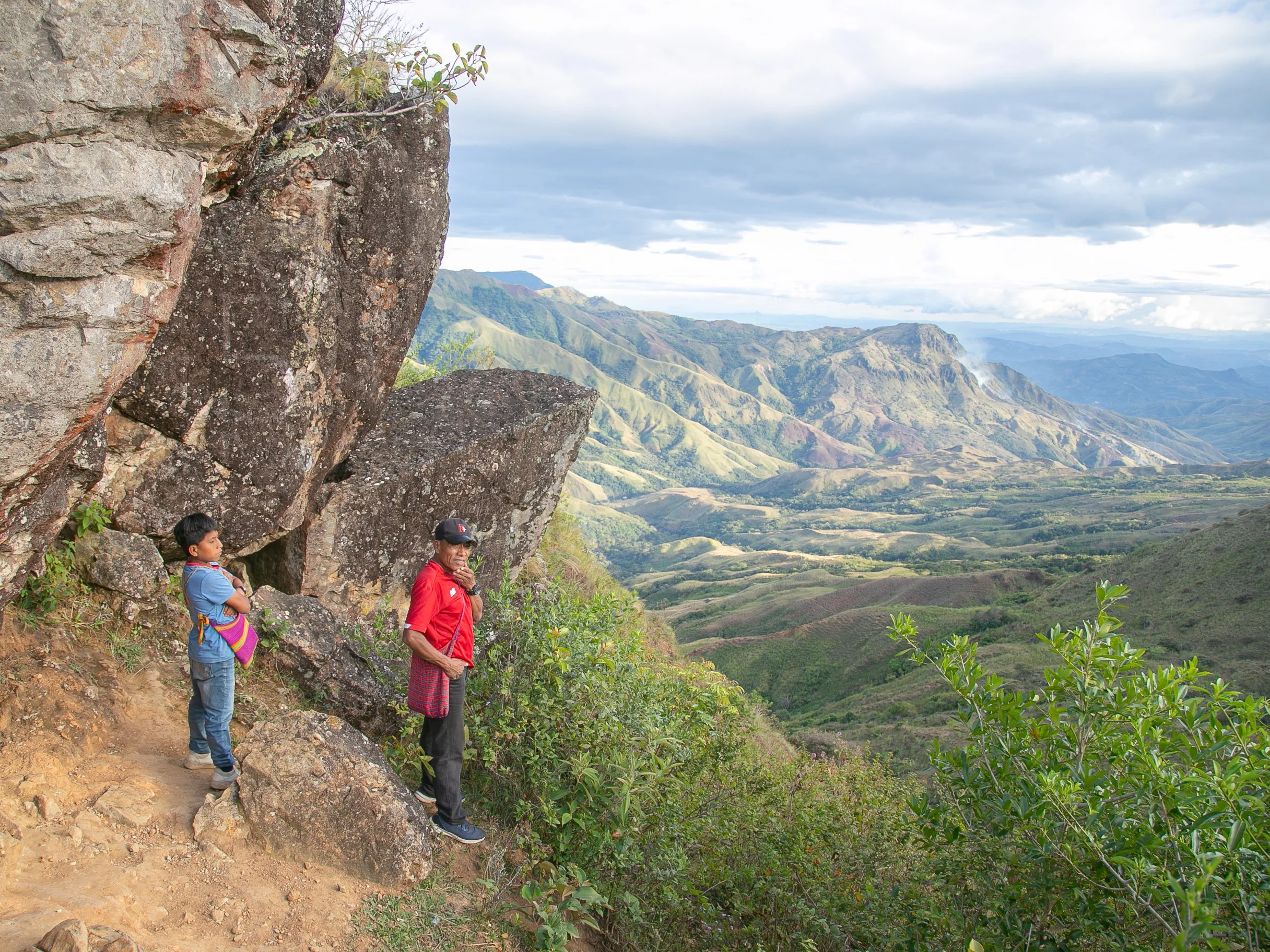
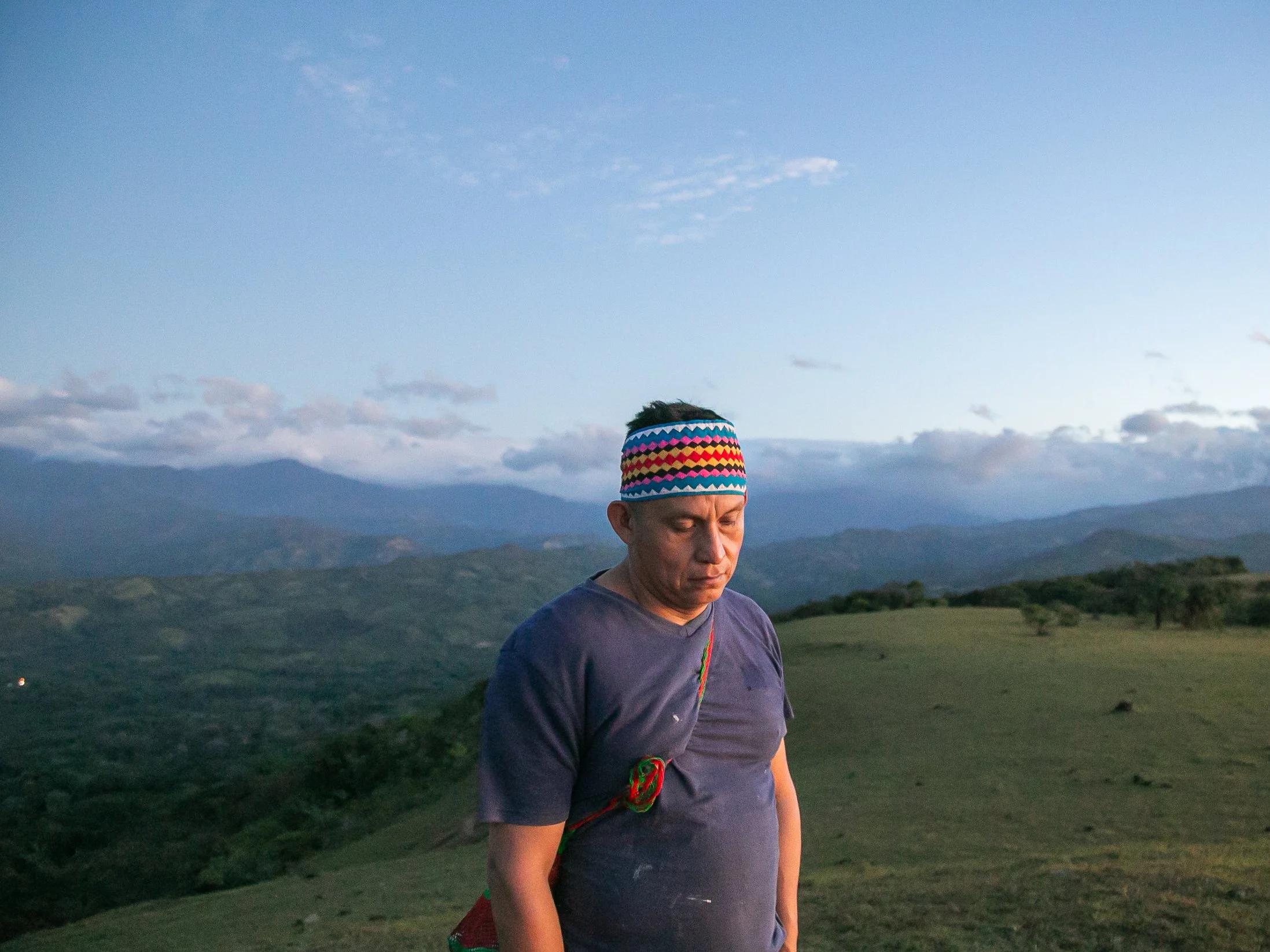
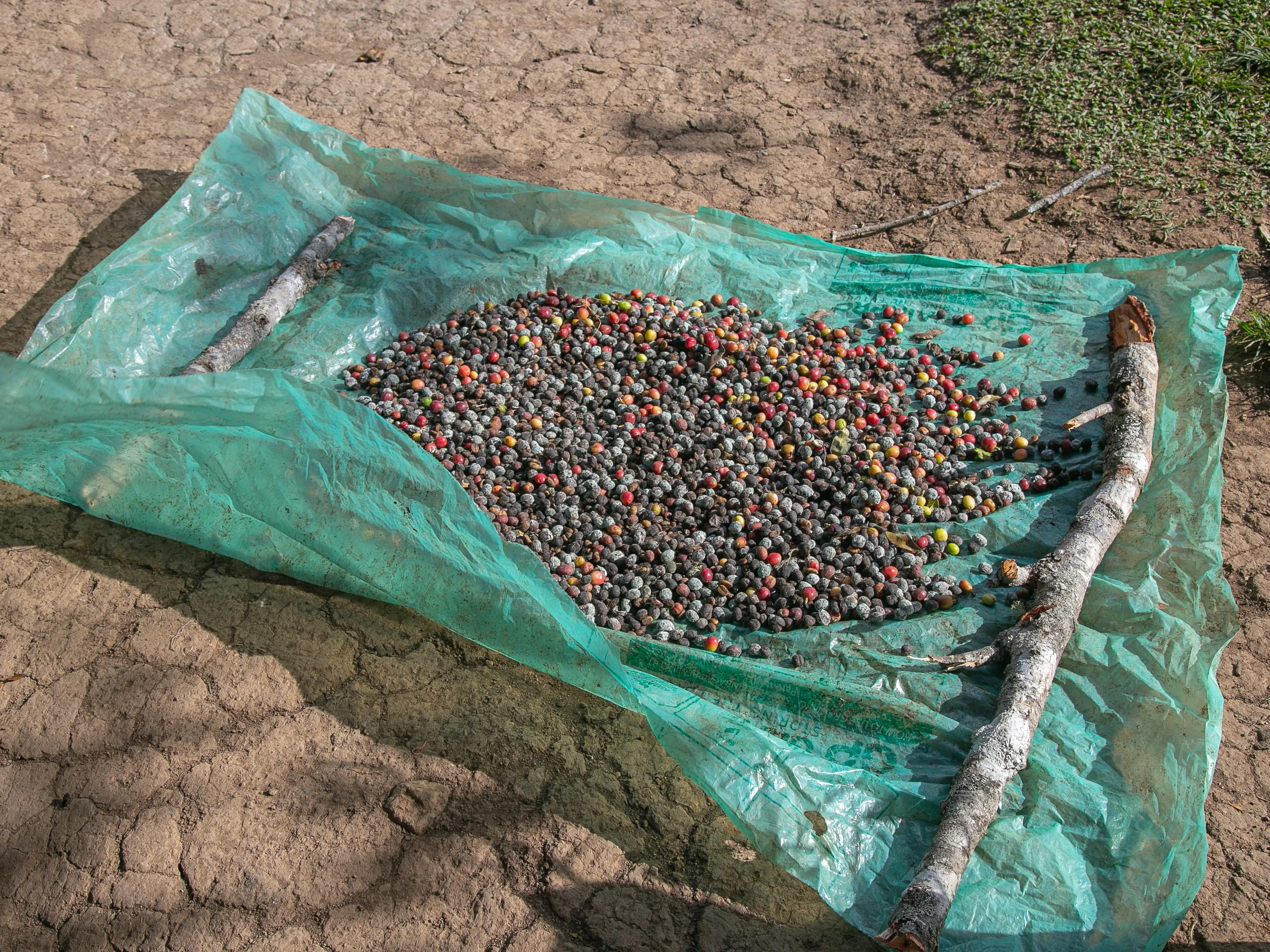
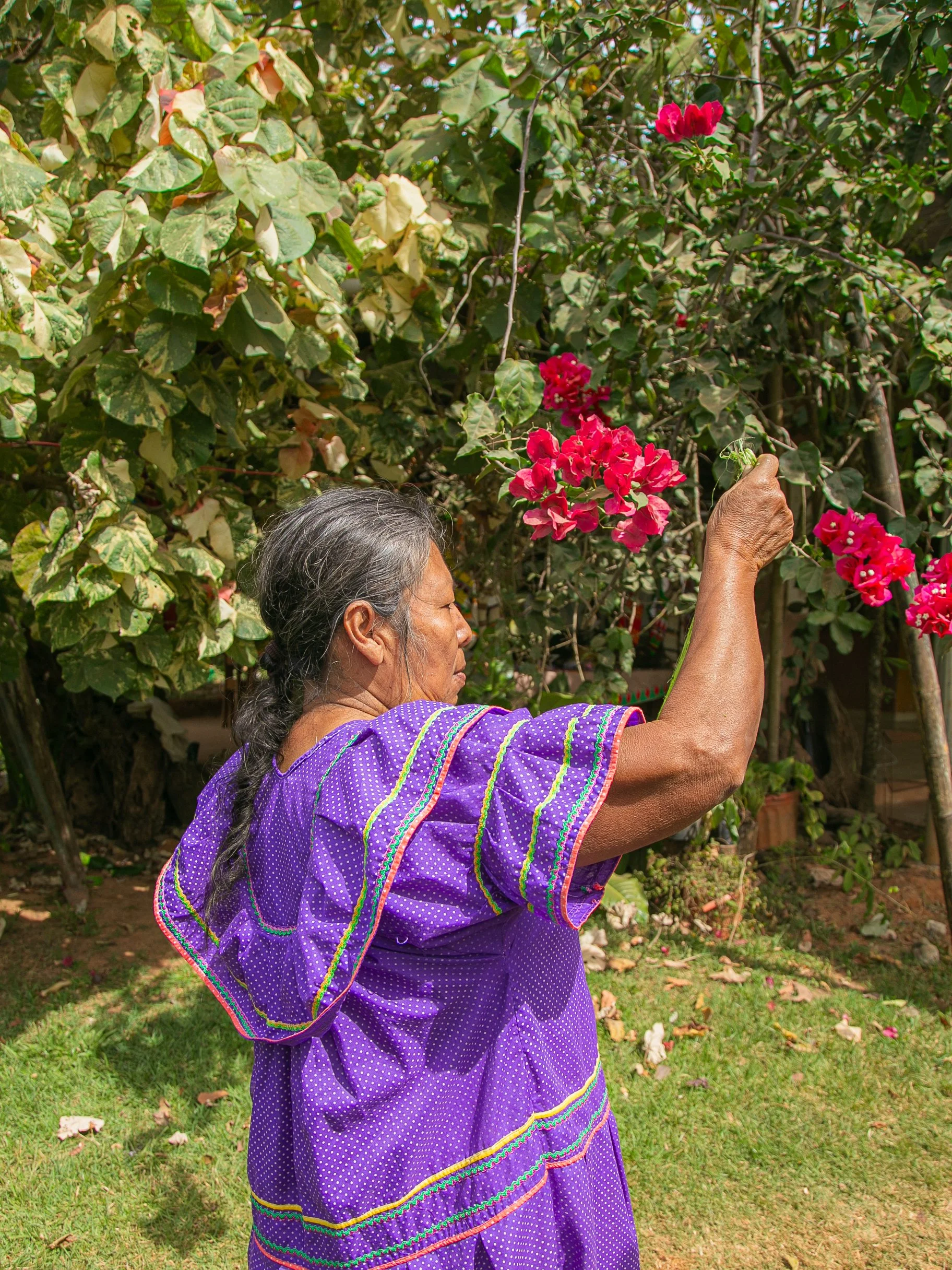
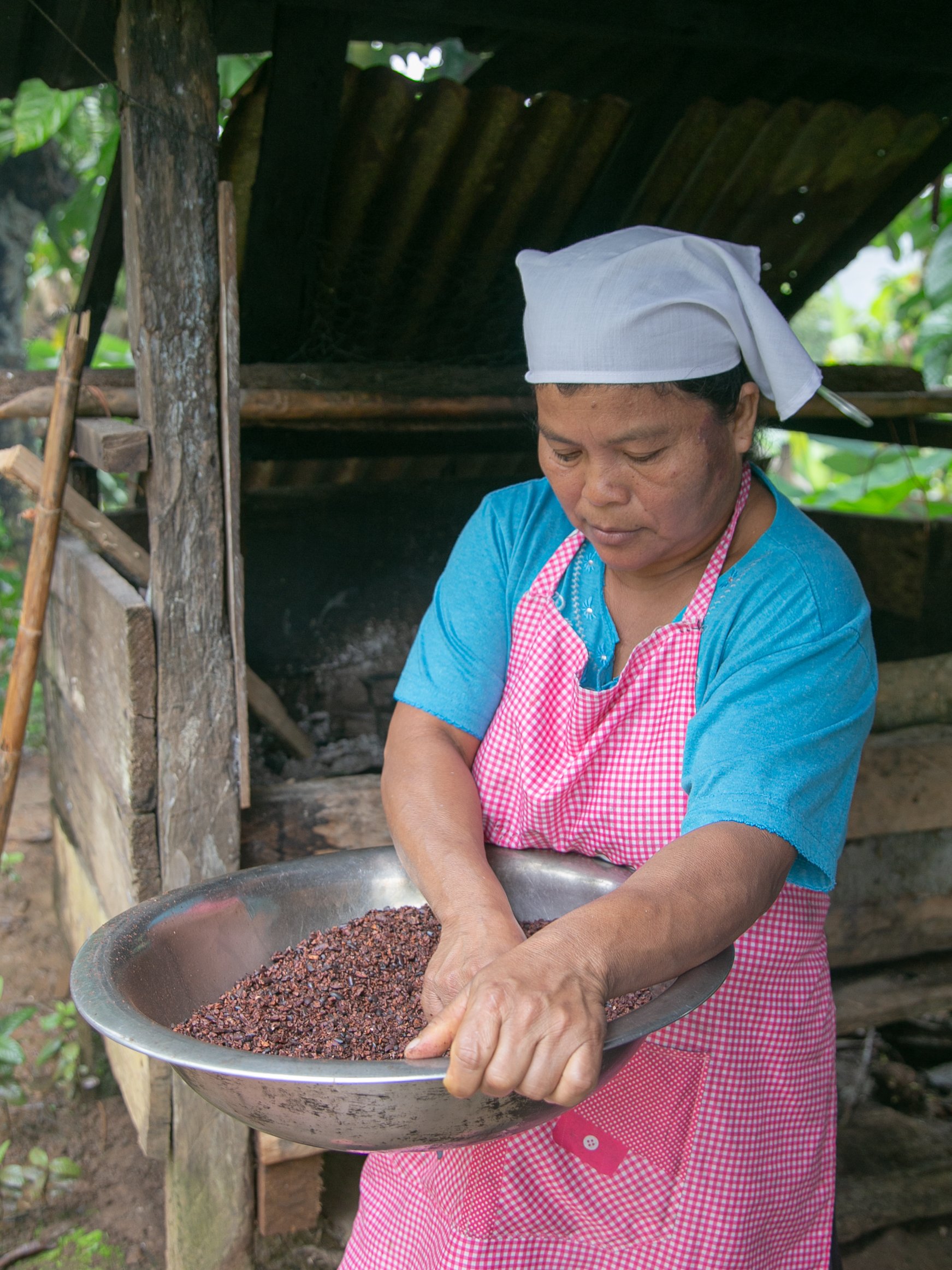
Swimming with Magatdä explores the collision between the Ngäbe’s reciprocal relationship with land and water and an extractive economy driven by global demand. Rivers, forests, and mountains are not simply resources, but keepers of memory, sources of life, and part of a living cultural landscape. Through everyday encounters with the environment, the project traces how ecological knowledge, identity, and collective memory are carried across generations while communities navigate a changing landscape.
At its heart, this is a story of care, resistance, and renewal. Like Magatdä, these forces hold both rupture and creation: they resist erasure while shaping new paths forward. In this space between loss and possibility, water remains: carrying memory, sustaining life, and insisting on continuity.