Rosa de los Vientos, 2025 - ongoing
Rosa de los Vientos (Compass Rose) explores how culture travels, transforms, and creates new forms of belonging across borders.
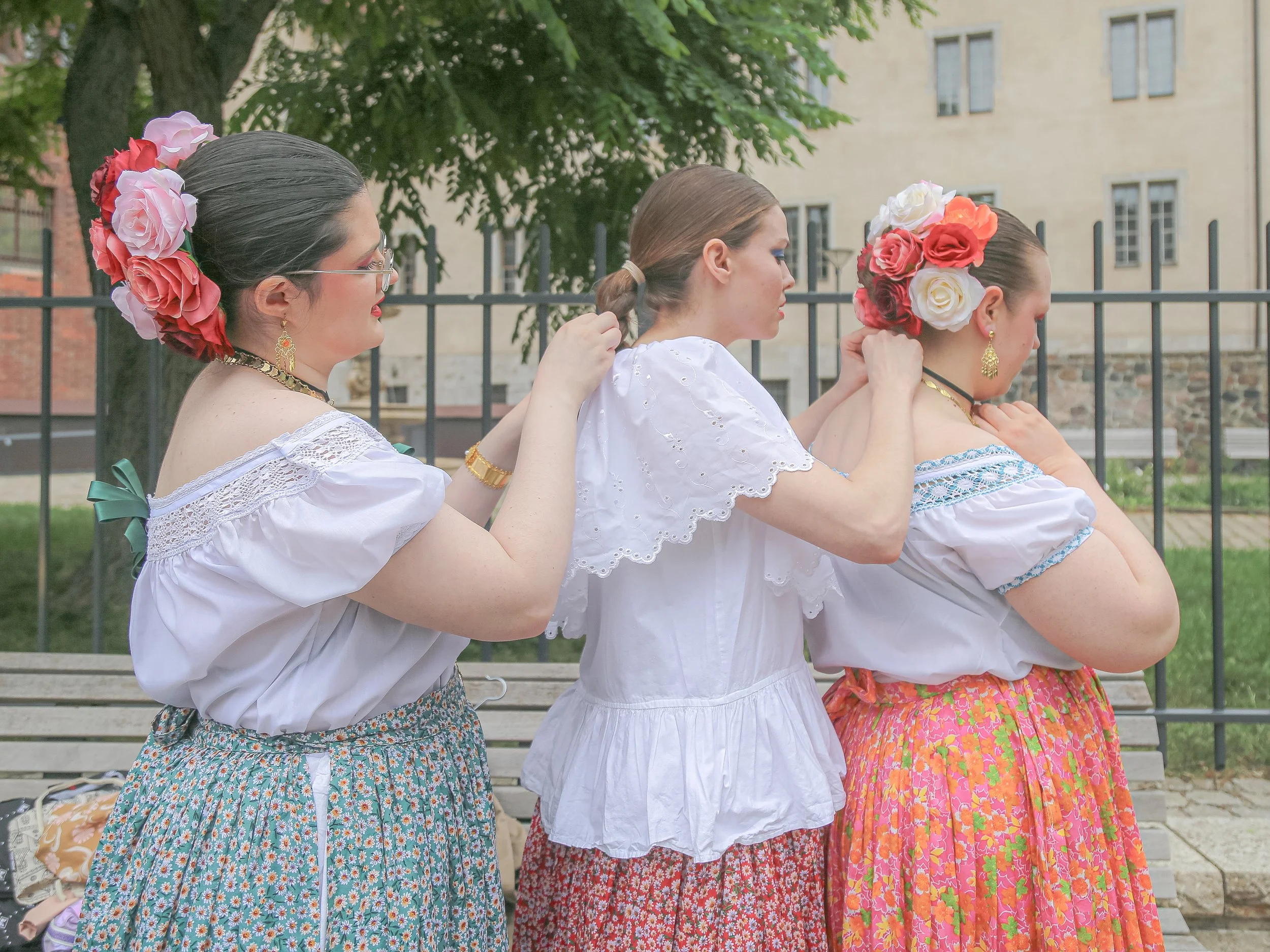
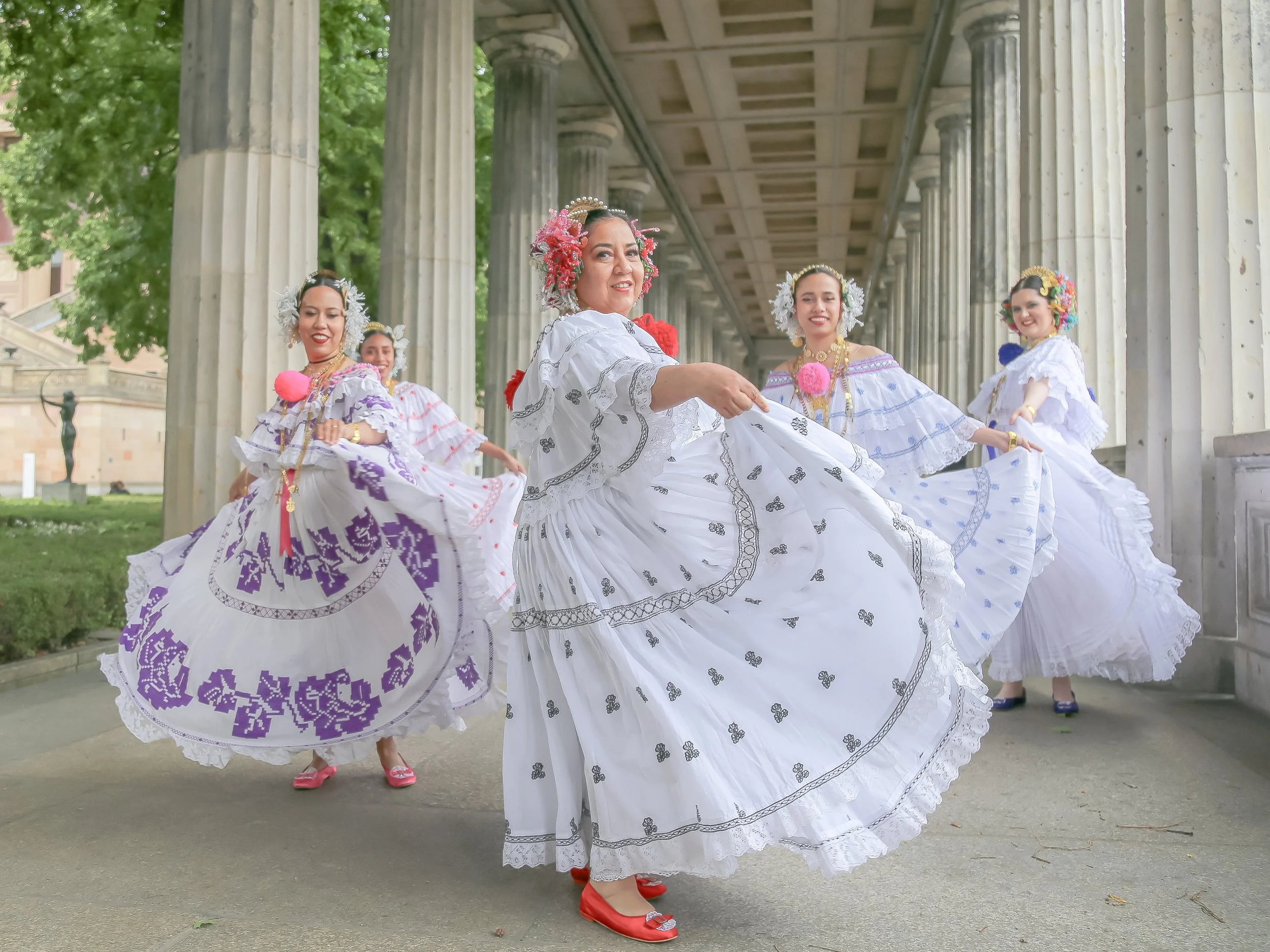
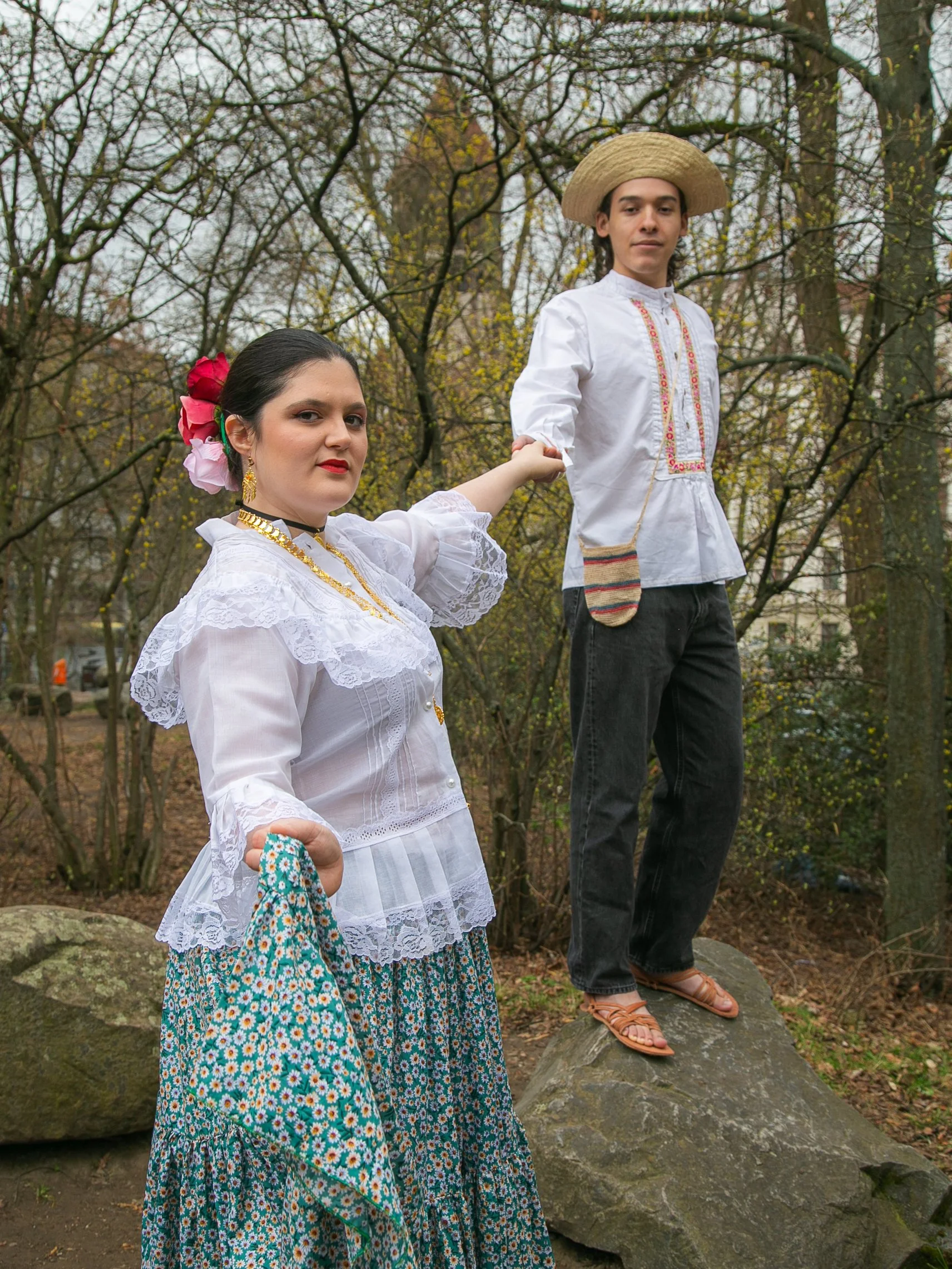
Since 2018, I have been a founding member of Panama Bailes y Tradiciones, a Panamanian folklore group in Berlin, Germany. As both photographer and participant, I photograph from within the community, documenting rehearsals, performances, celebrations, and the intimate moments through which traditions are preserved and reimagined.
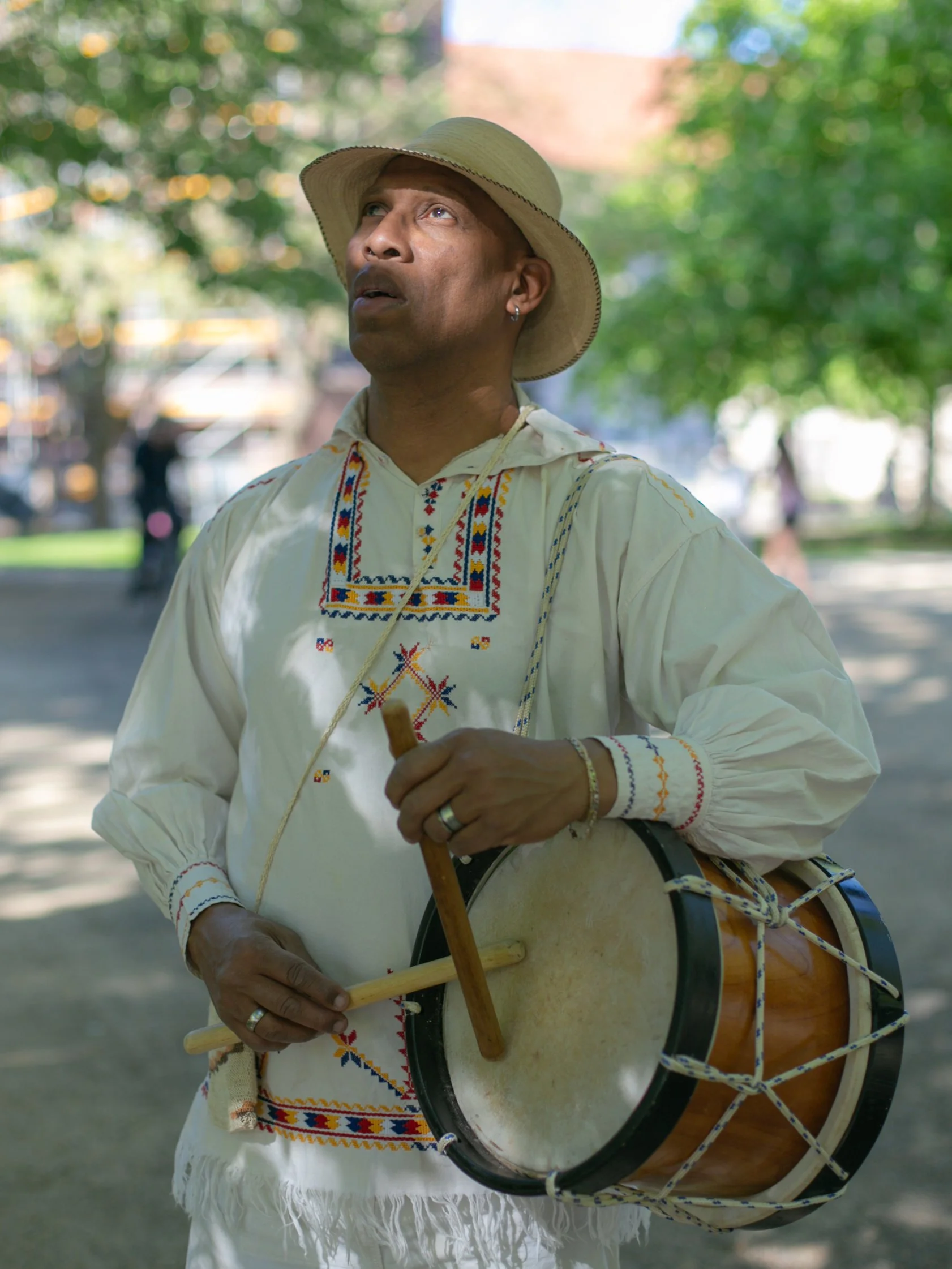
For me, folklore is not a fixed representation of the past, but a living practice through which identity, memory, and belonging are continuously created. Music, dance, traditional costumes and ritual become ways of connecting generations and carrying culture into new places.
The project unfolds in three chapters:
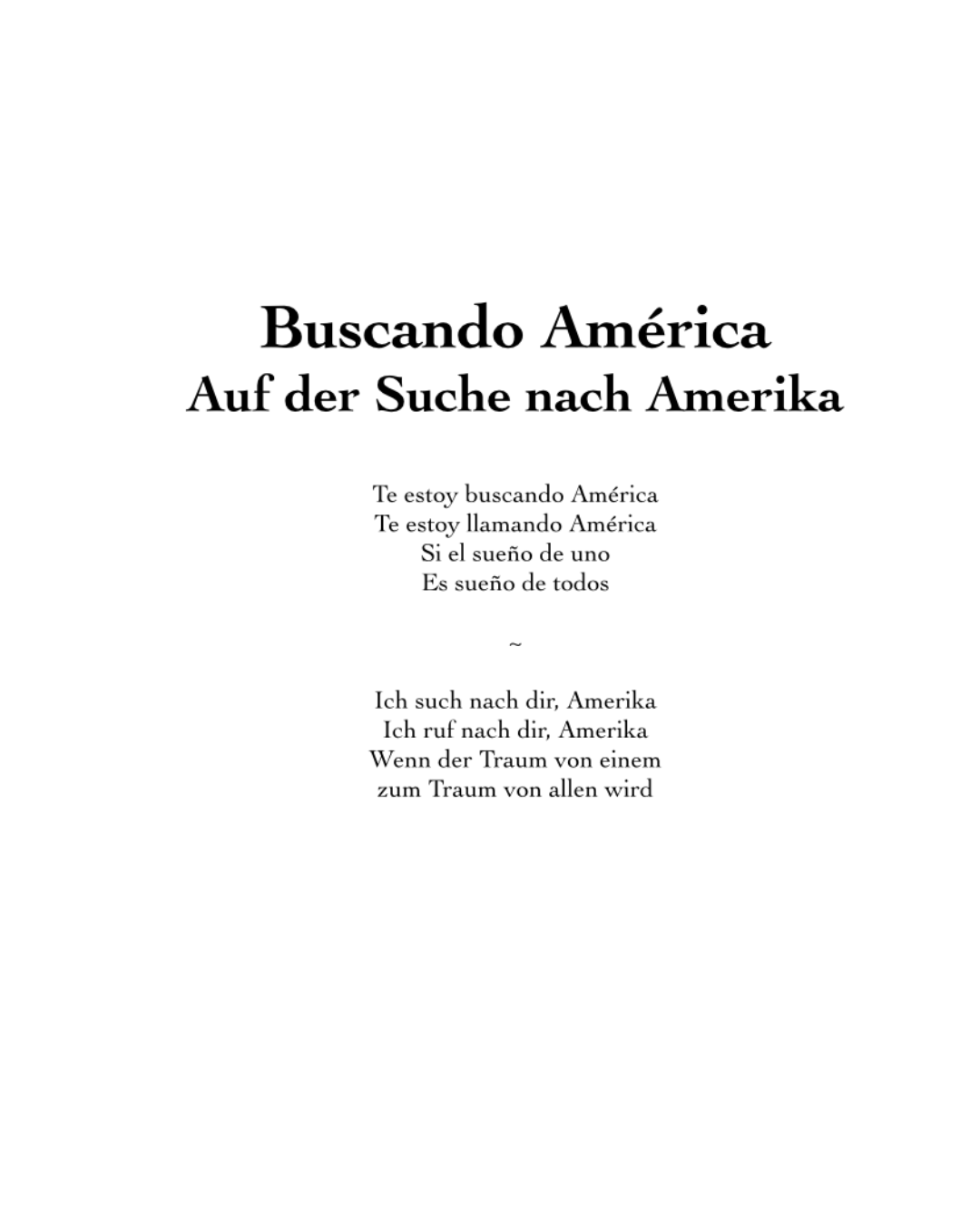
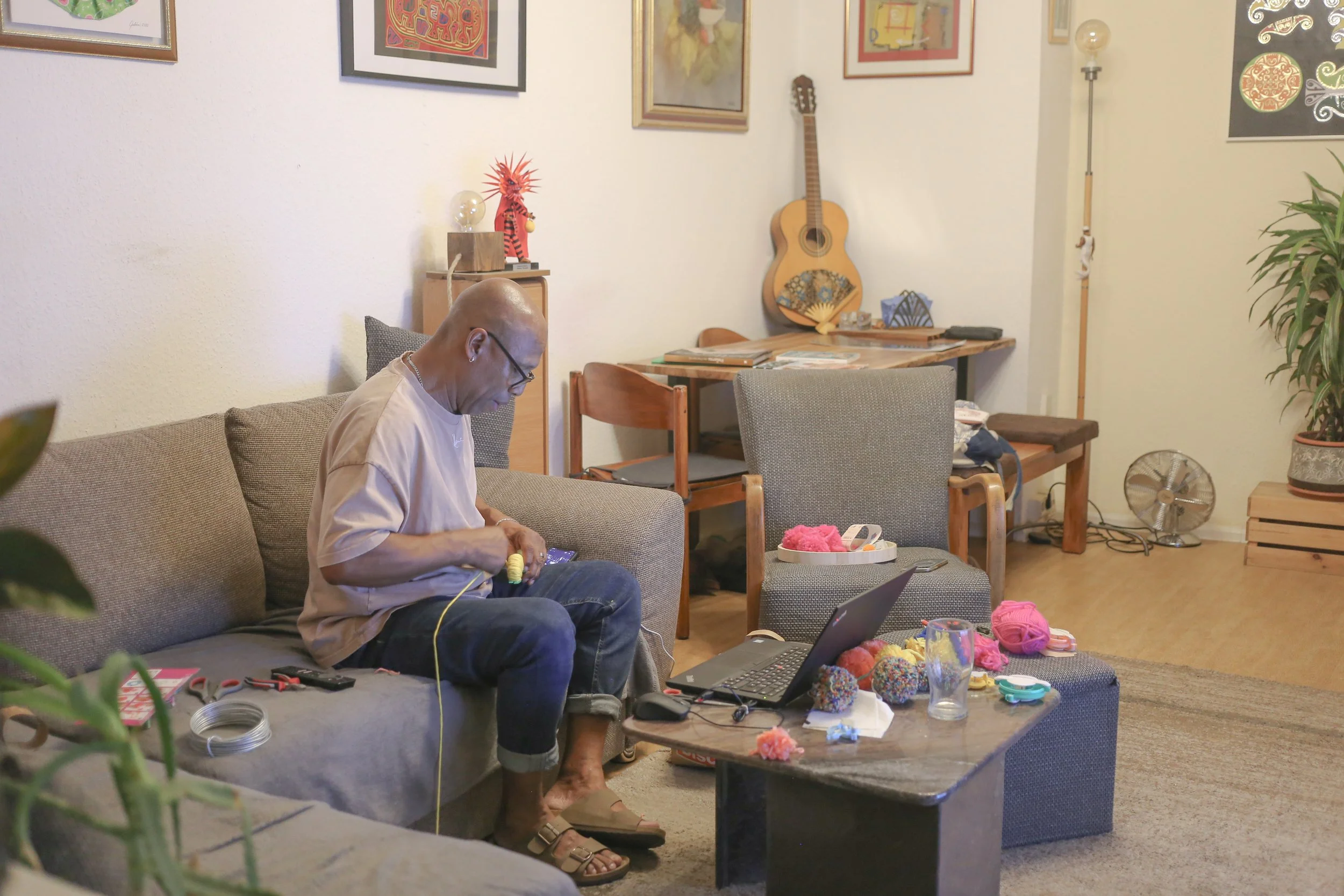
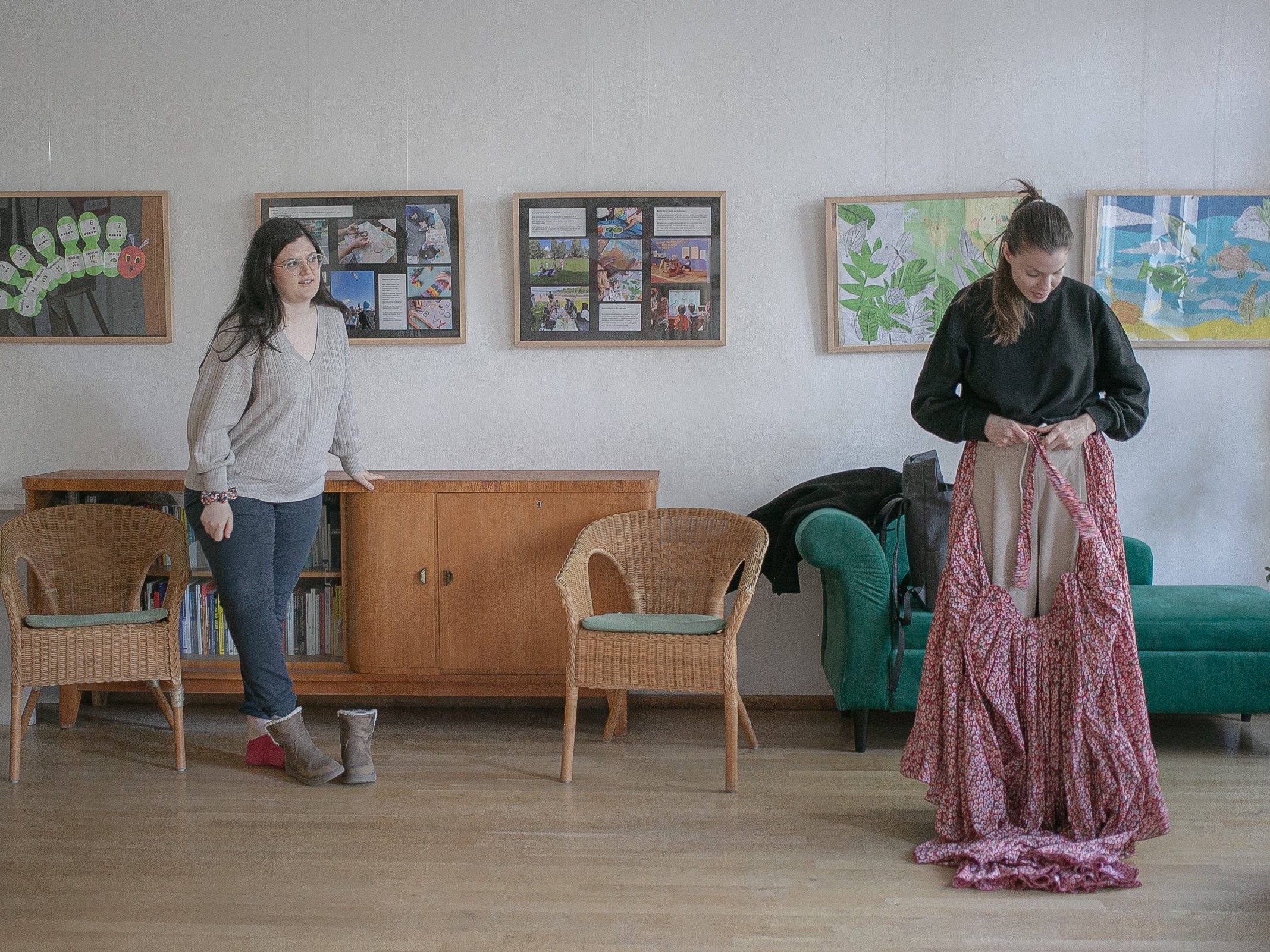
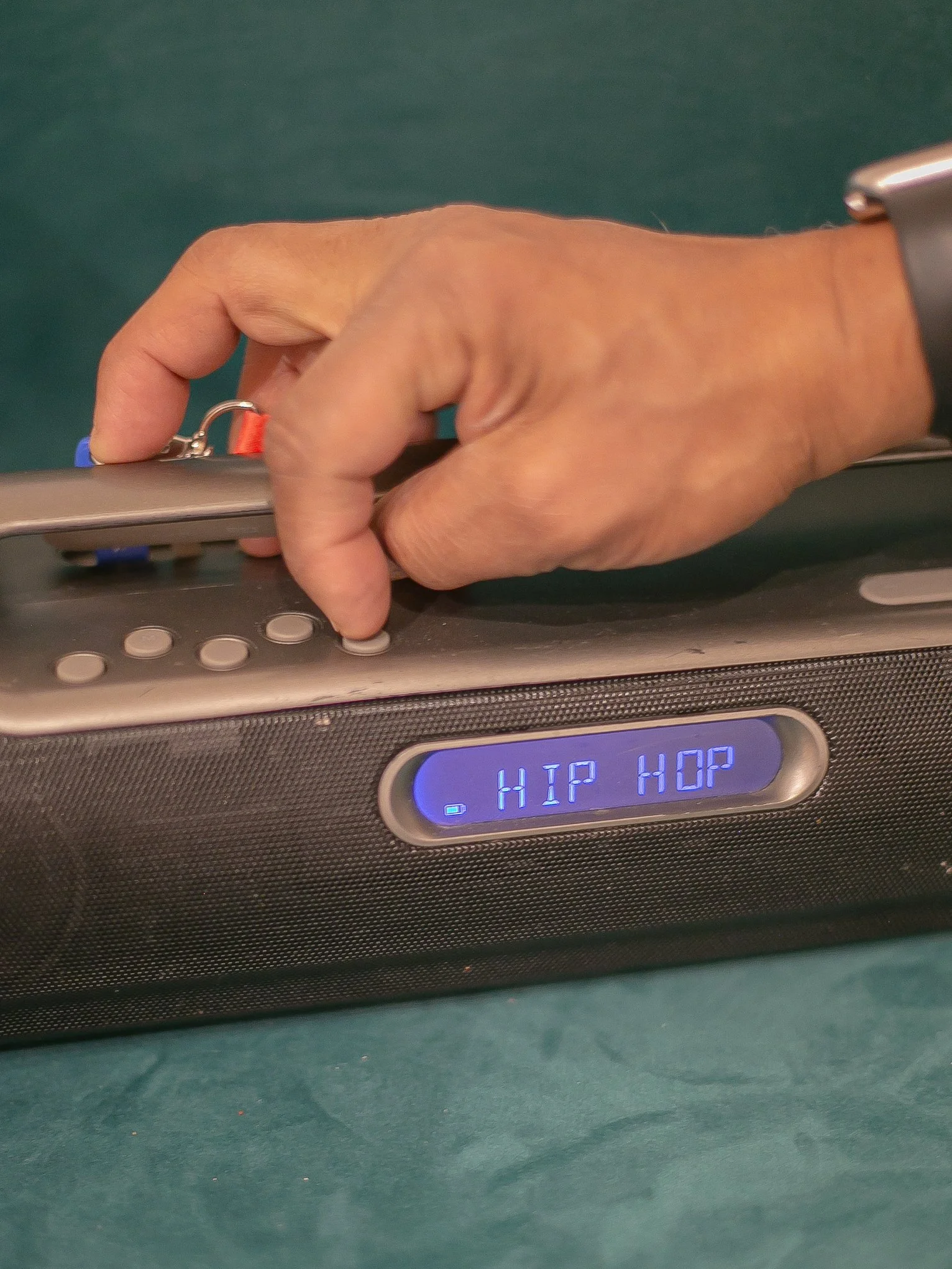
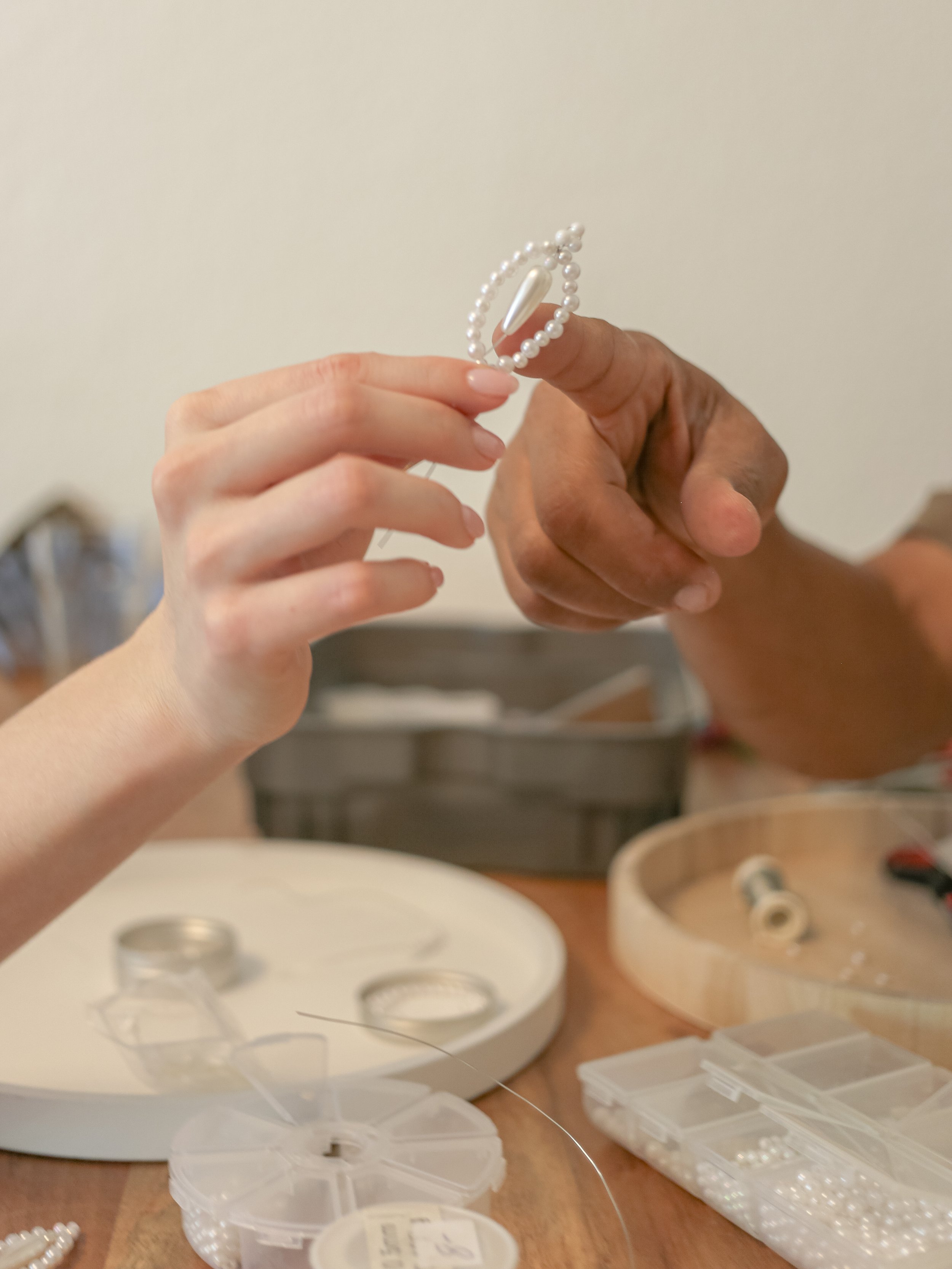
Buscando América documents our folklore group in Berlin and the relationships and collective work that sustain it.
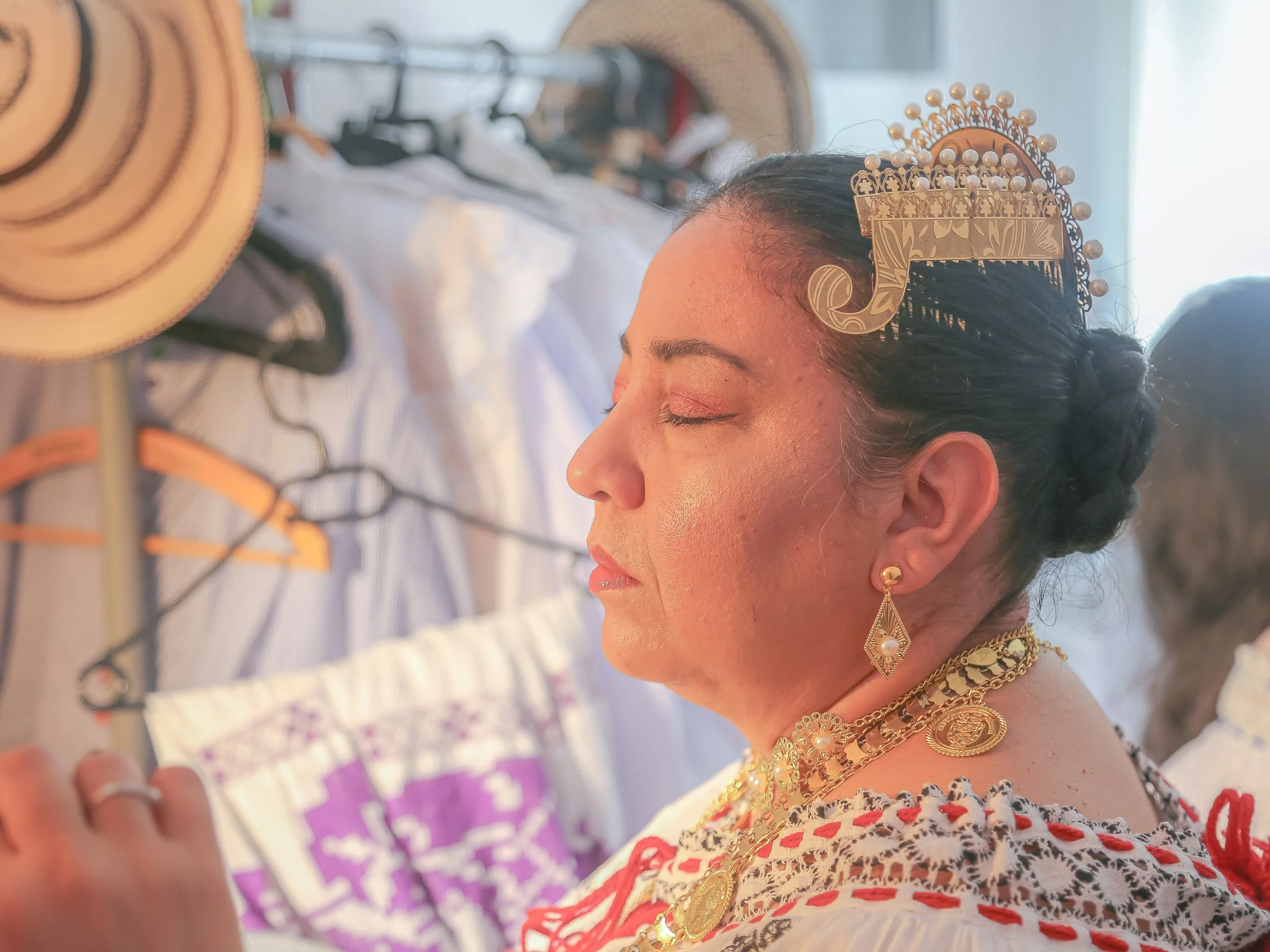
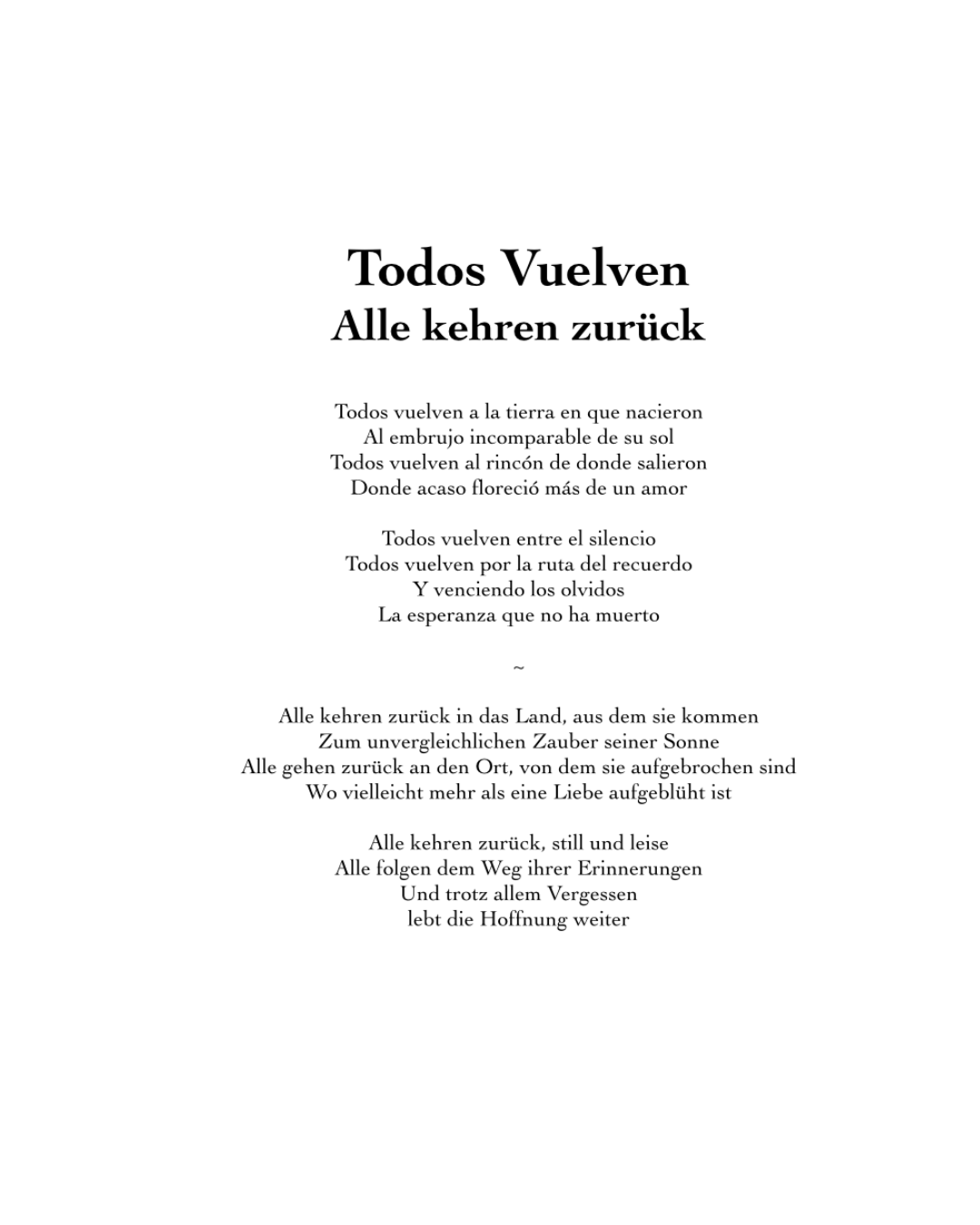
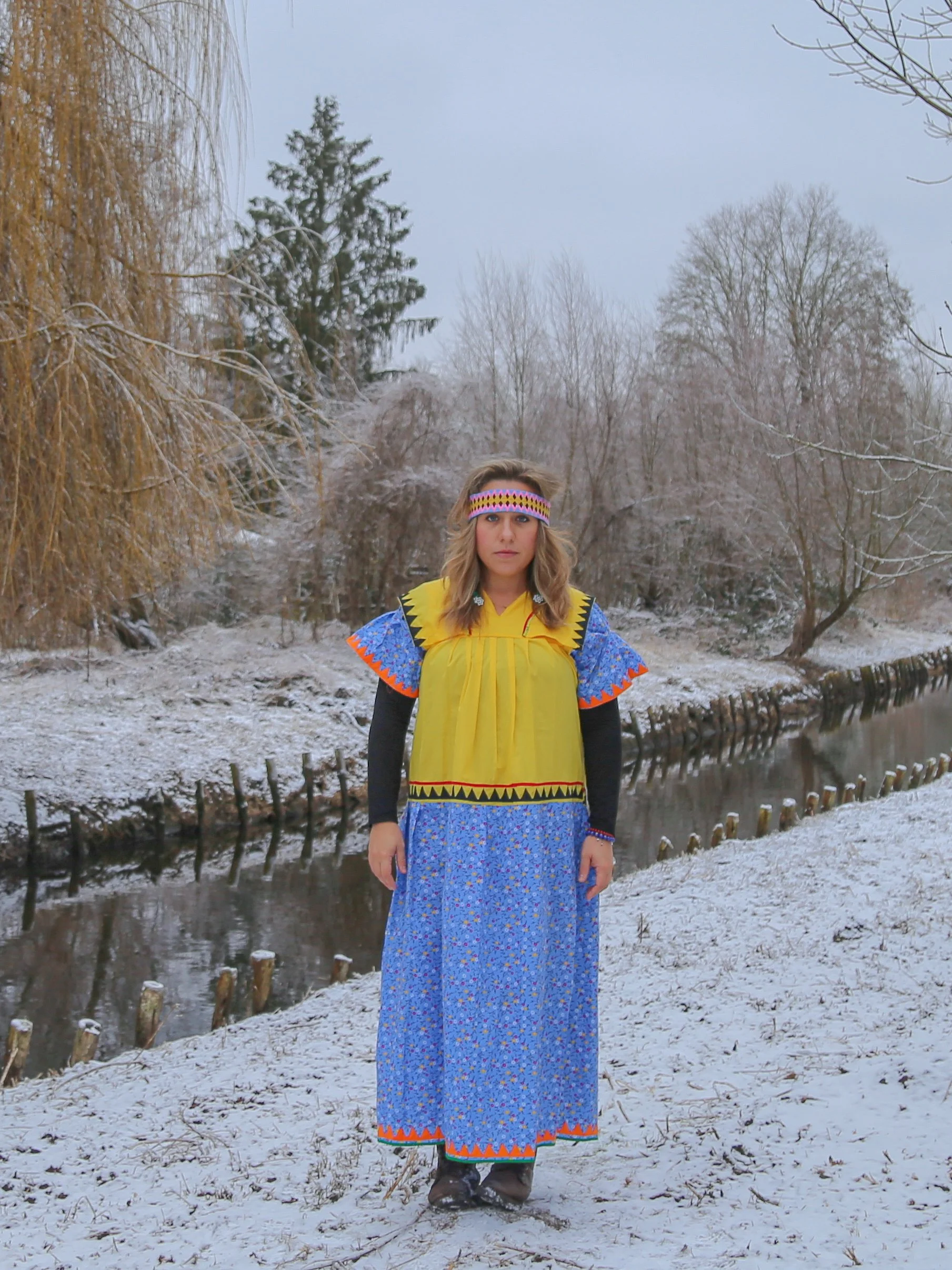
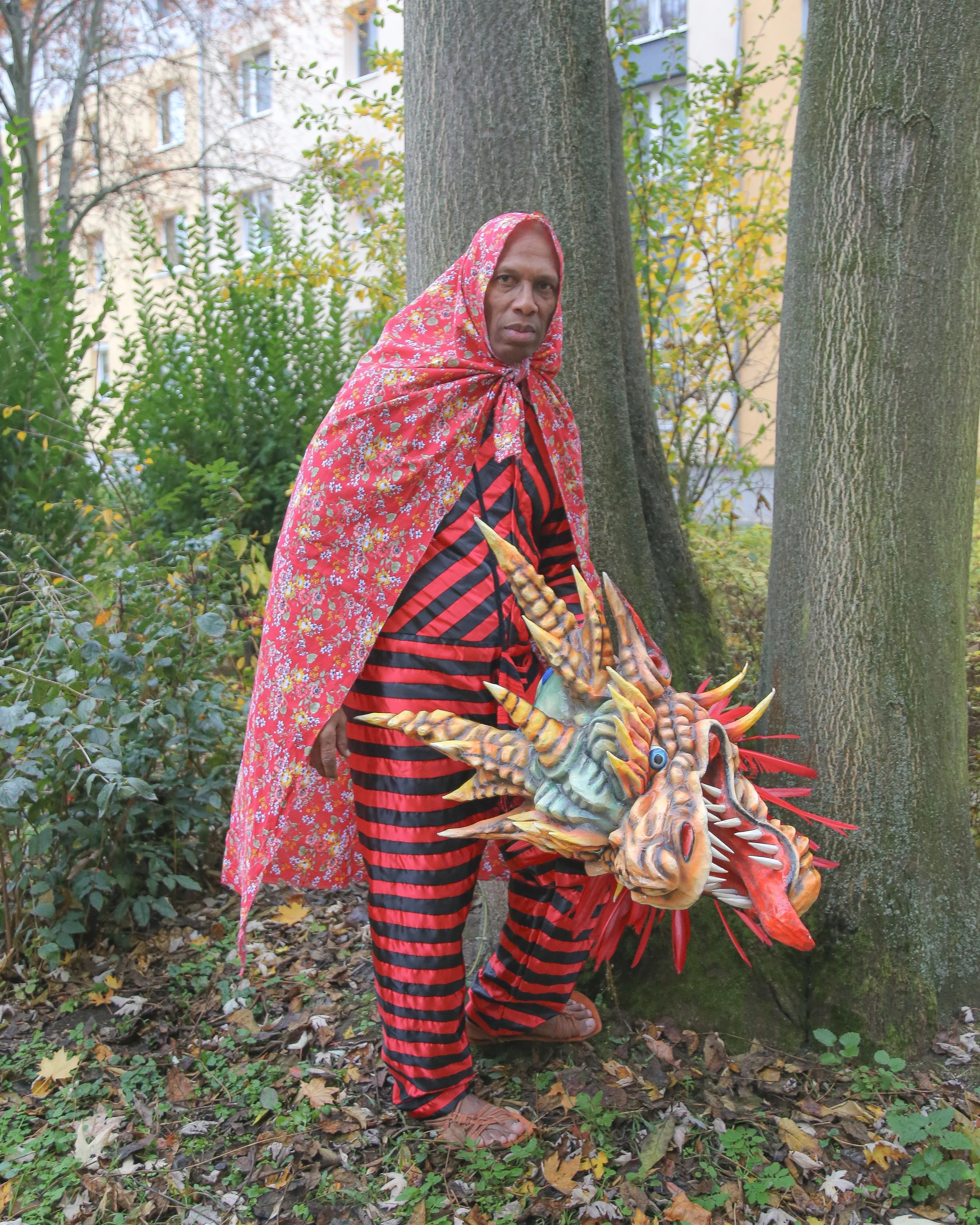
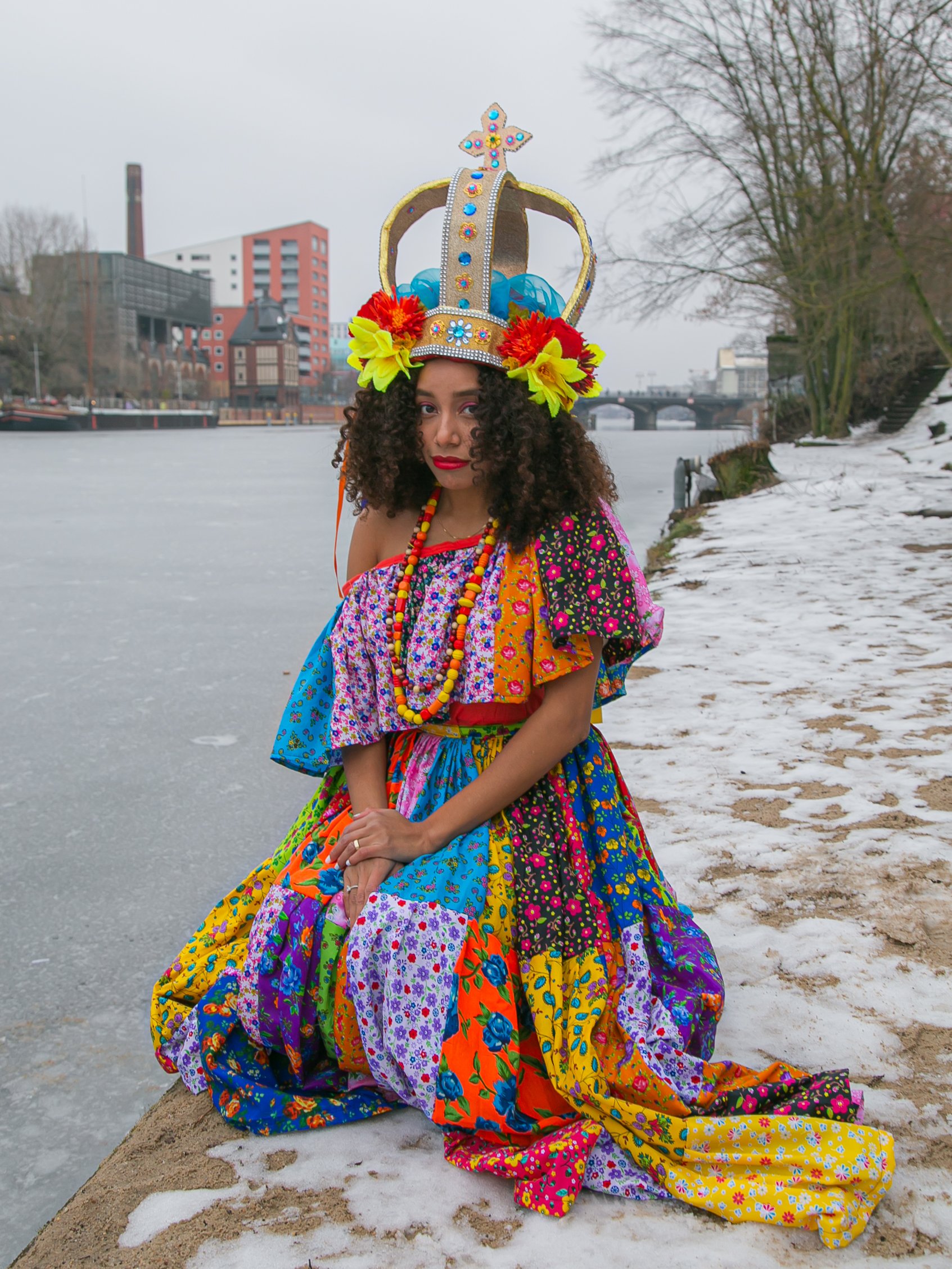
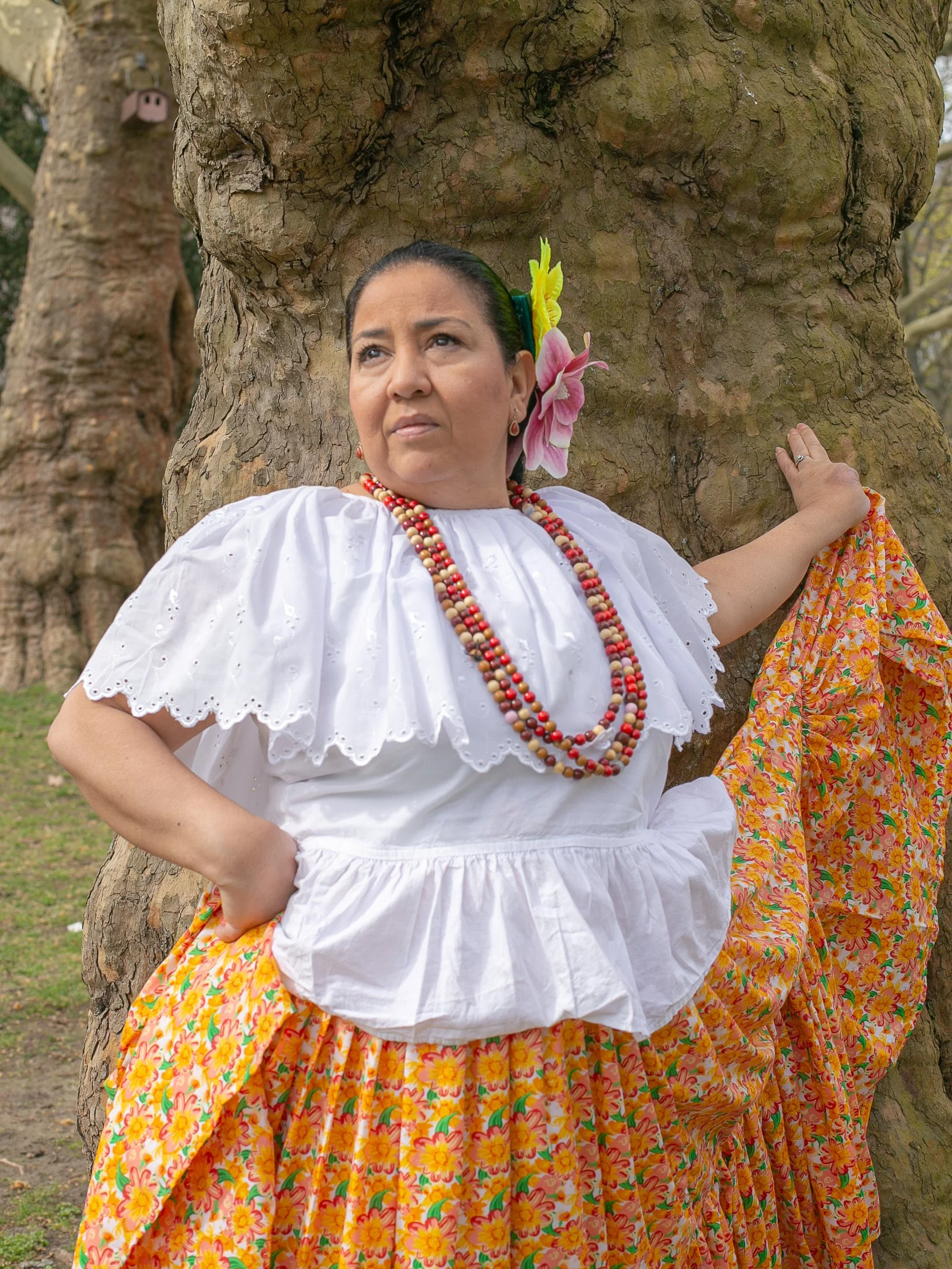
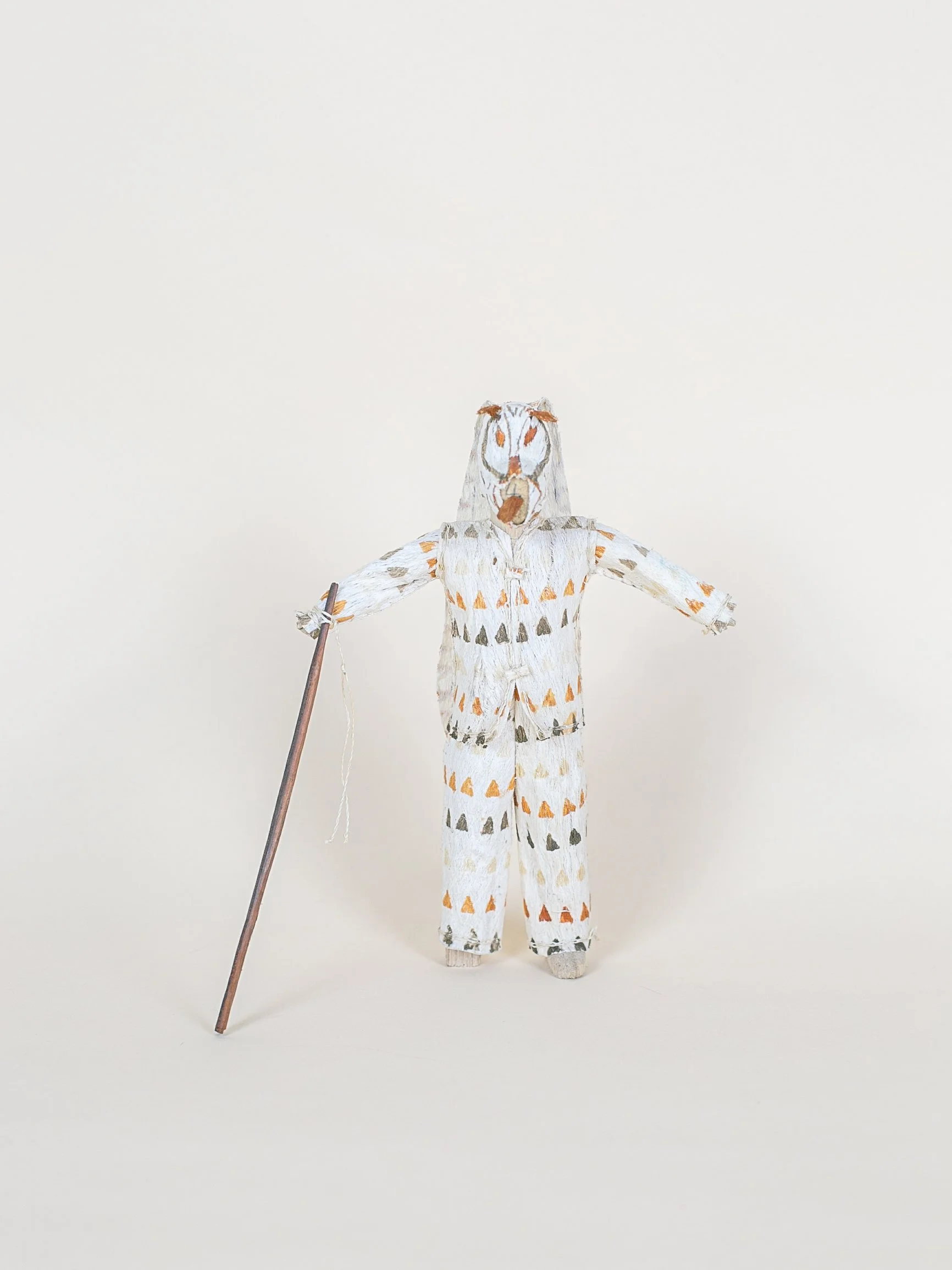
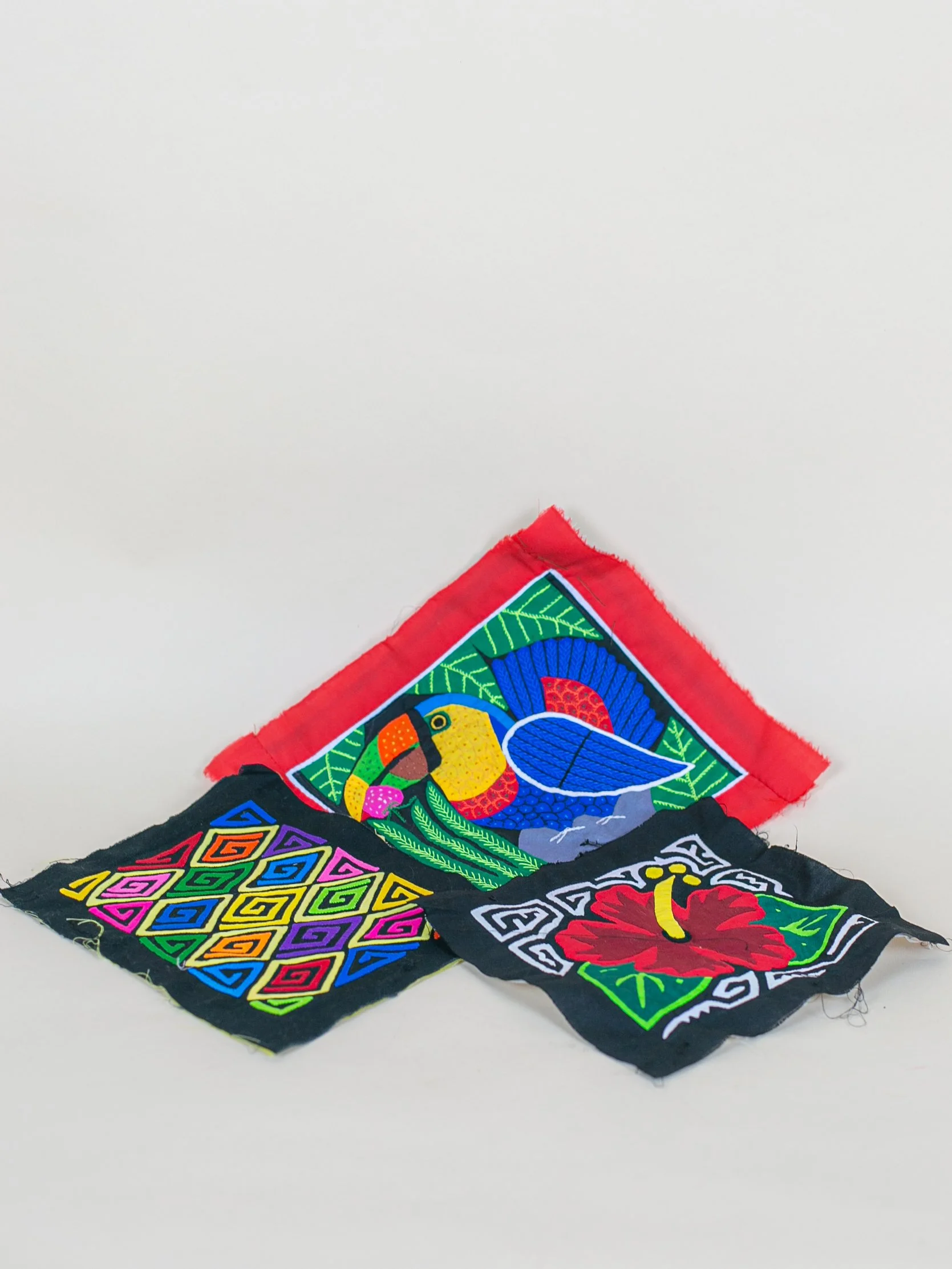
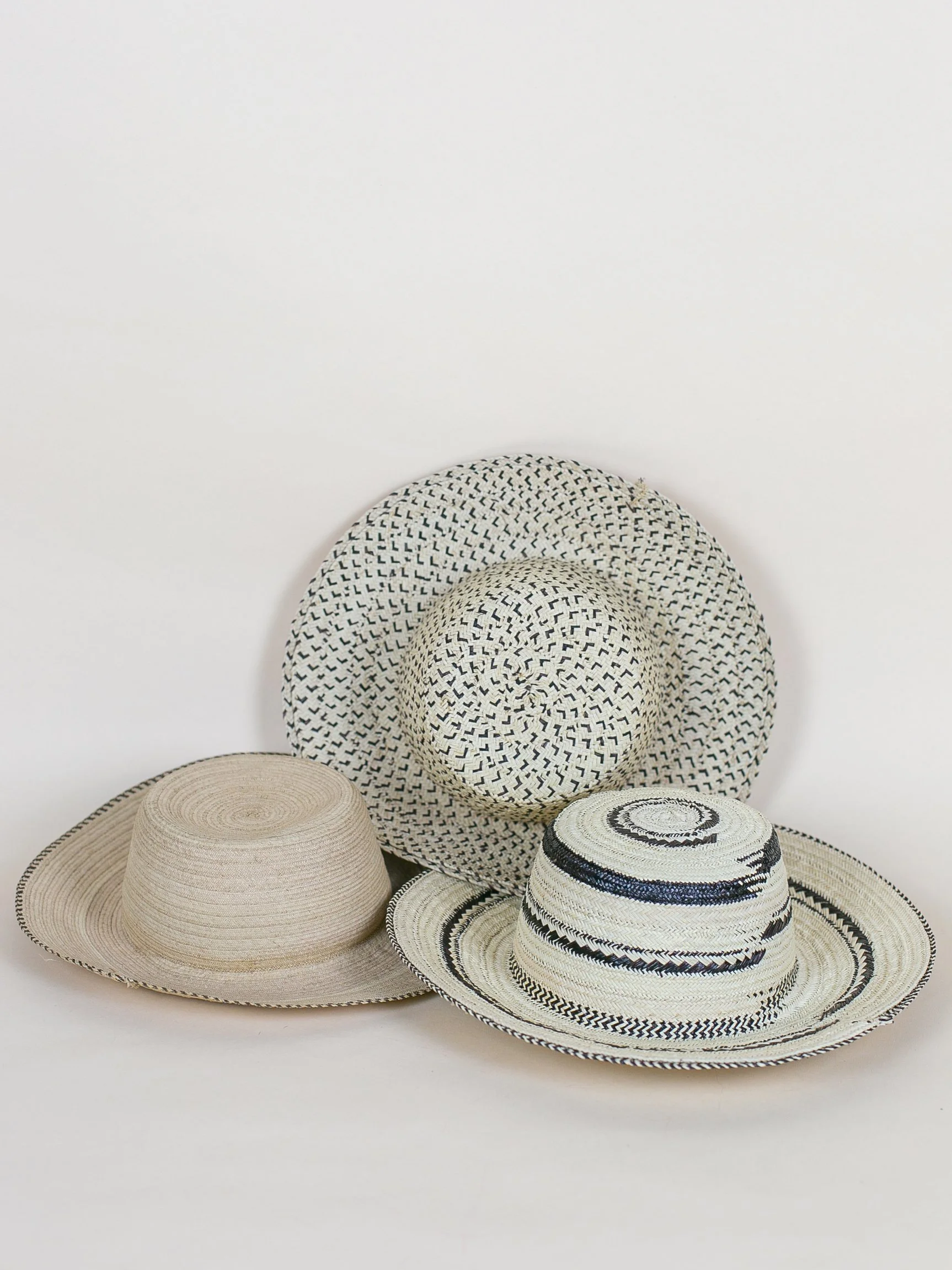
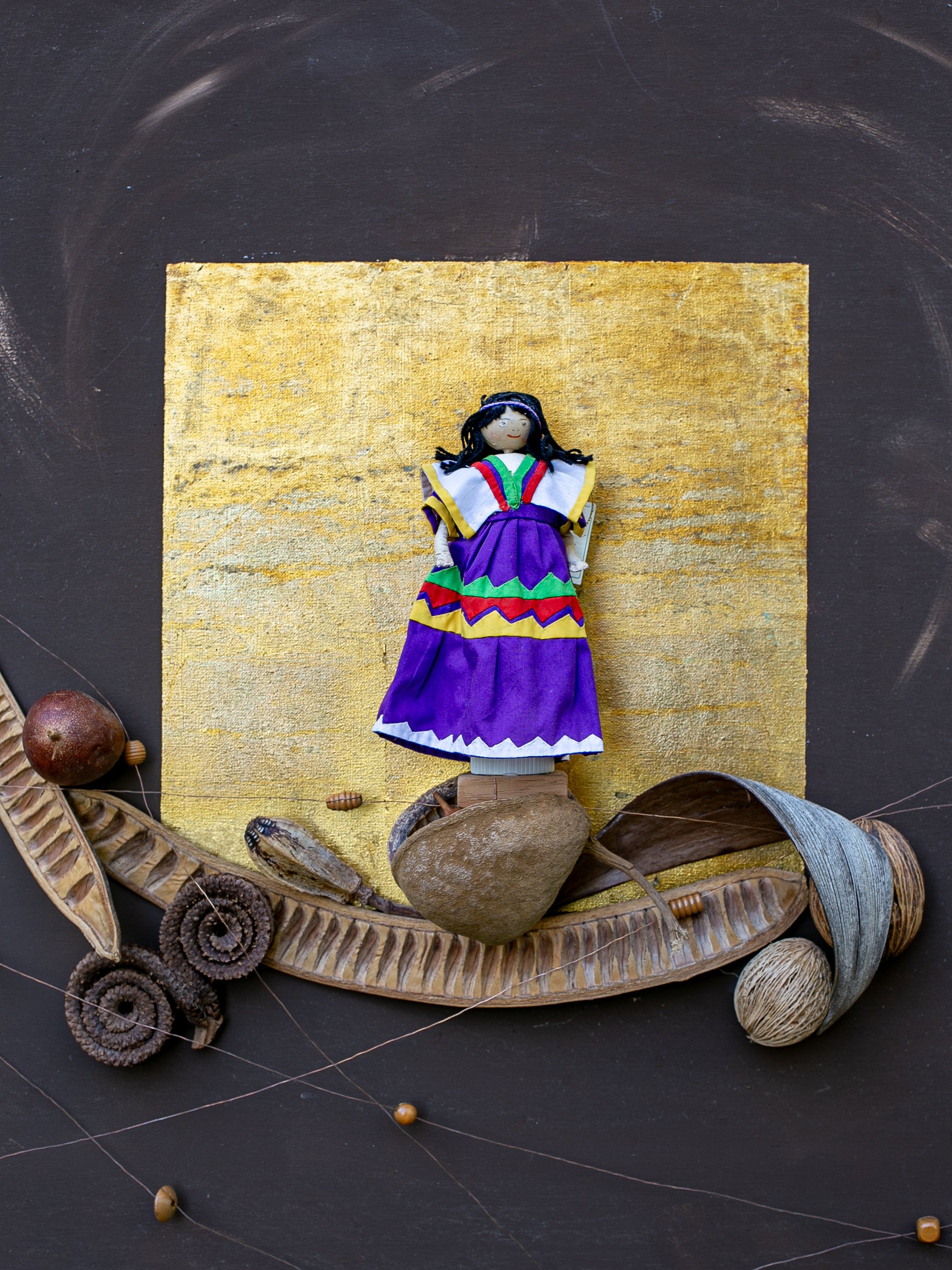
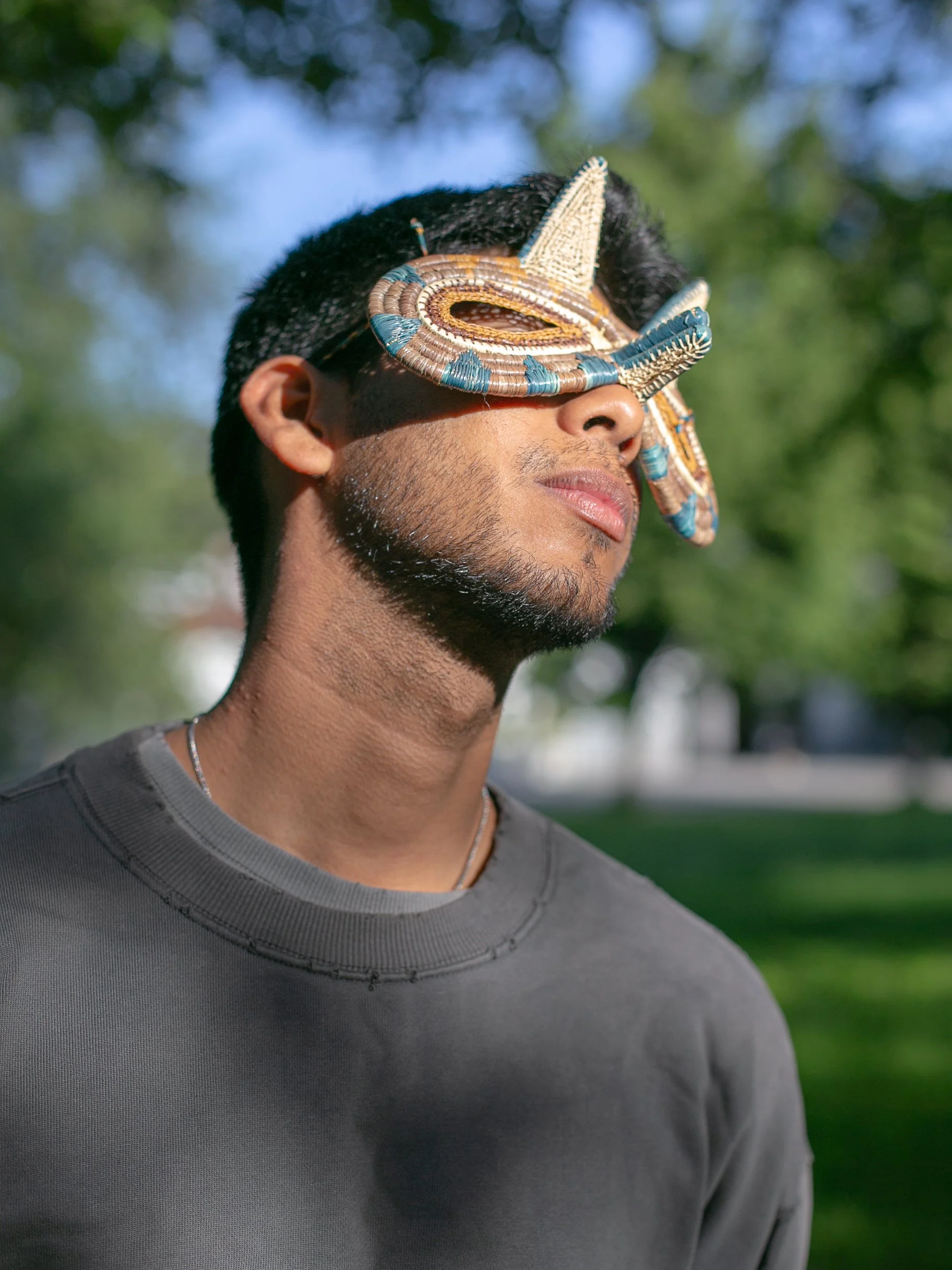
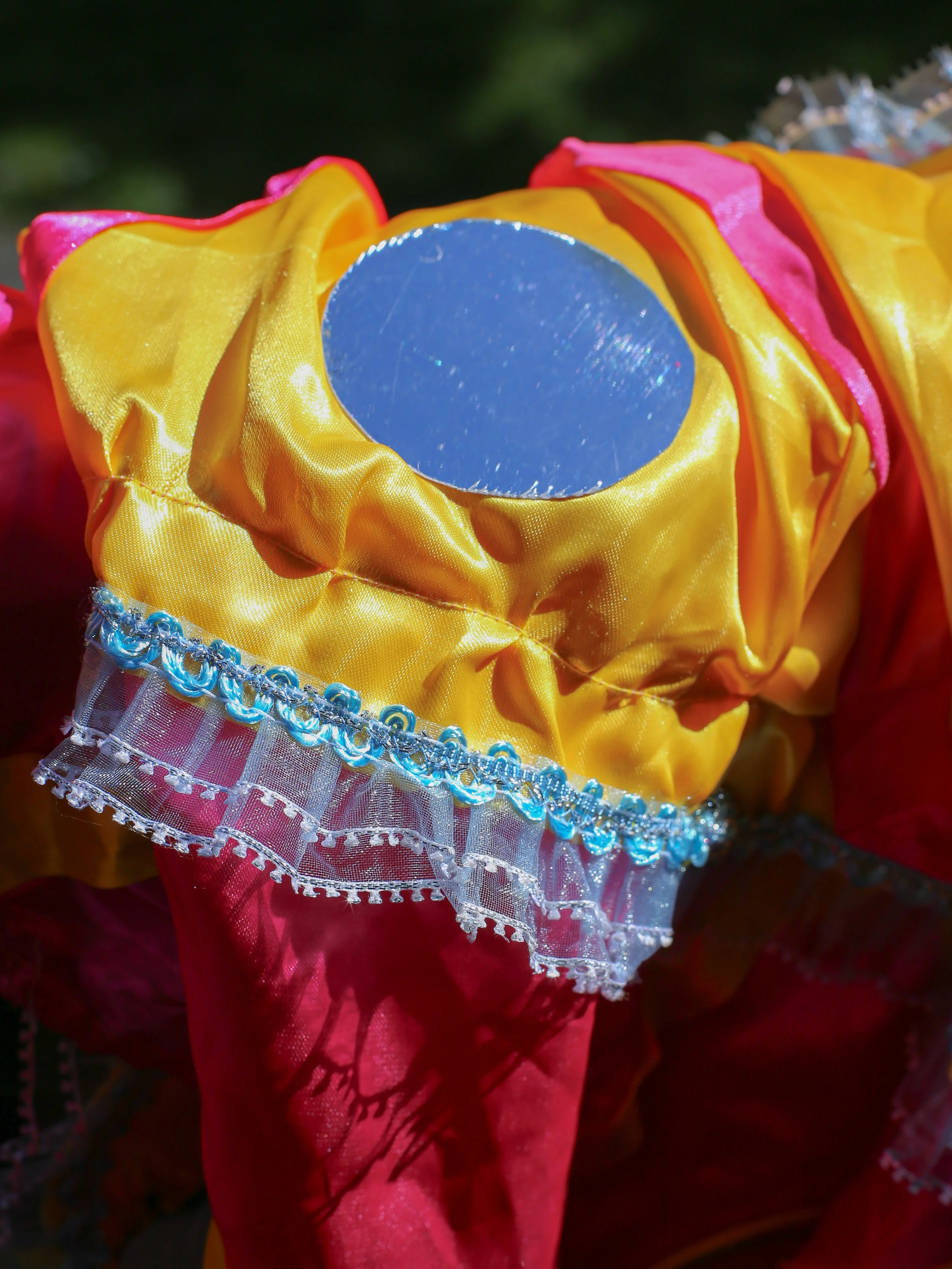
Todos Vuelven is a series of portraits centered on Panama’s traditional costumes. Through the people who wear them, the photographs explore cultural memory, heritage, and the diverse mosaic of identities that make up Panama.
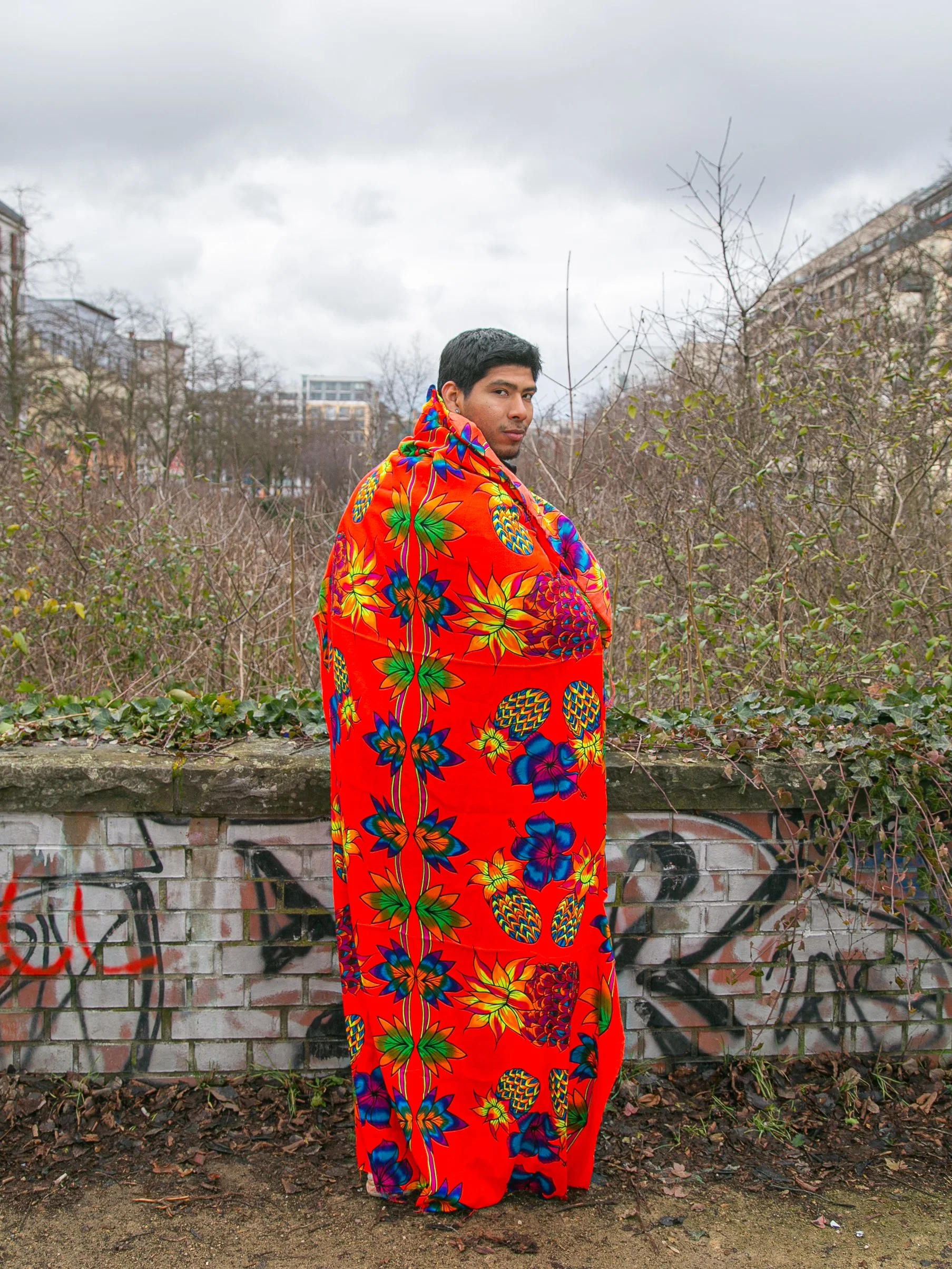
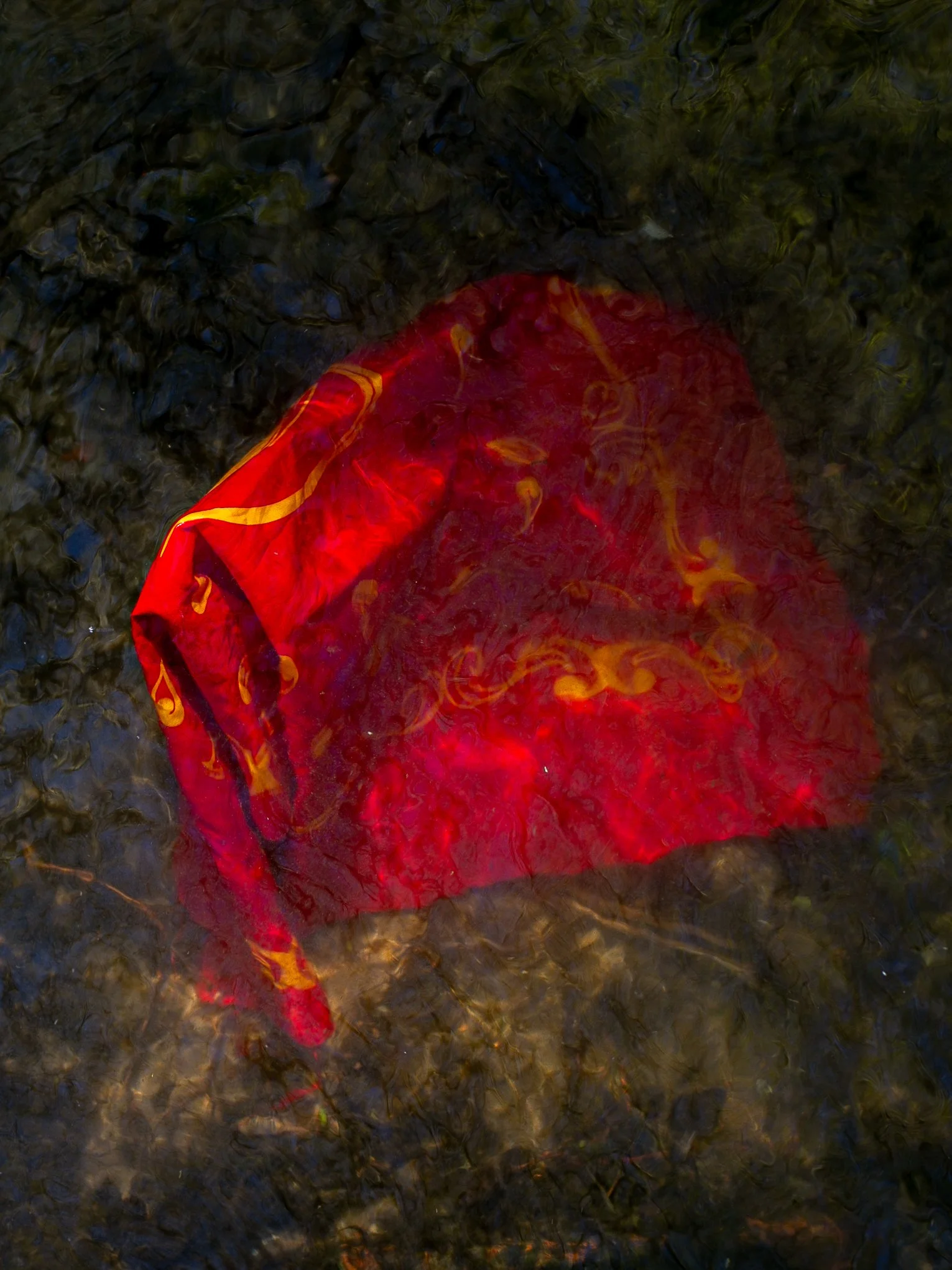
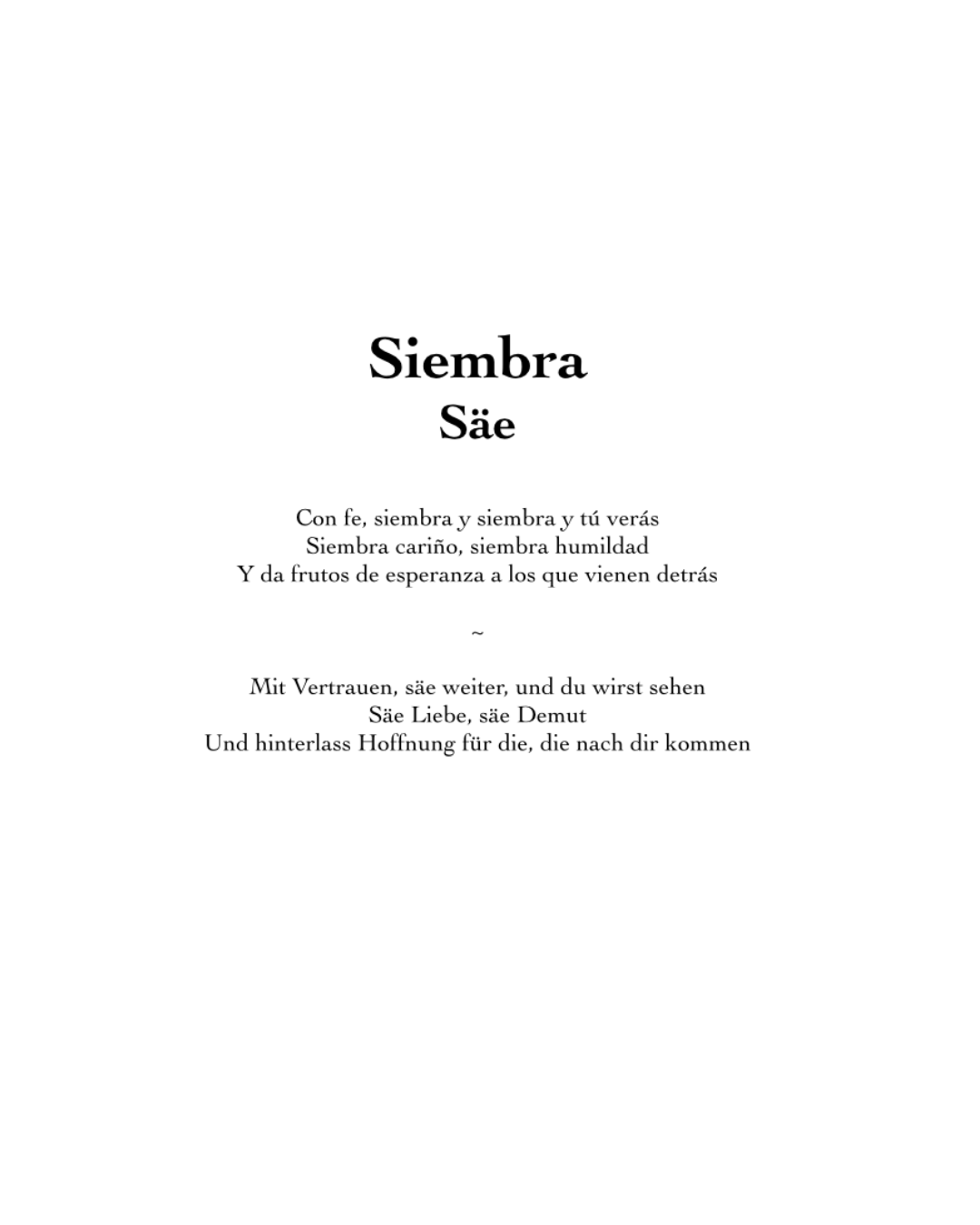
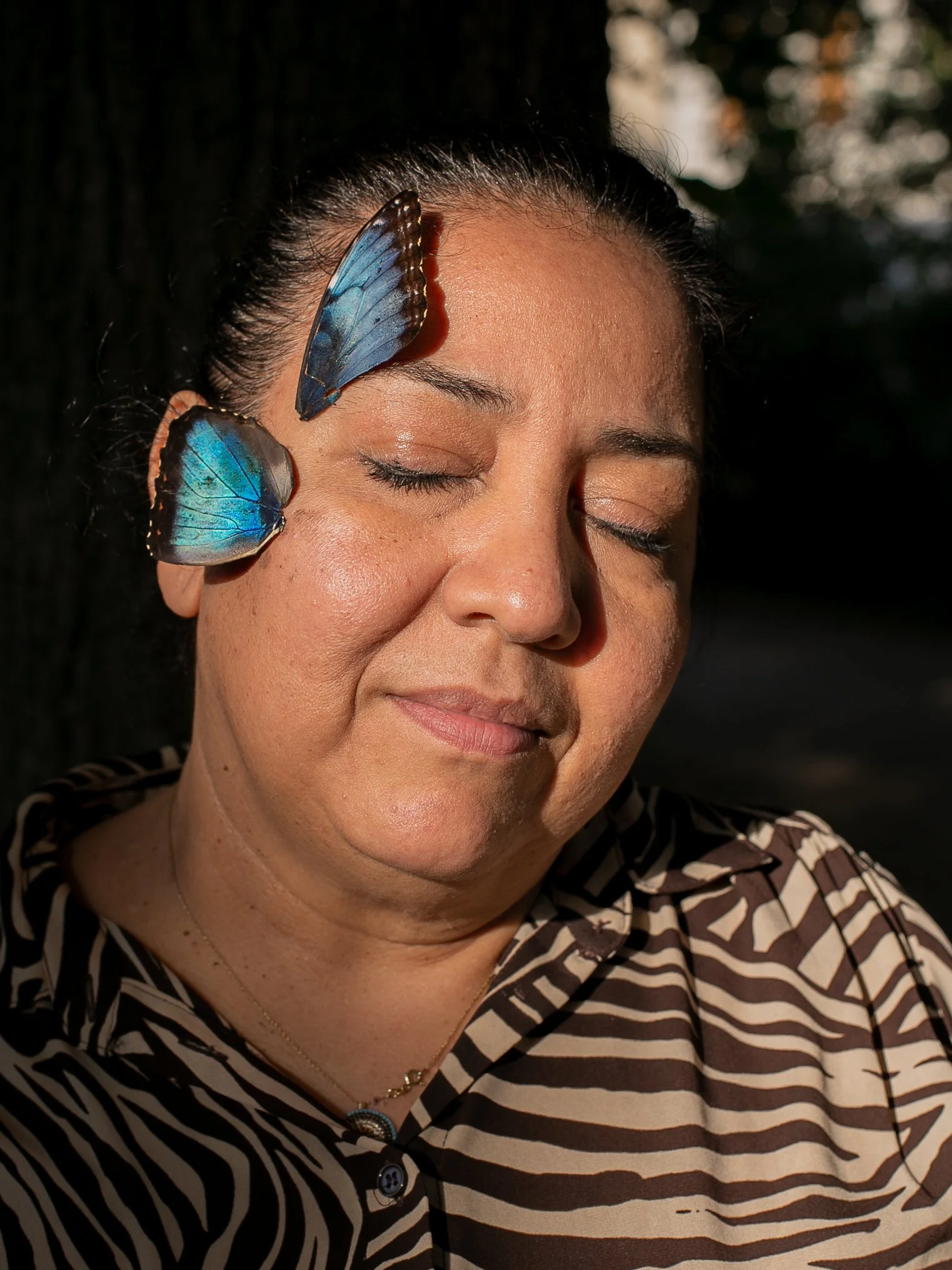
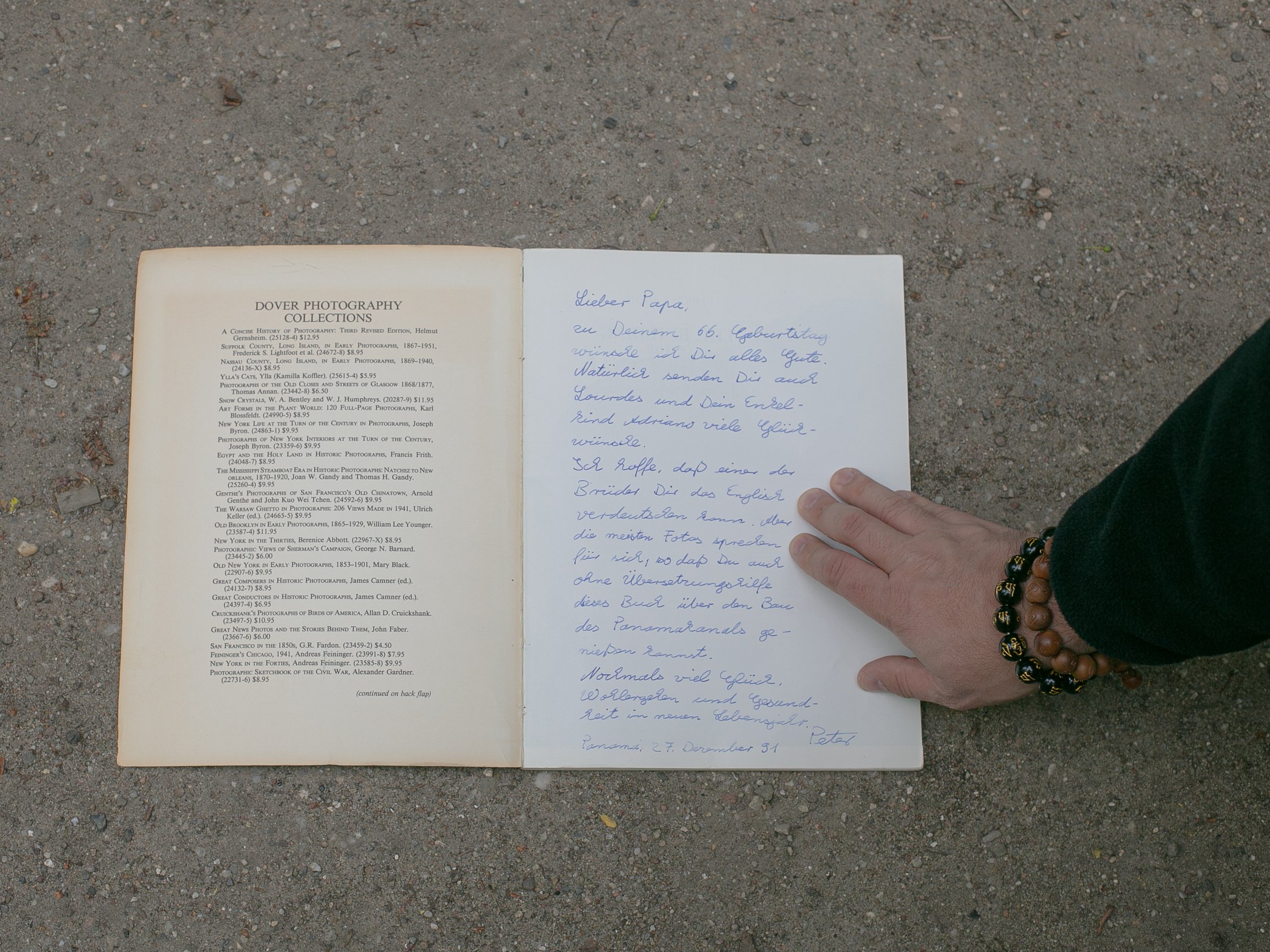
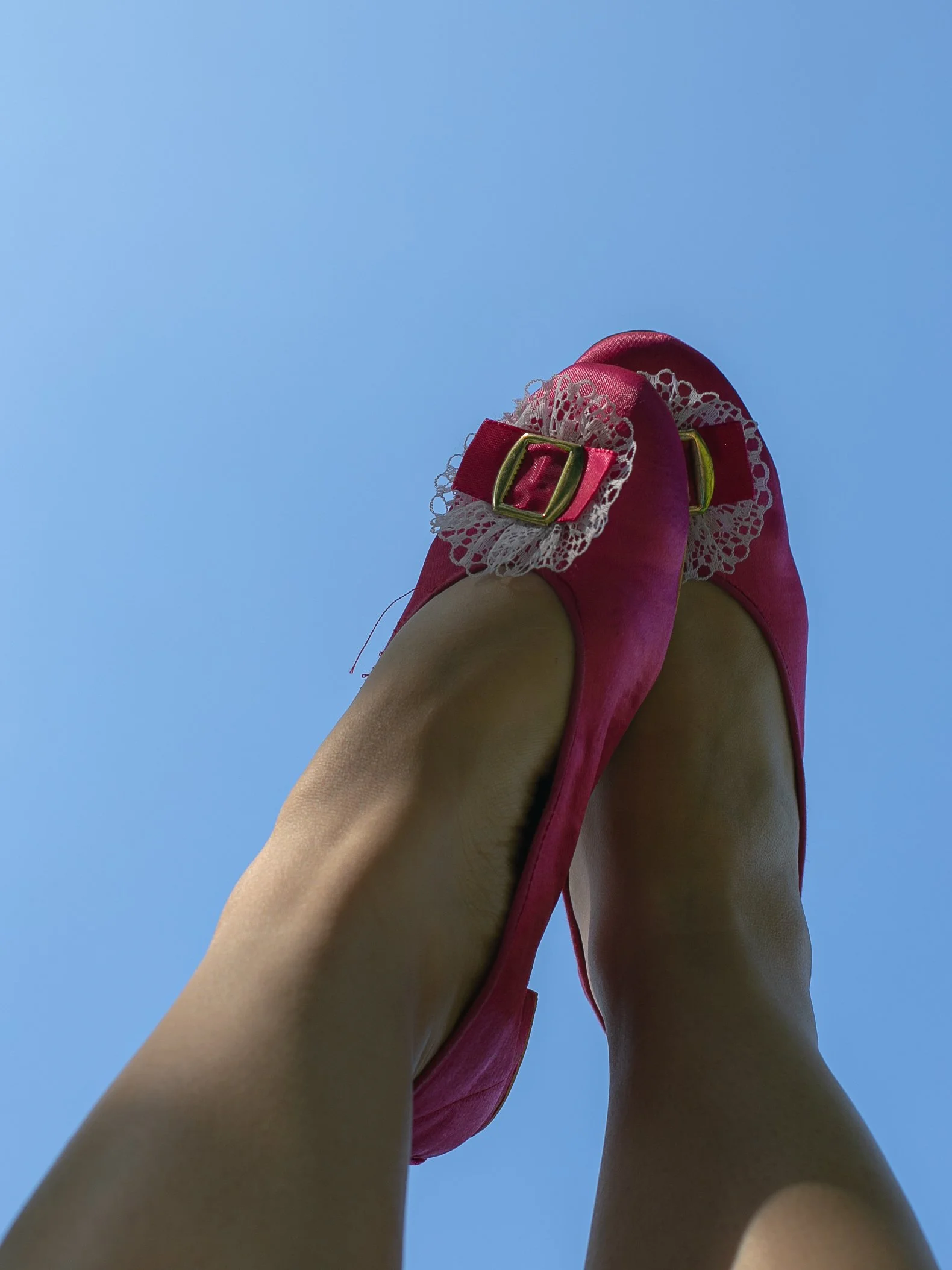
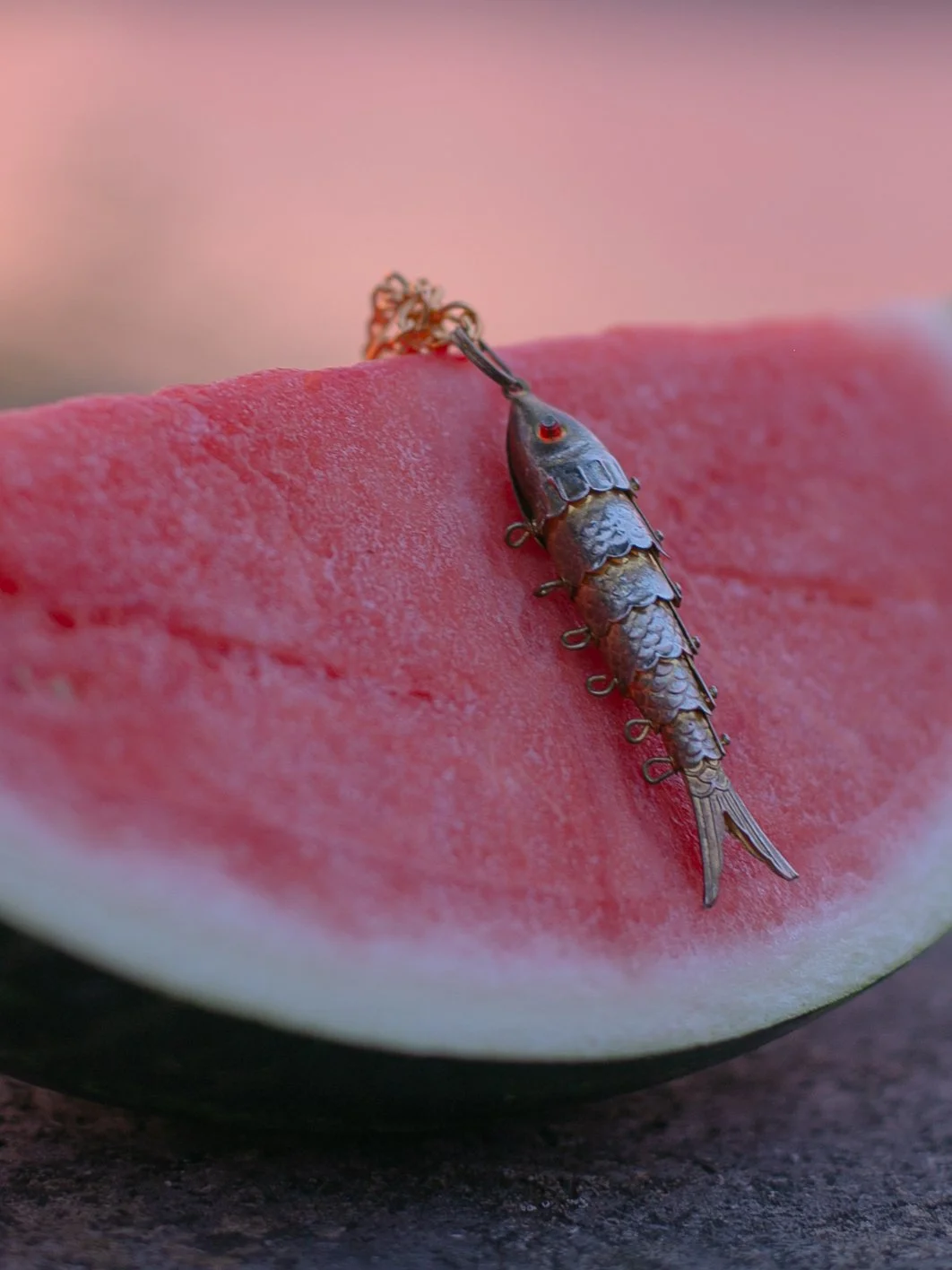
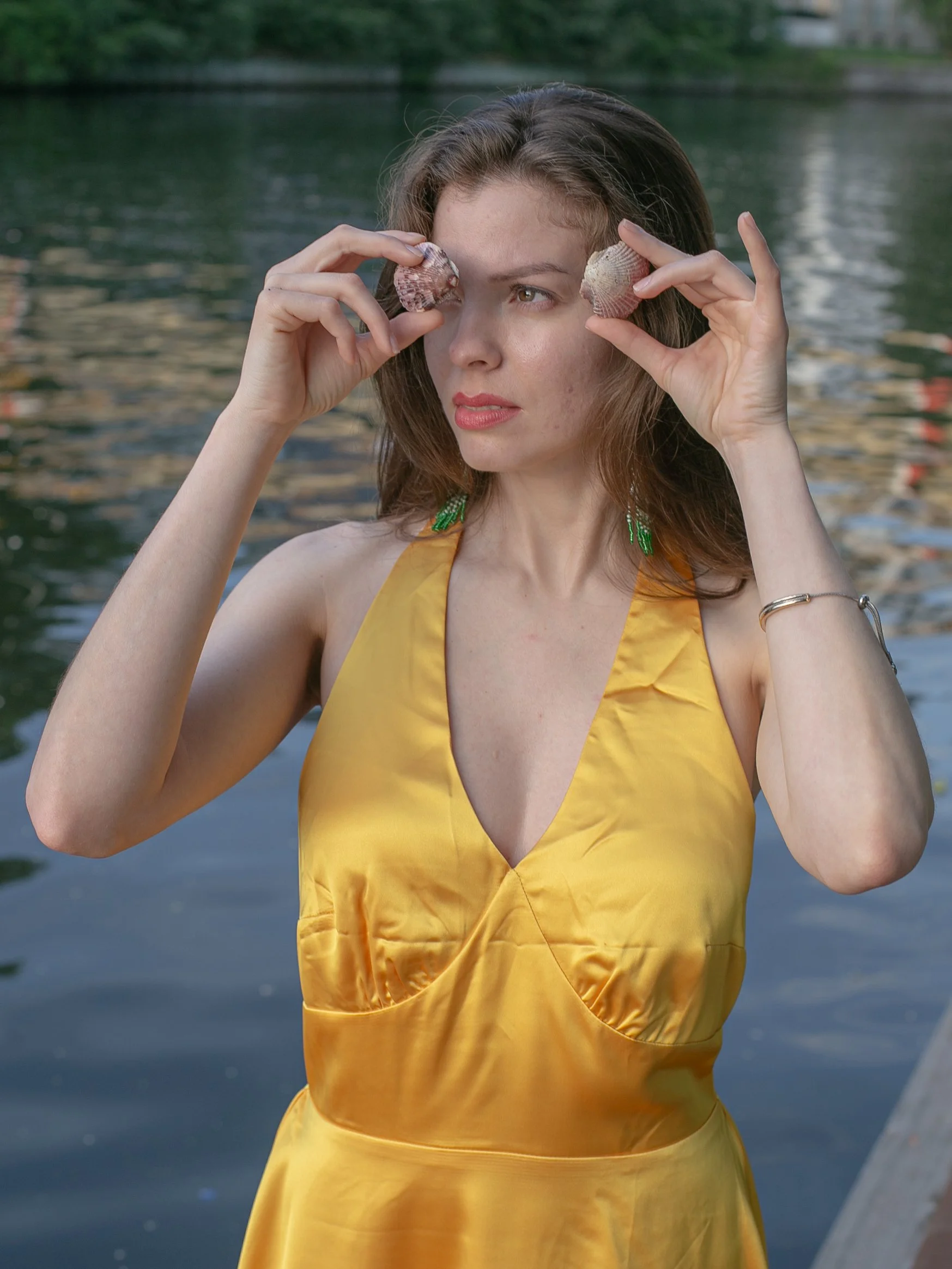
Siembra moves into a more dreamlike and abstract space. An oneiric exploration of migration and identity, it considers what it means to move between worlds: to carry one reality within another, and to exist between places, memories, and possibilities, reflecting my own bicultural and bilingual upbringing.
The compass rose gives direction without pointing toward a single destination. In the same way, Rosa de los Vientos understands identity as fluid: there is not one home, one origin, or one way of belonging. Culture can move in multiple directions, carrying histories while making space for new interpretations.
Rosa de los Vientos is both a document and a tribute to the people who carry traditions across borders, to the communities that keep them alive, and to the possibility of creating new definitions of home together.