Golden Frogs, 2021 - ongoing
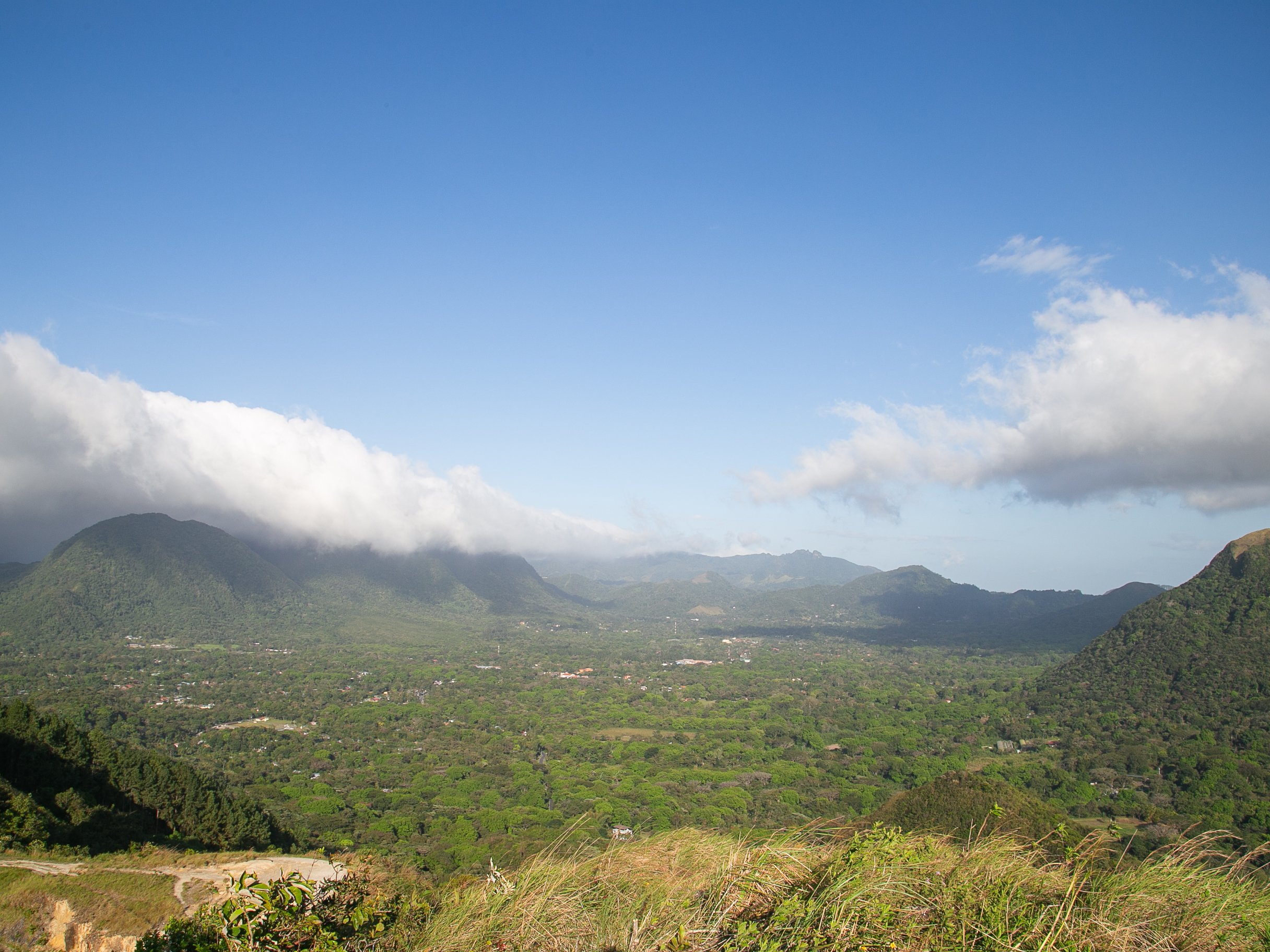
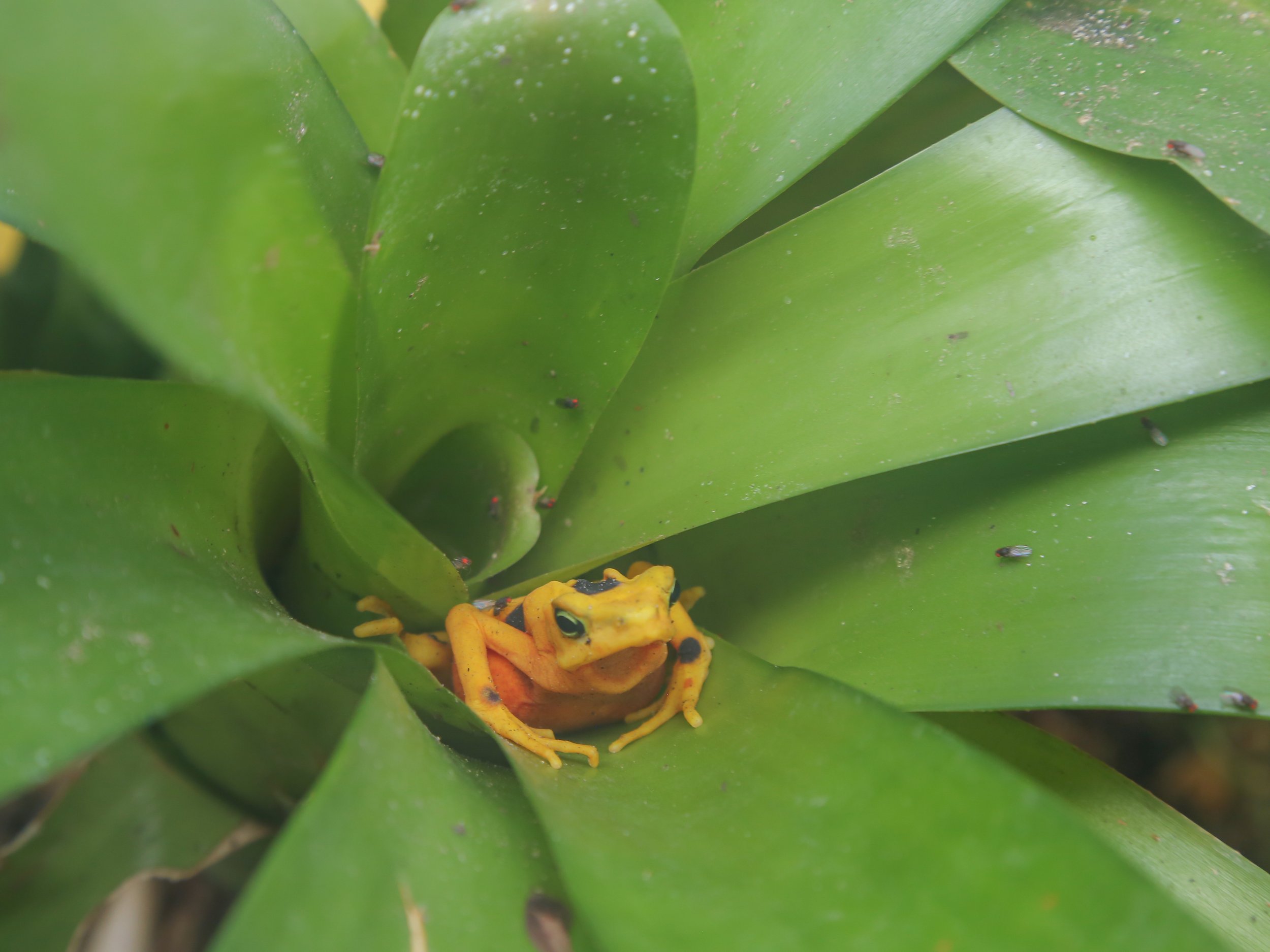
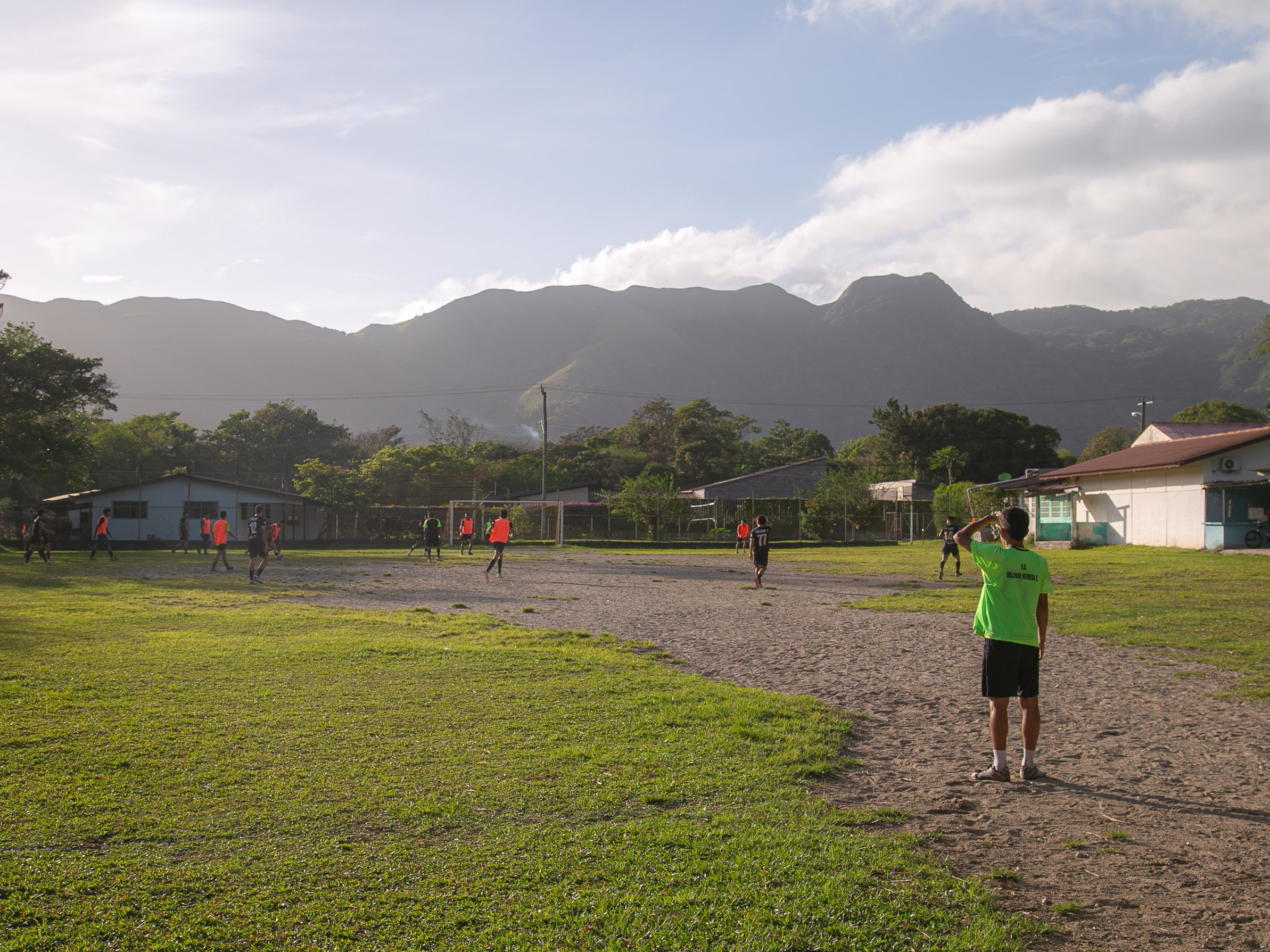
As a child, I visited El Valle de Antón in Panama regularly. We stayed with a friend of my father from Germany, and in his garden, with a well facing the Gaital and Caracoral mountains, I saw golden frogs. Countless shimmering yellow creatures, alive and vibrant. Their presence felt magical.
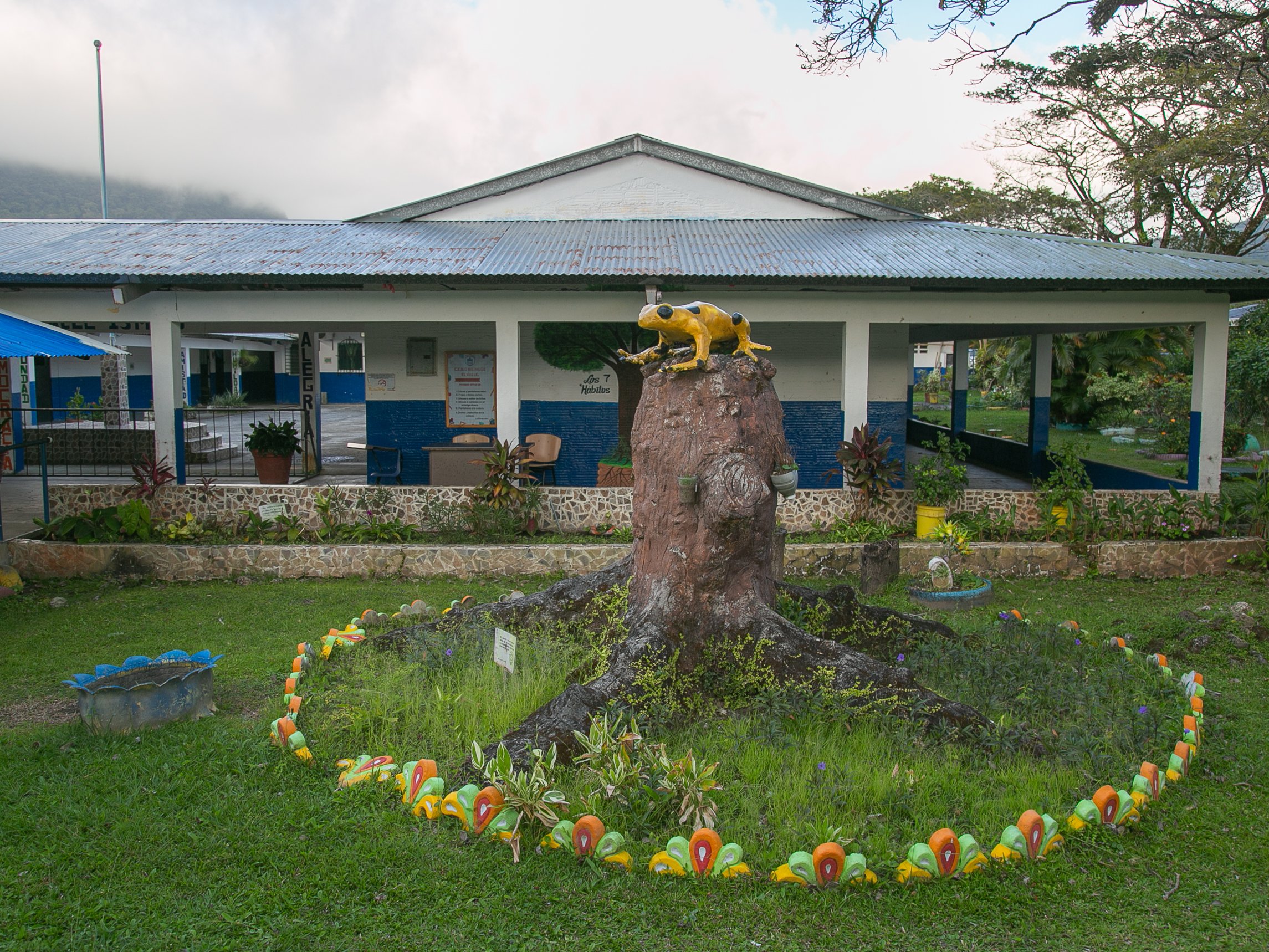
The Panamanian golden frog (Atelopus zeteki) was sacred to Indigenous communities and is still depicted in huacas and local myths. Today, it is extinct in the wild. Its disappearance is part of a global amphibian crisis caused by the chytrid fungus (Batrachochytrium dendrobatidis), a deadly pathogen that likely spread through trade and human activity. First detected in Central America in the 1990s, chytrid has decimated amphibians worldwide. These species play crucial roles in ecosystems: they control insects, cycle nutrients, and serve as indicators of environmental health.
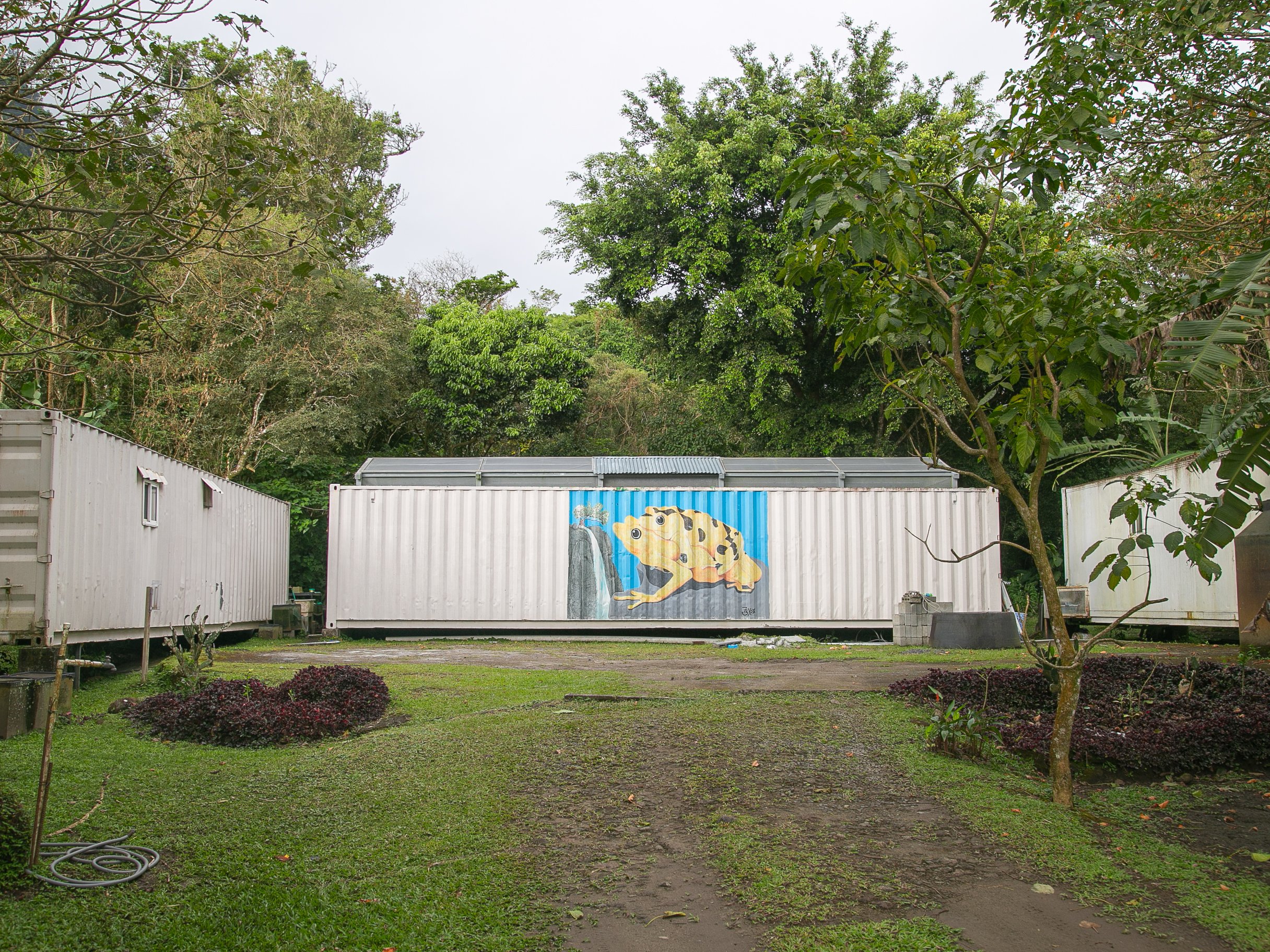
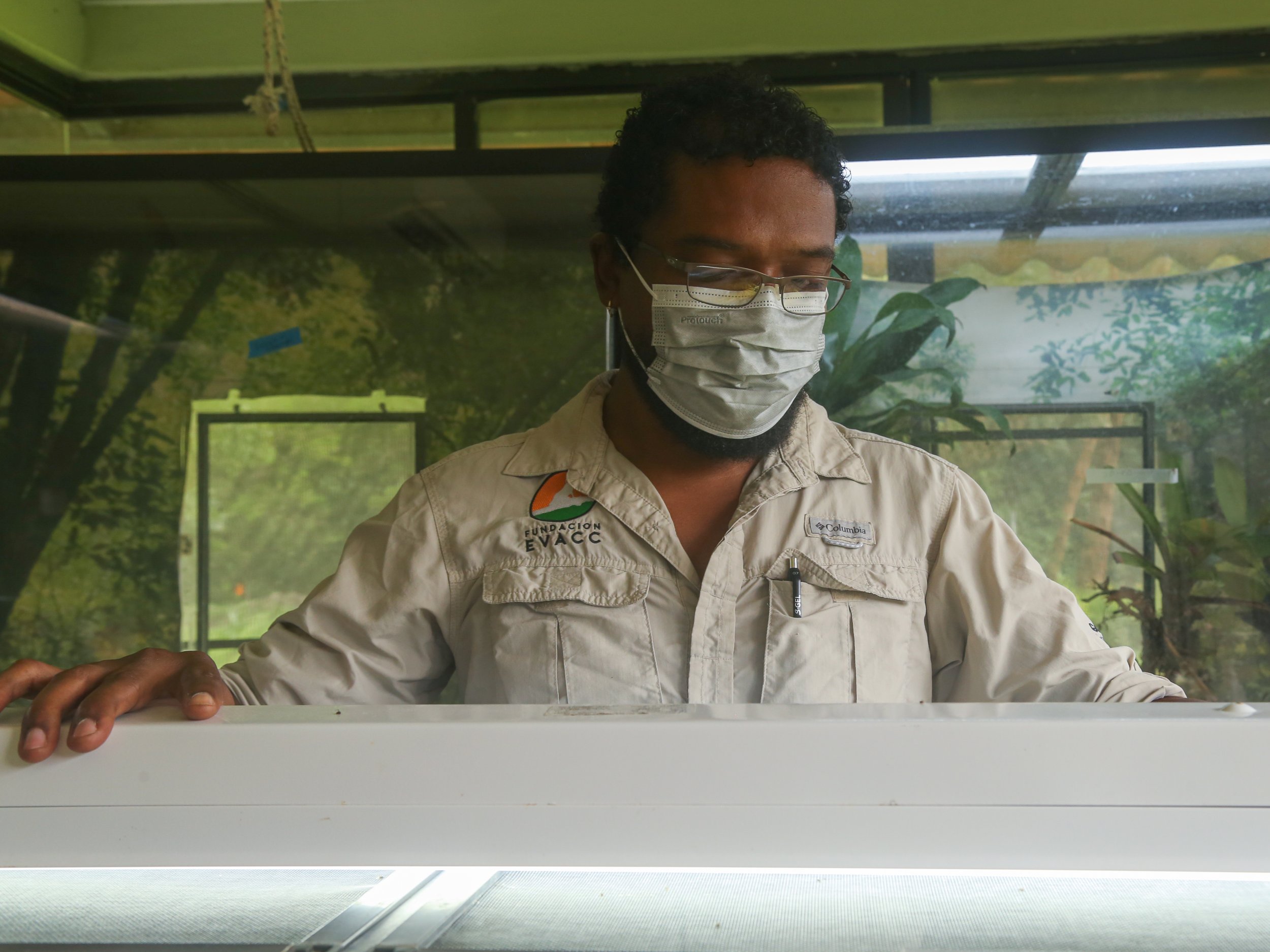
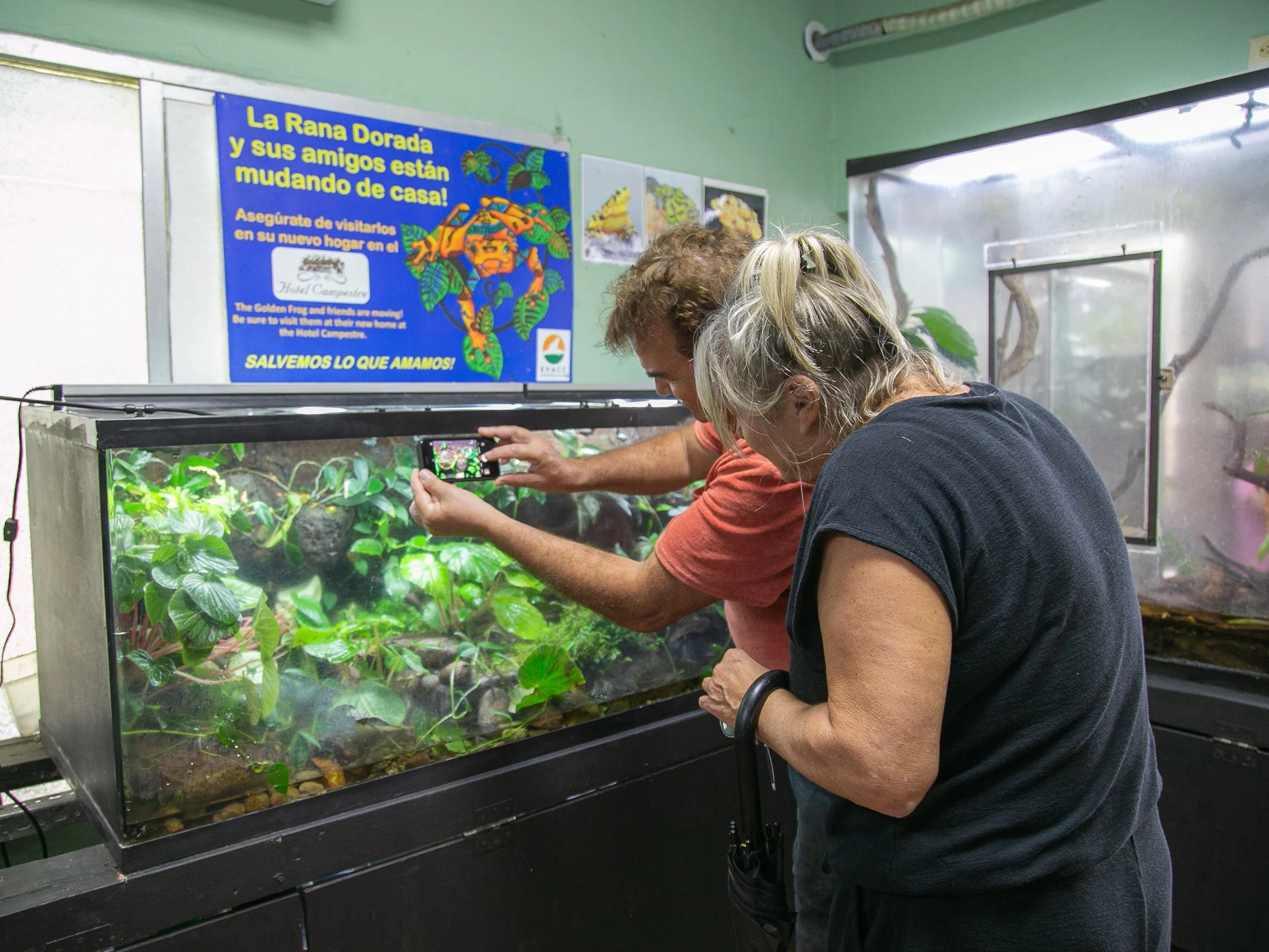
Golden frogs survive in Panama in captivity, in breeding centers like the El Valle Amphibian Conservation Center (EVACC). Conservationists like Edgardo Griffith dedicate their lives to these last lifelines, despite limited resources. Recently, thieves stole critical electrical cables from EVACC, shutting down life-support systems and killing 150 tadpoles, a stark reminder of how fragile conservation can be.
My work seeks to bear witness to these fragile lives, the people who fight for their survival, and the ecosystems they inhabit.