ISTHMUS, 2021 - ongoing
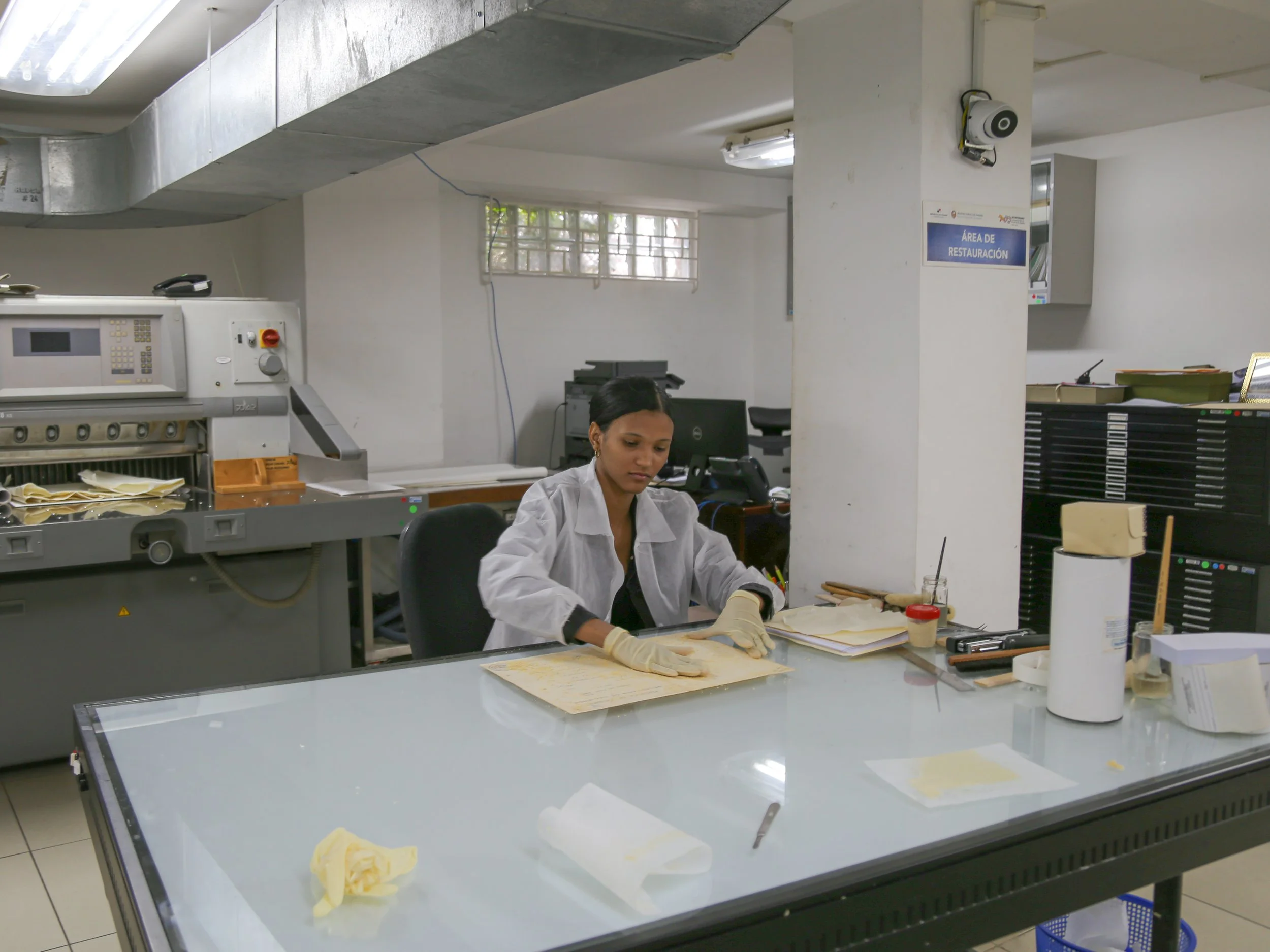
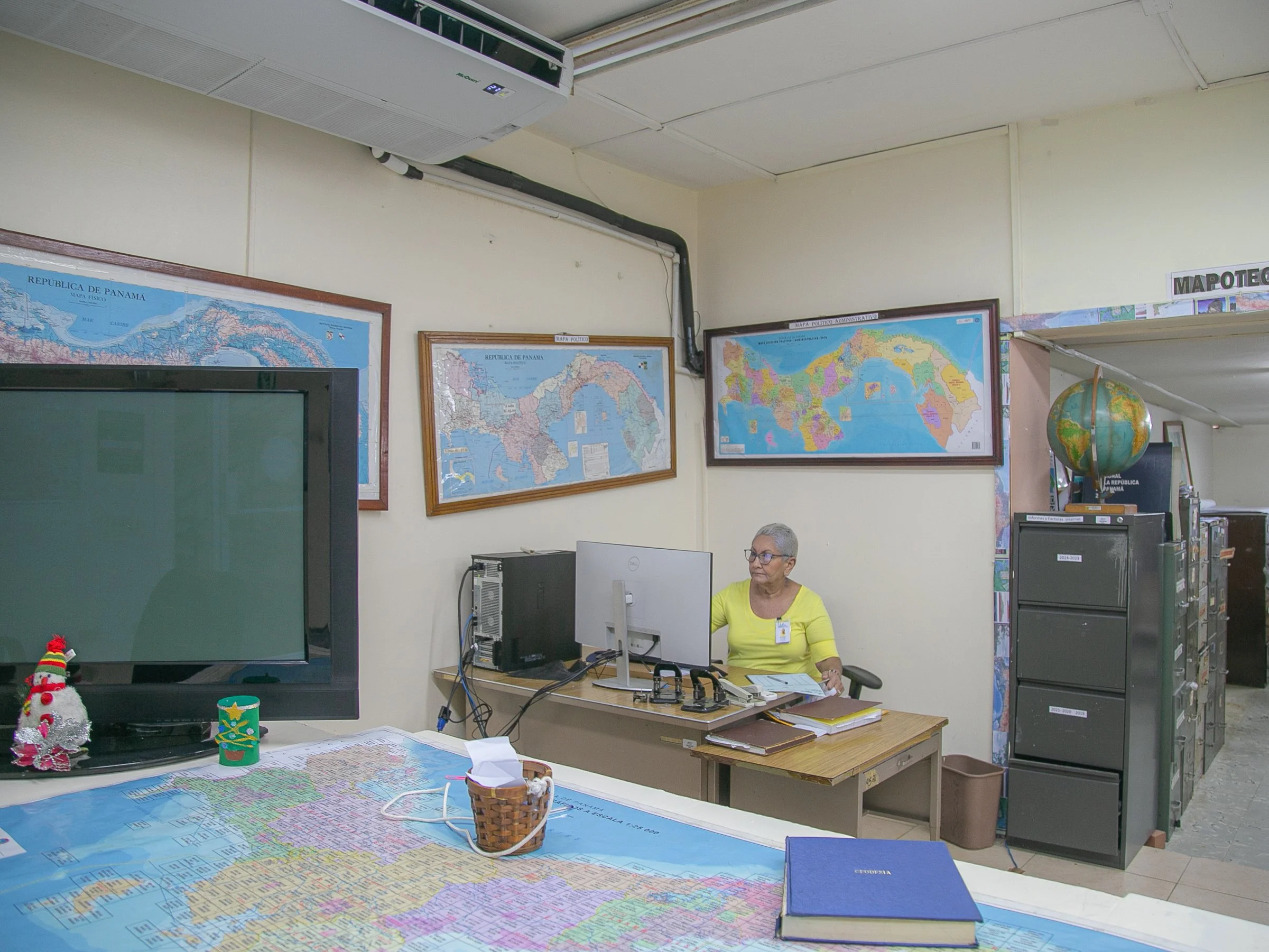
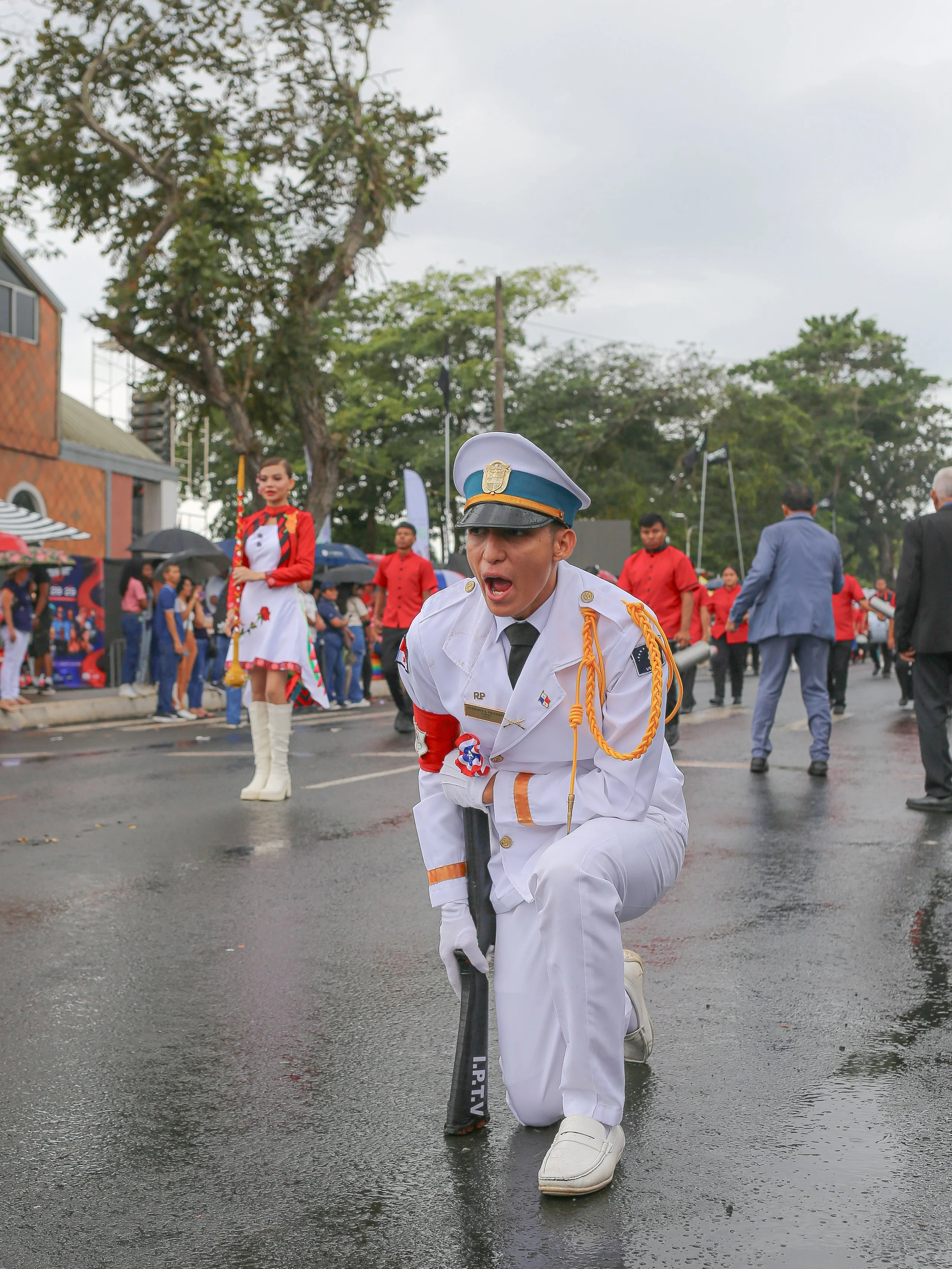
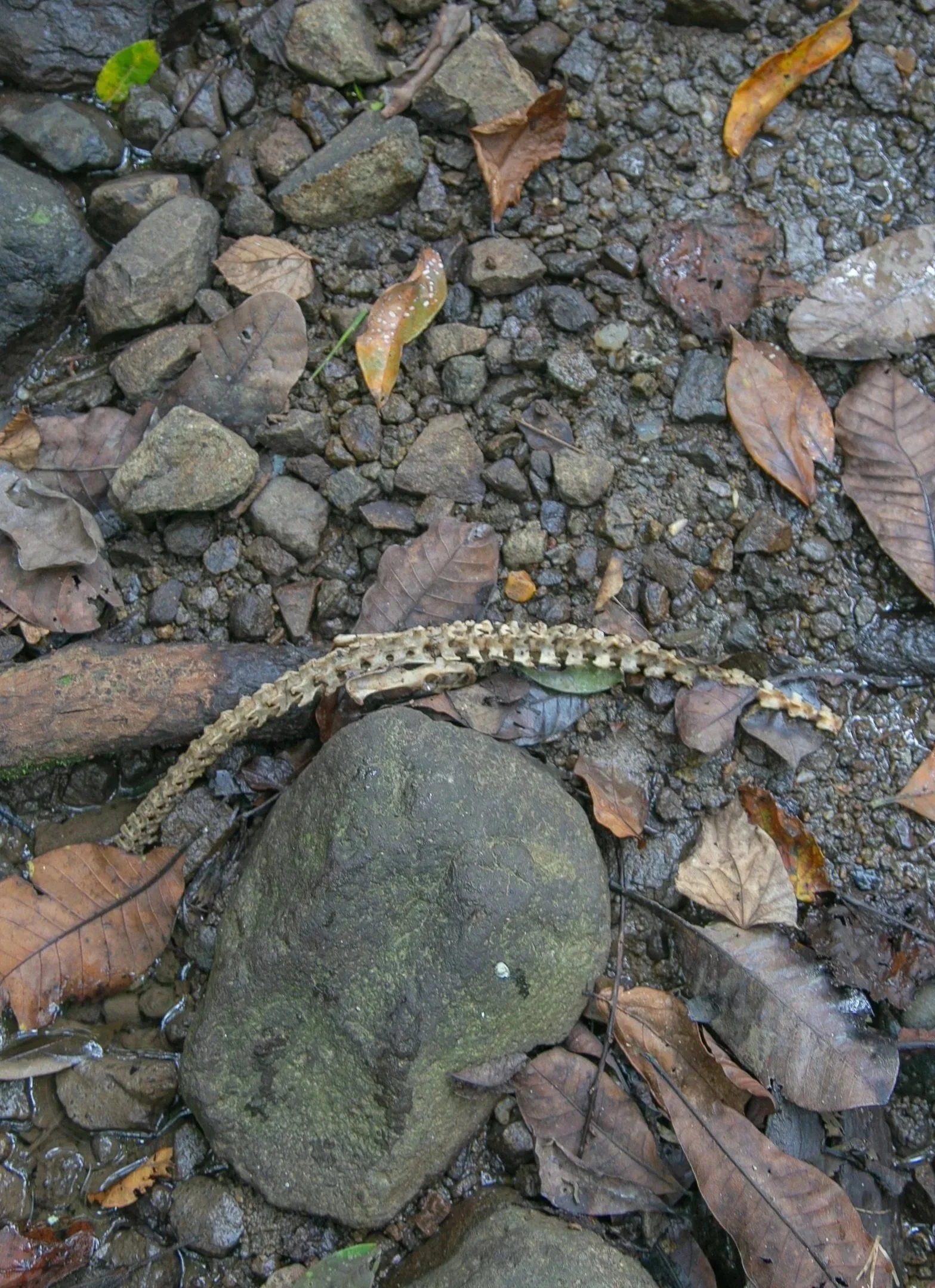
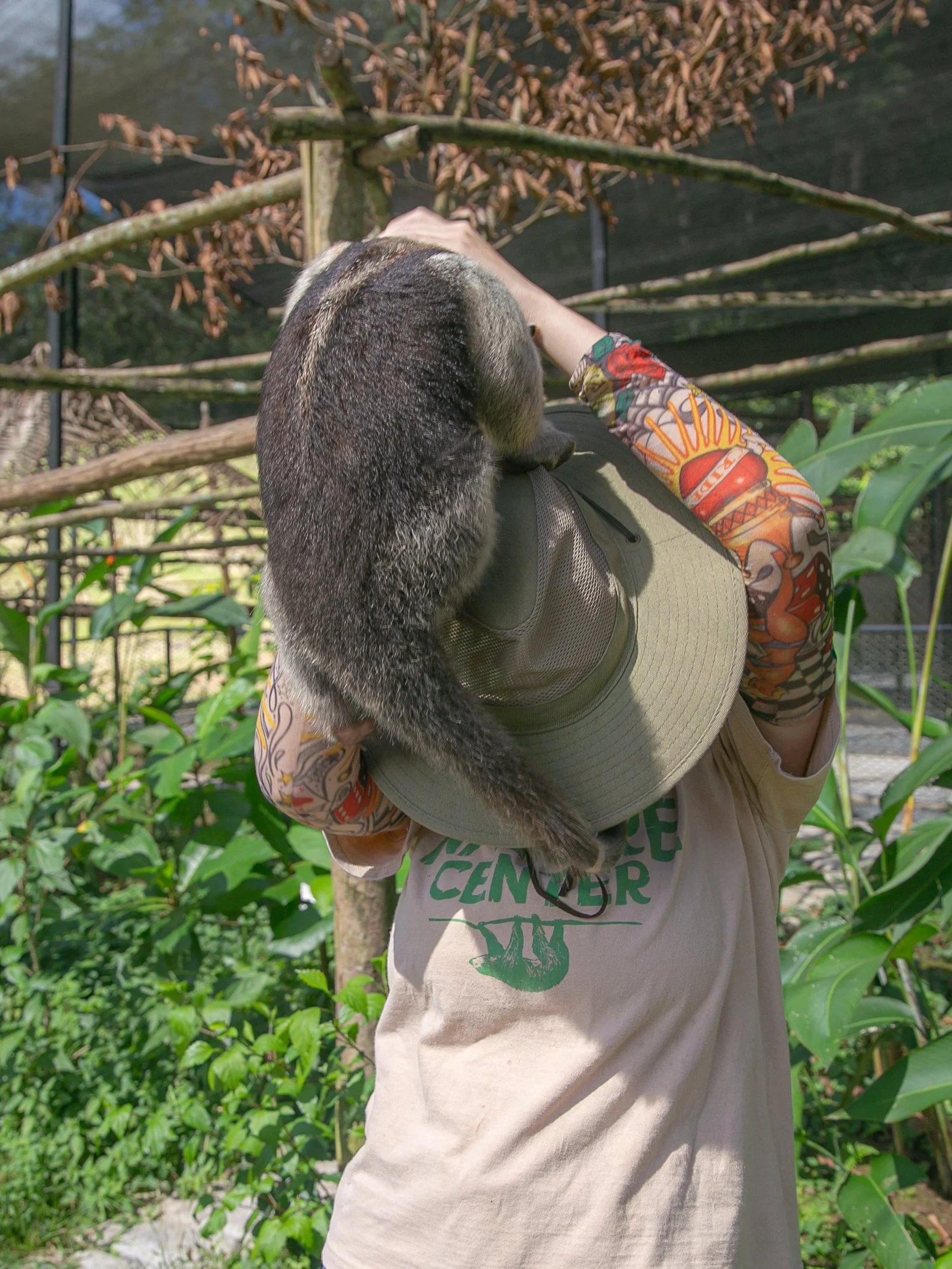
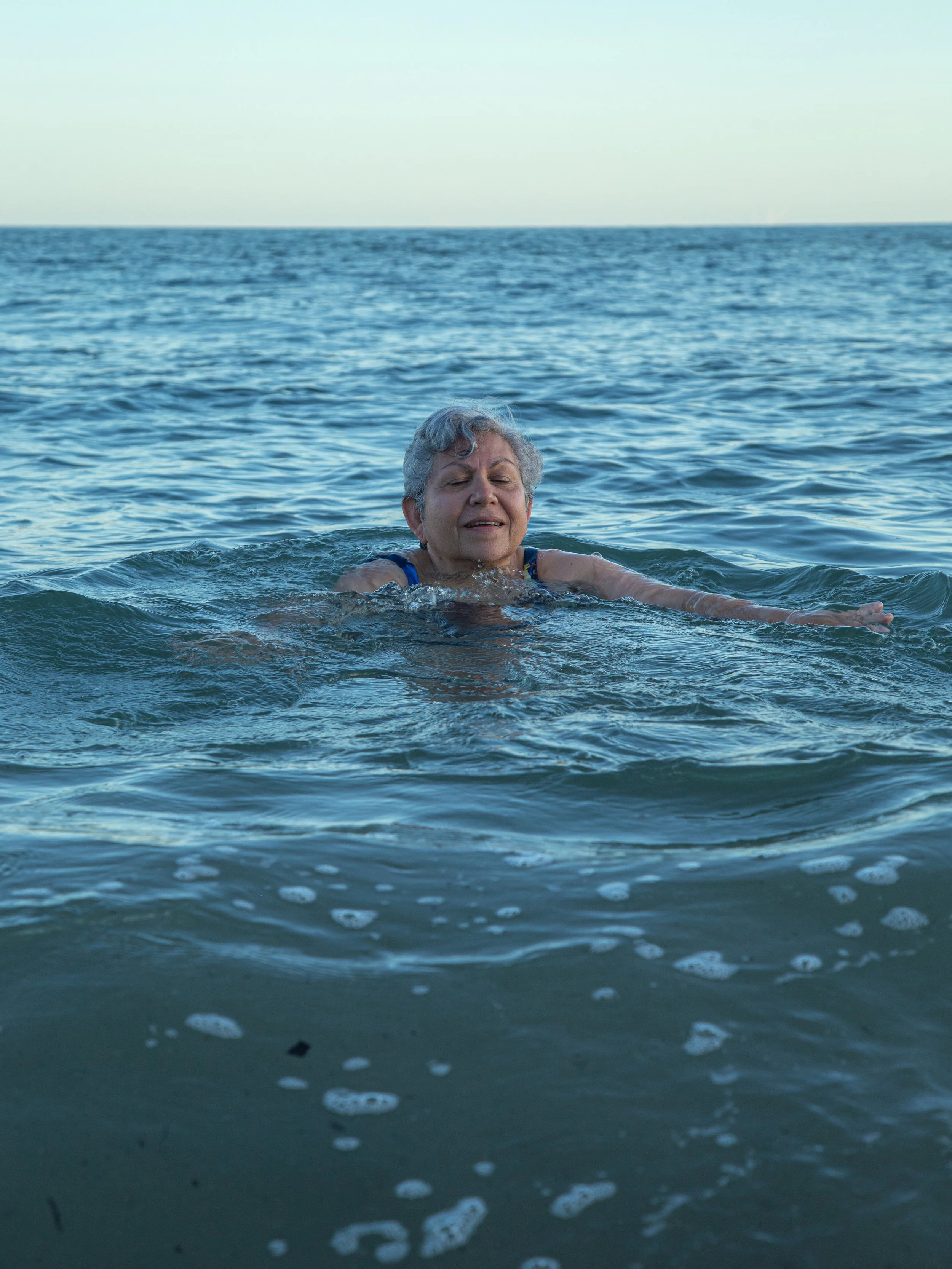
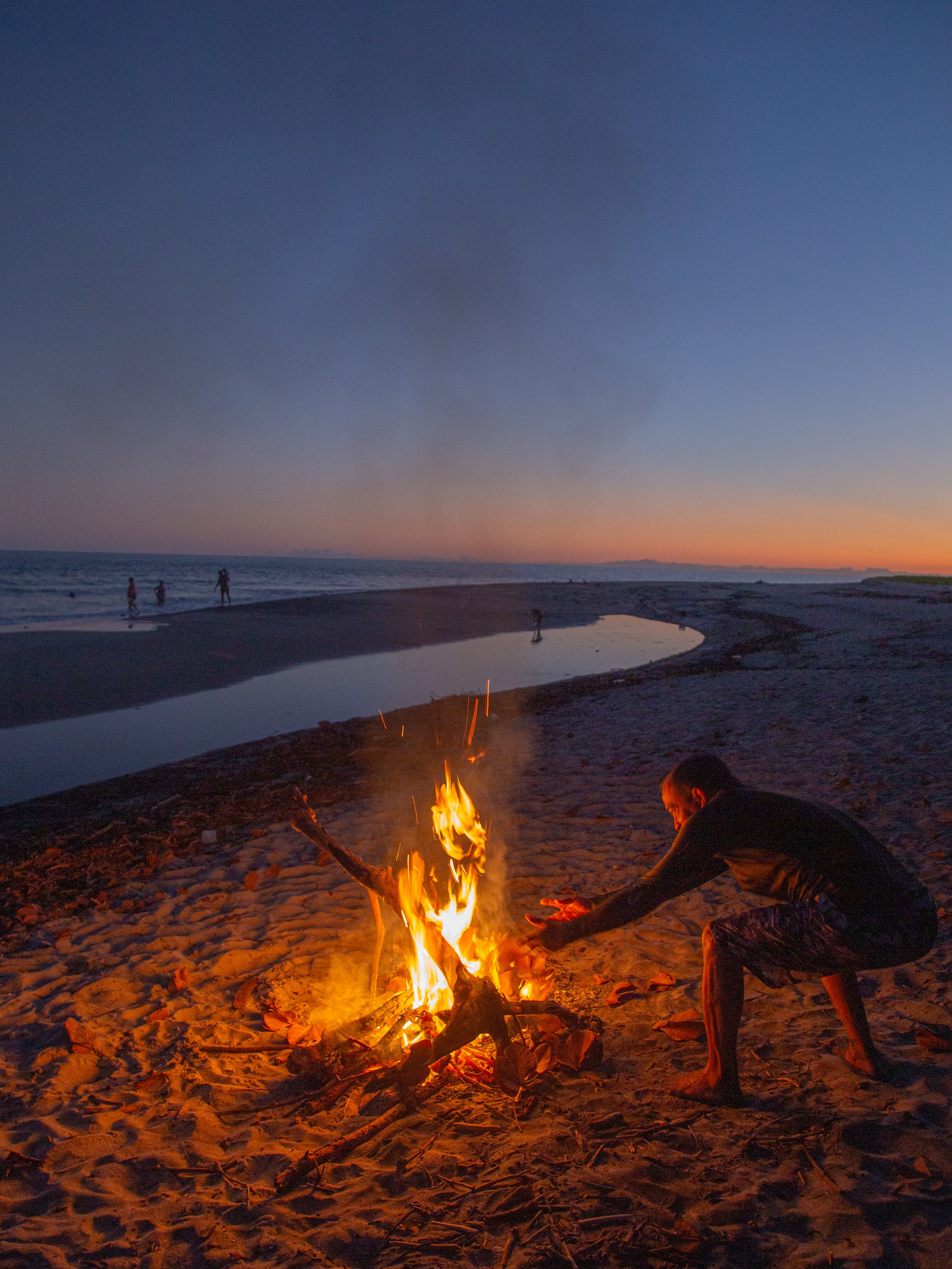
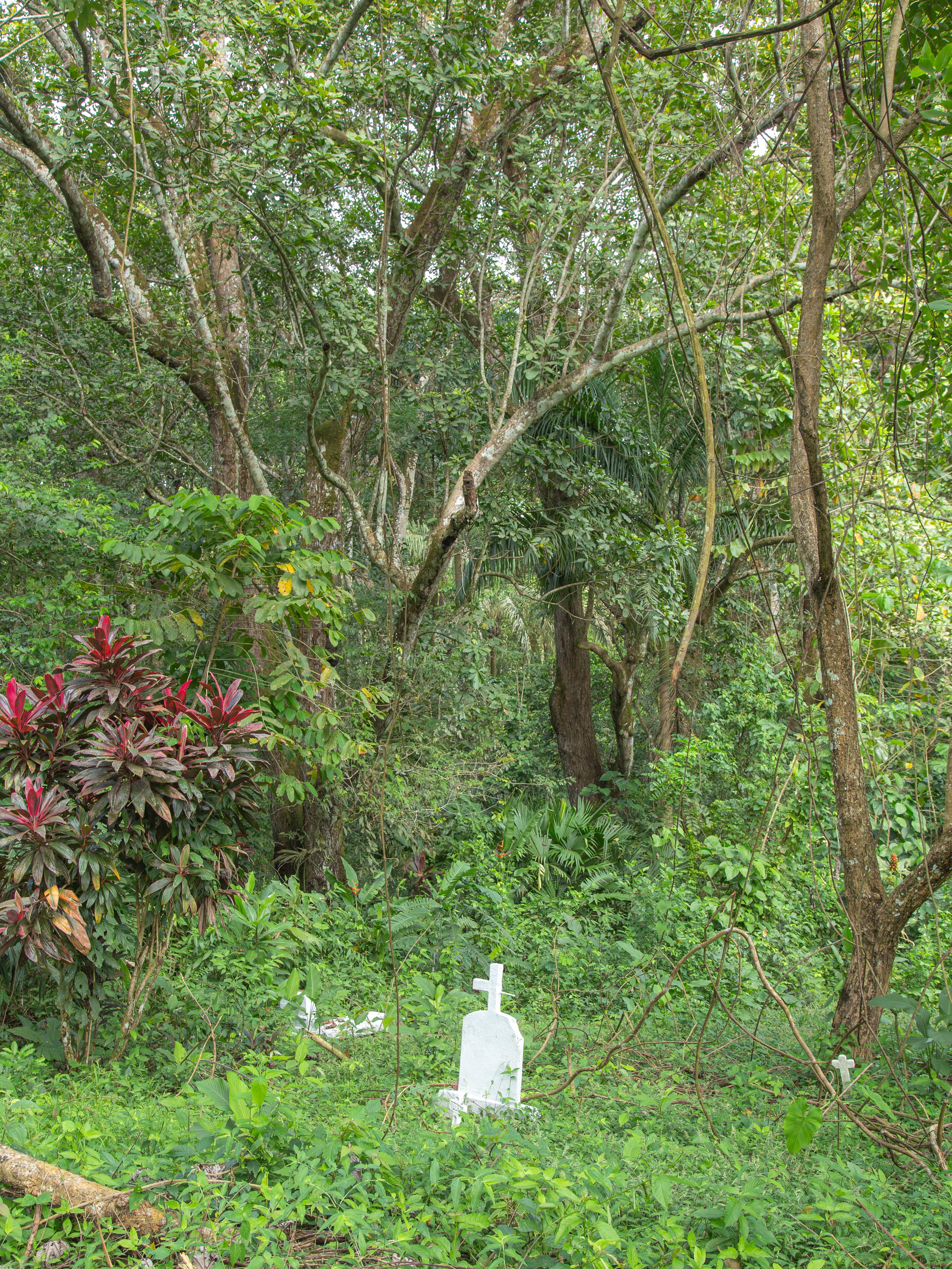
On December 31, 1999, I stood between my parents in a crowd gathered for the handover of the Panama Canal. It was the turn of the millennium. I was six years old and deeply annoyed. The speeches felt endless. In protest, I began eating the grass beneath my feet.
My mother grew up in a country where she could not freely set foot on that land. For most of her youth, the Panama Canal Zone was off-limits to Panamanians, a sovereign enclave carved through the heart of the nation and governed by a foreign power.
That night, as fireworks prepared to welcome a new millennium, the Canal was formally returned to Panama. I did not yet understand sovereignty, treaties, or geopolitics. I only knew I was tired of waiting.
ISTHMUS begins there.
Long before it became a corridor for empires, Panama was forged by fire. Roughly three million years ago, volcanic activity and tectonic collisions pushed the ocean floor upward, forming the Isthmus of Panama, the land bridge connecting North and South America. Its emergence reshaped ocean currents, climate, and biodiversity. Our narrow strip of land reorganized the planet.
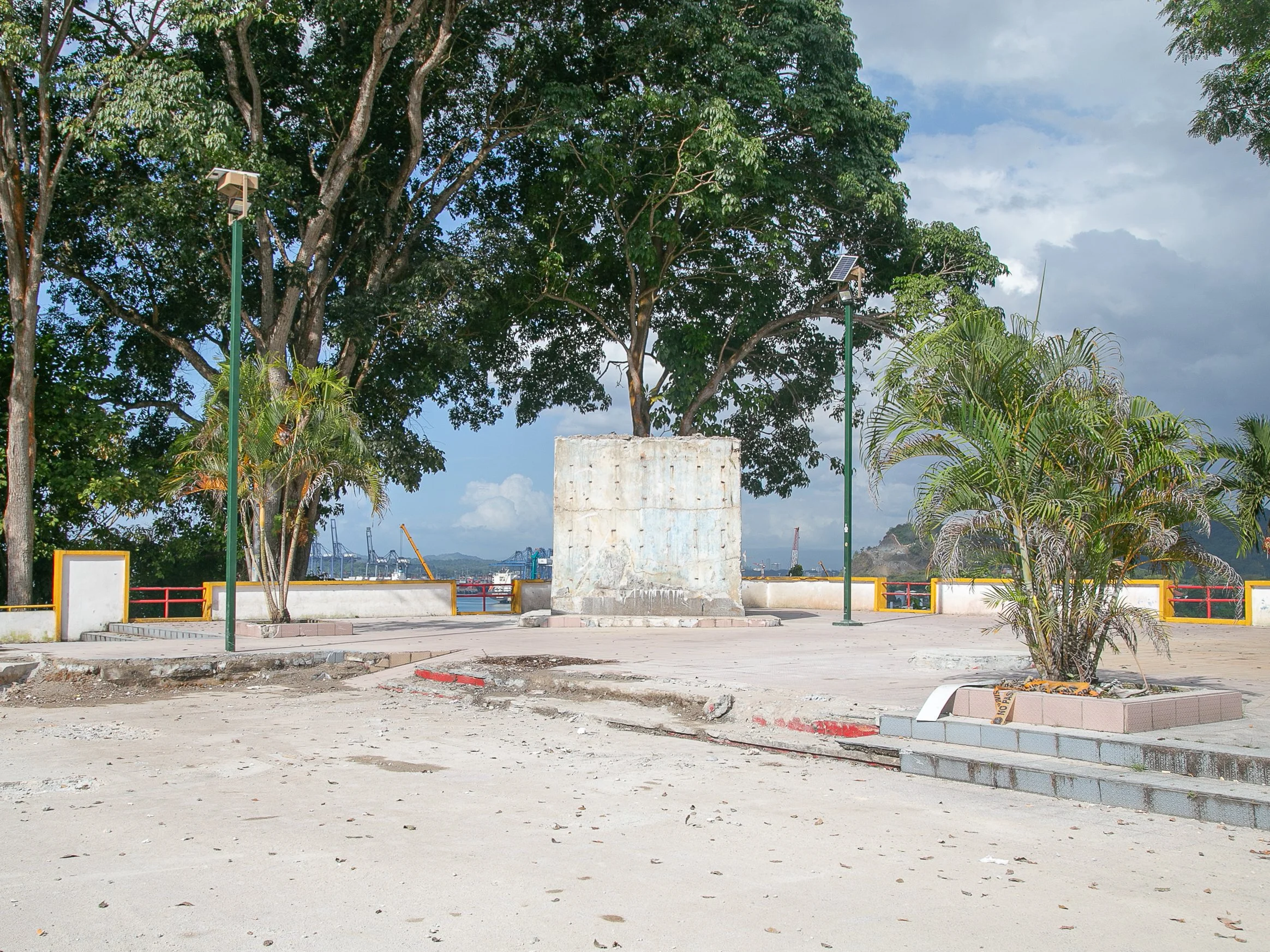
From its formation, Panama has been a site of connection and rupture, collision and consequence. ISTHMUS is a documentary photography project examining contemporary Panama and the social, political, and environmental forces shaping national identity. Historically positioned as a corridor for global trade and geopolitical interests, Panama continues to be defined by its strategic location and by infrastructures that shape daily life far beyond their economic function.
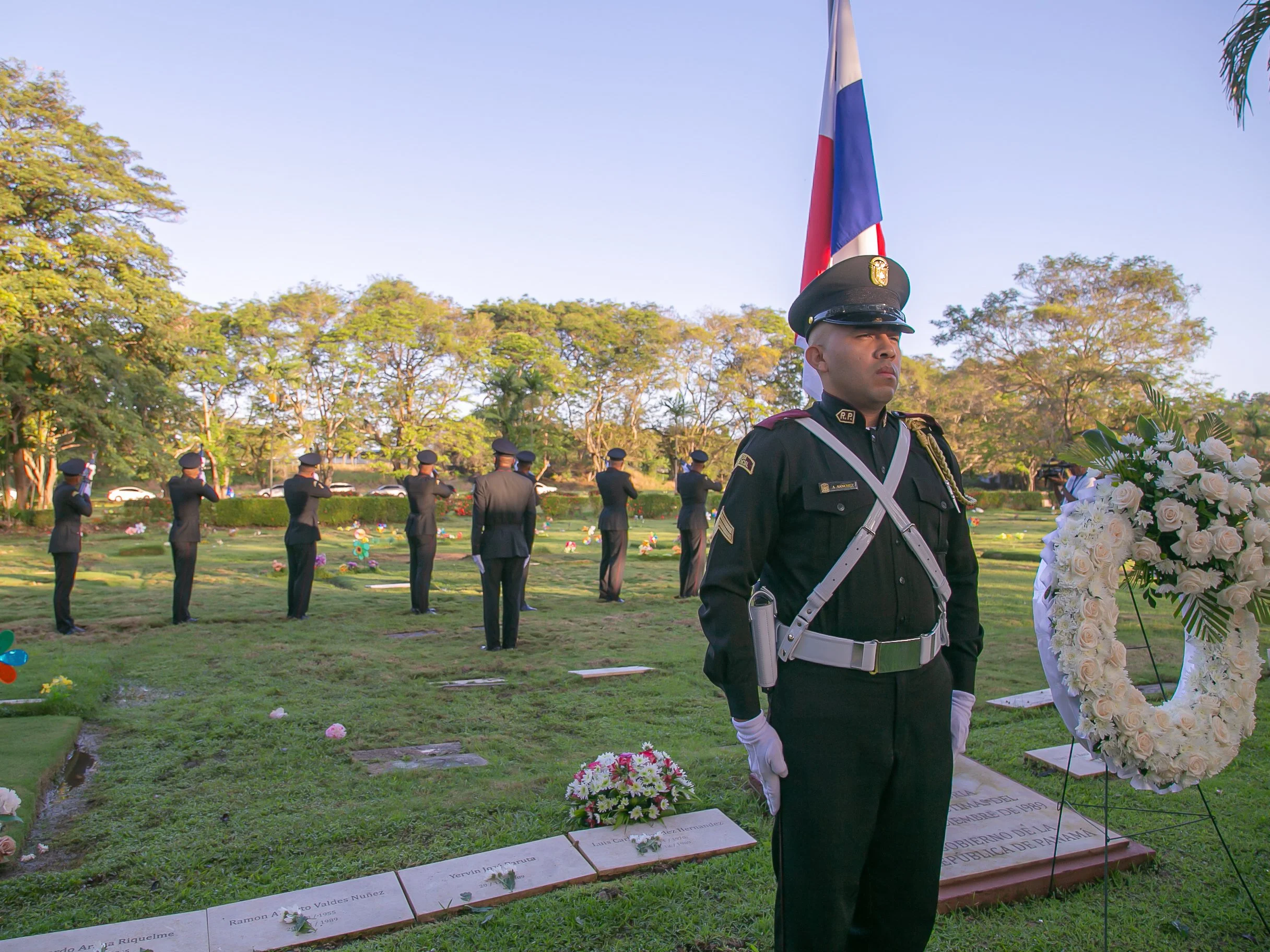
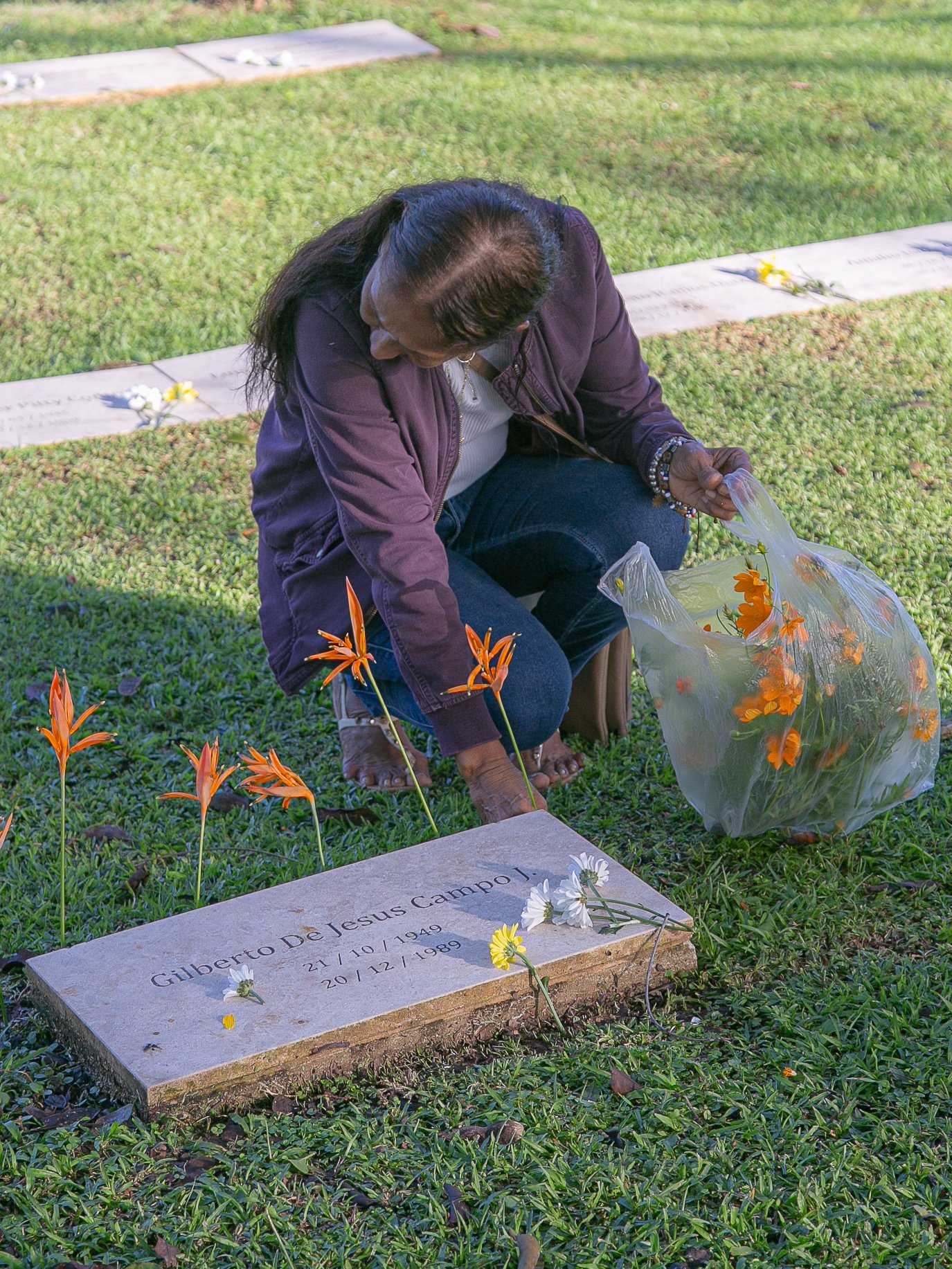
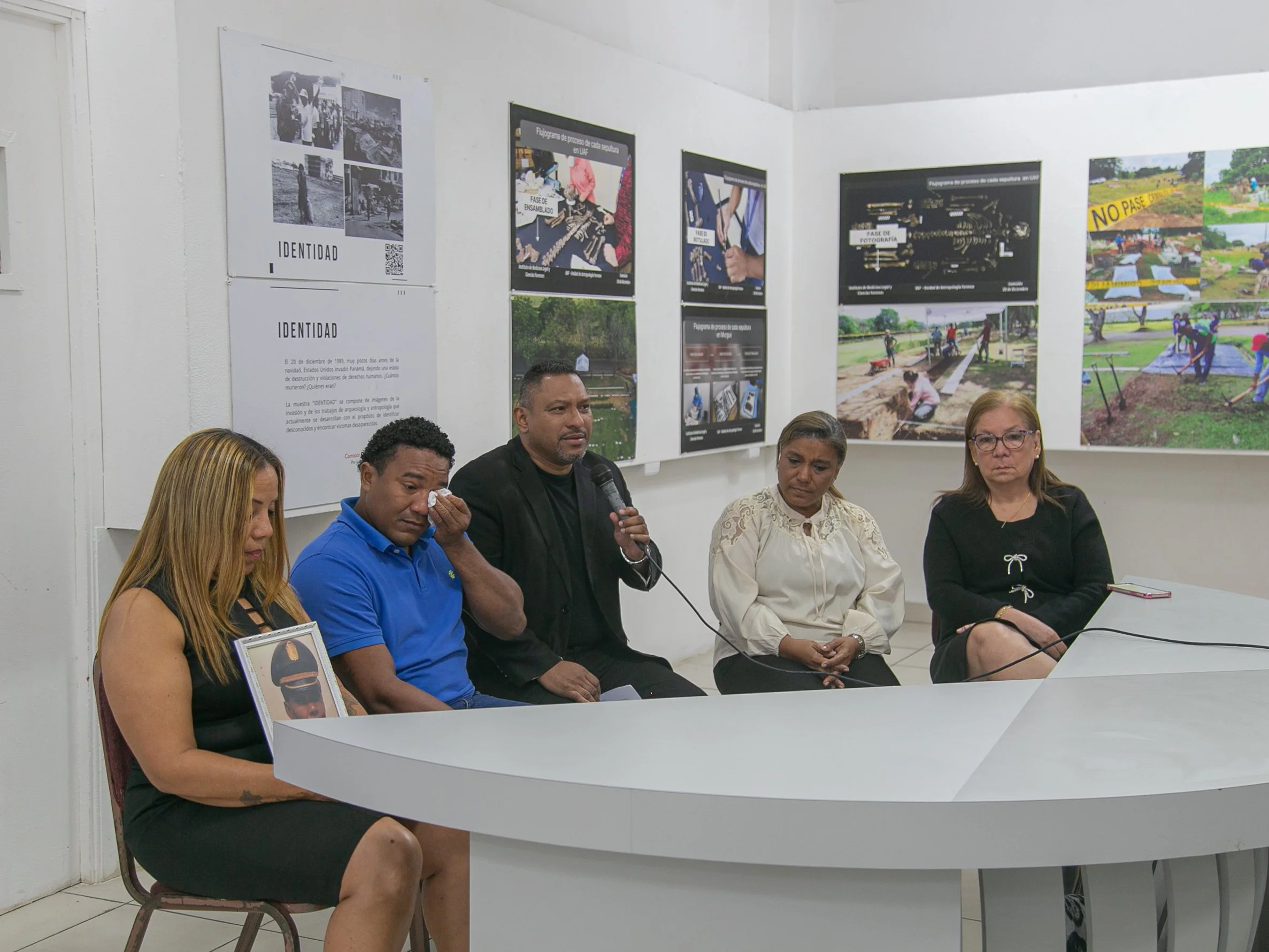
In 2025, renewed rhetoric around the Panama Canal, including statements by U.S. President Donald Trump suggesting the United States could “retake” control of the waterway, sharpened the urgency of this work. Though rejected by Panama’s government, such claims revived unresolved debates around sovereignty and memory, especially in light of the 1989 U.S. invasion and its lasting consequences. For many Panamanians, history feels cyclical.
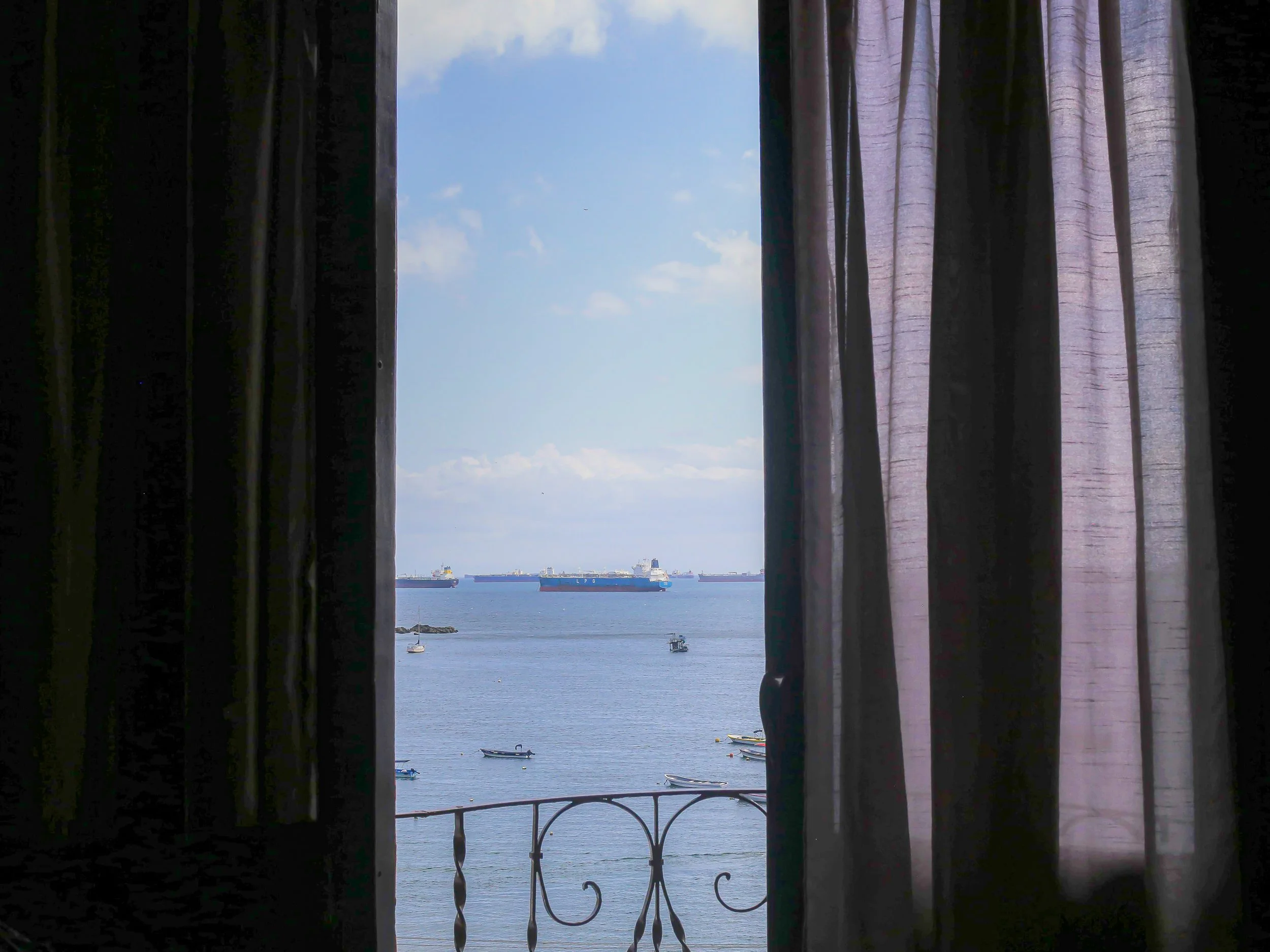
I approach this project from a dual Panamanian and German background. I move through the country both as an insider shaped by its contradictions and as someone attentive to how it is perceived from abroad. Panama is often imagined from the outside as a shortcut, a service, a bridge. A canal, a flag of convenience, a logistical solution. Meanwhile, the lives and struggles beyond transit remain largely unseen.
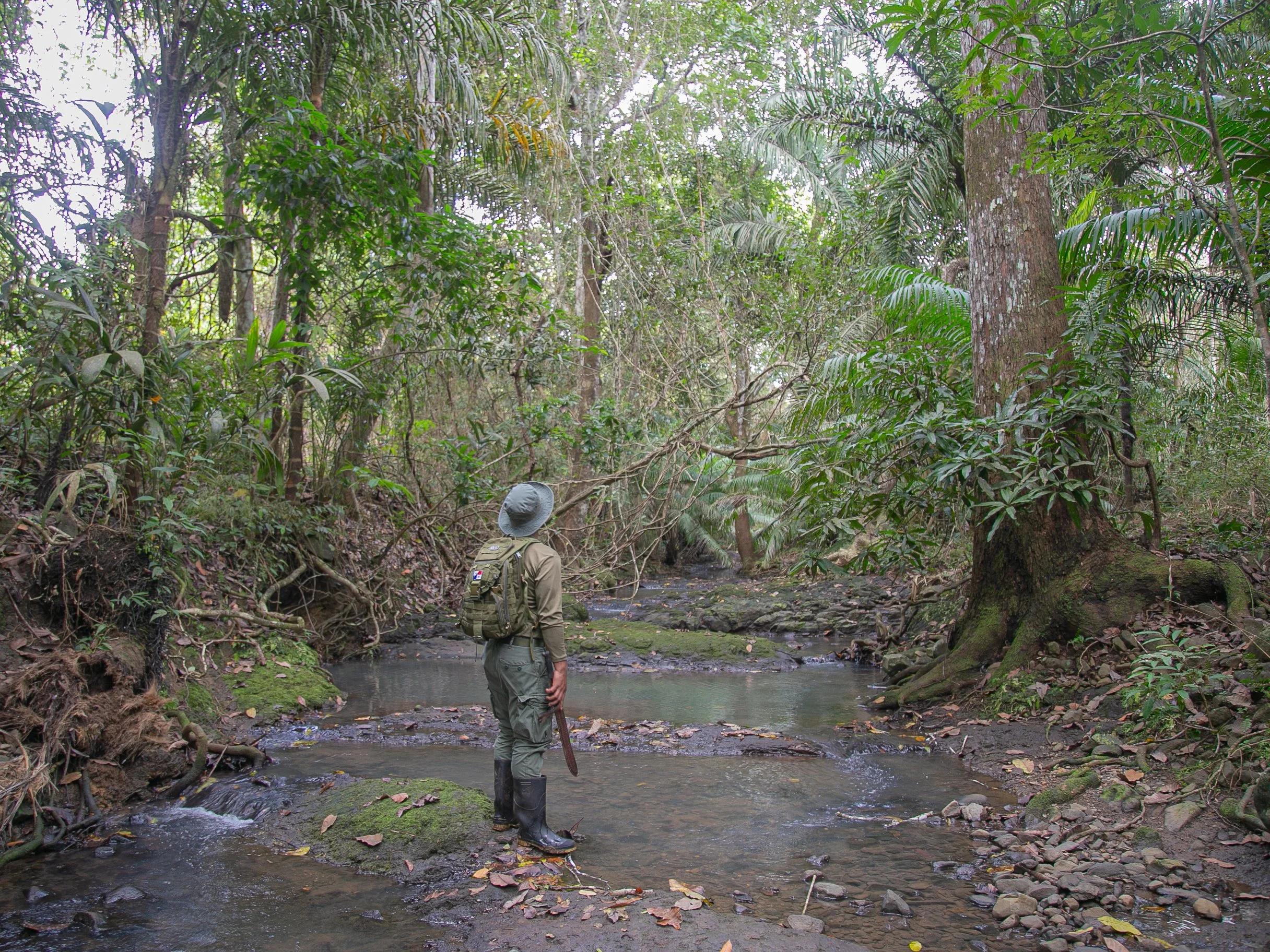
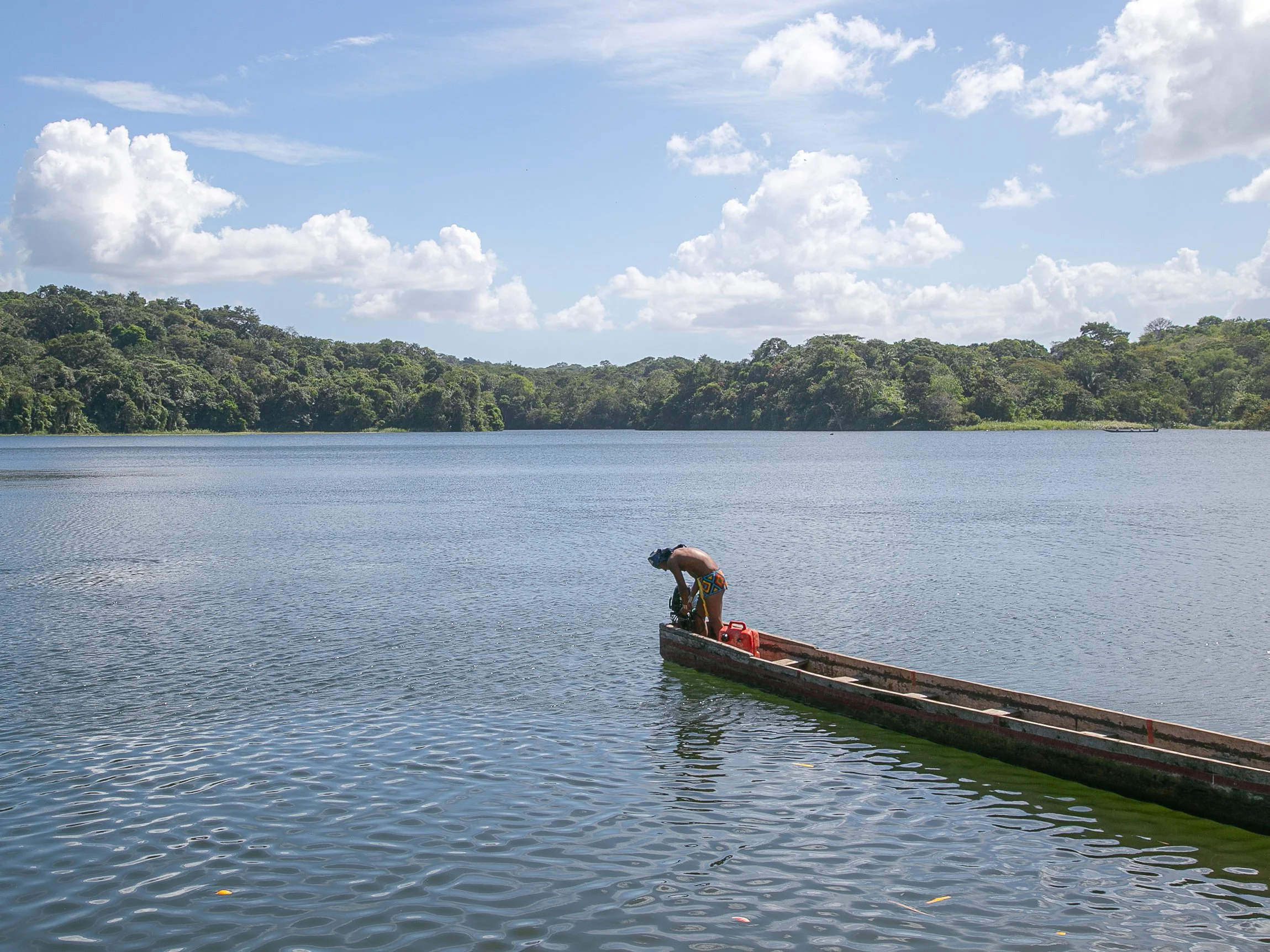
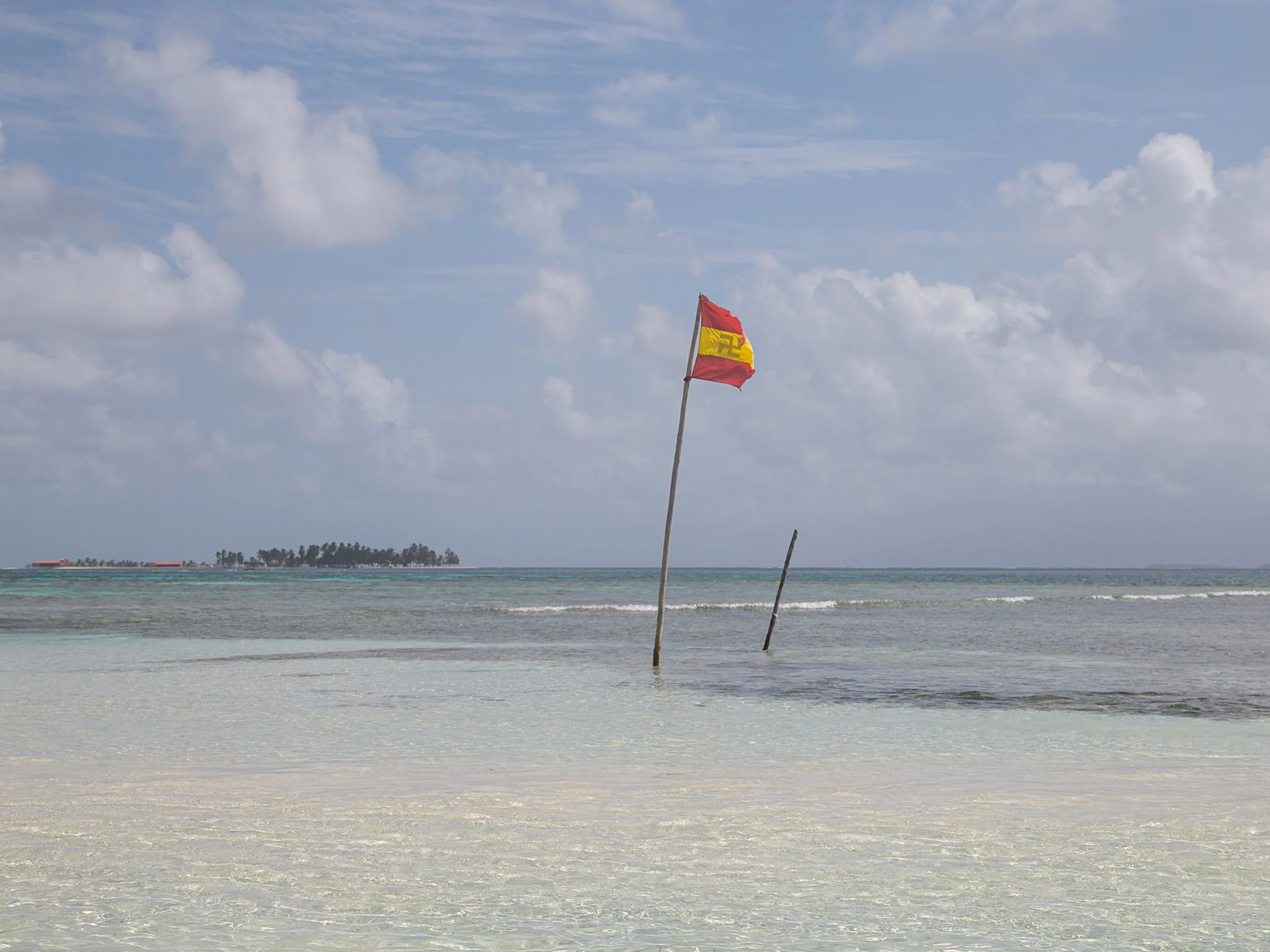
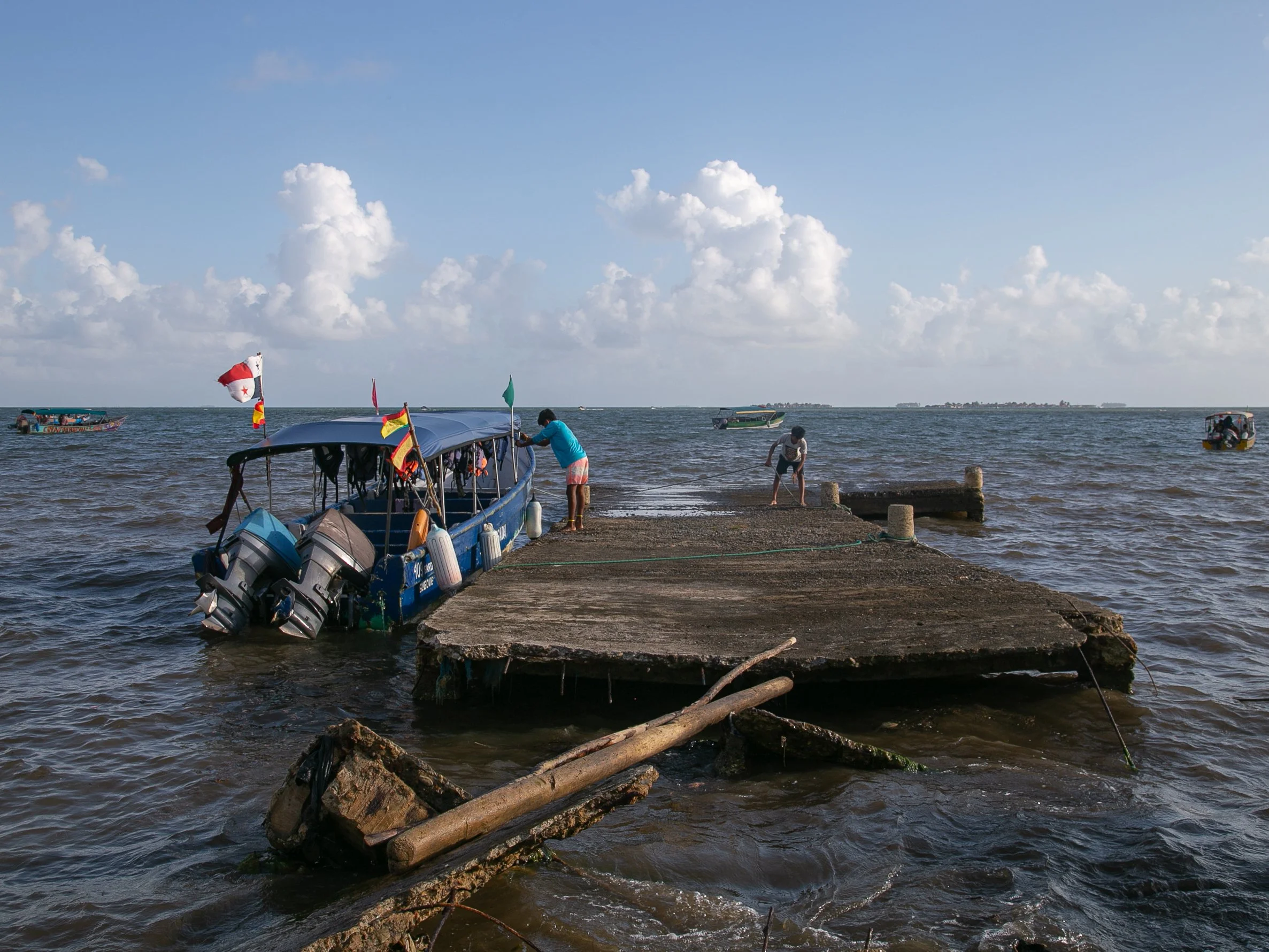
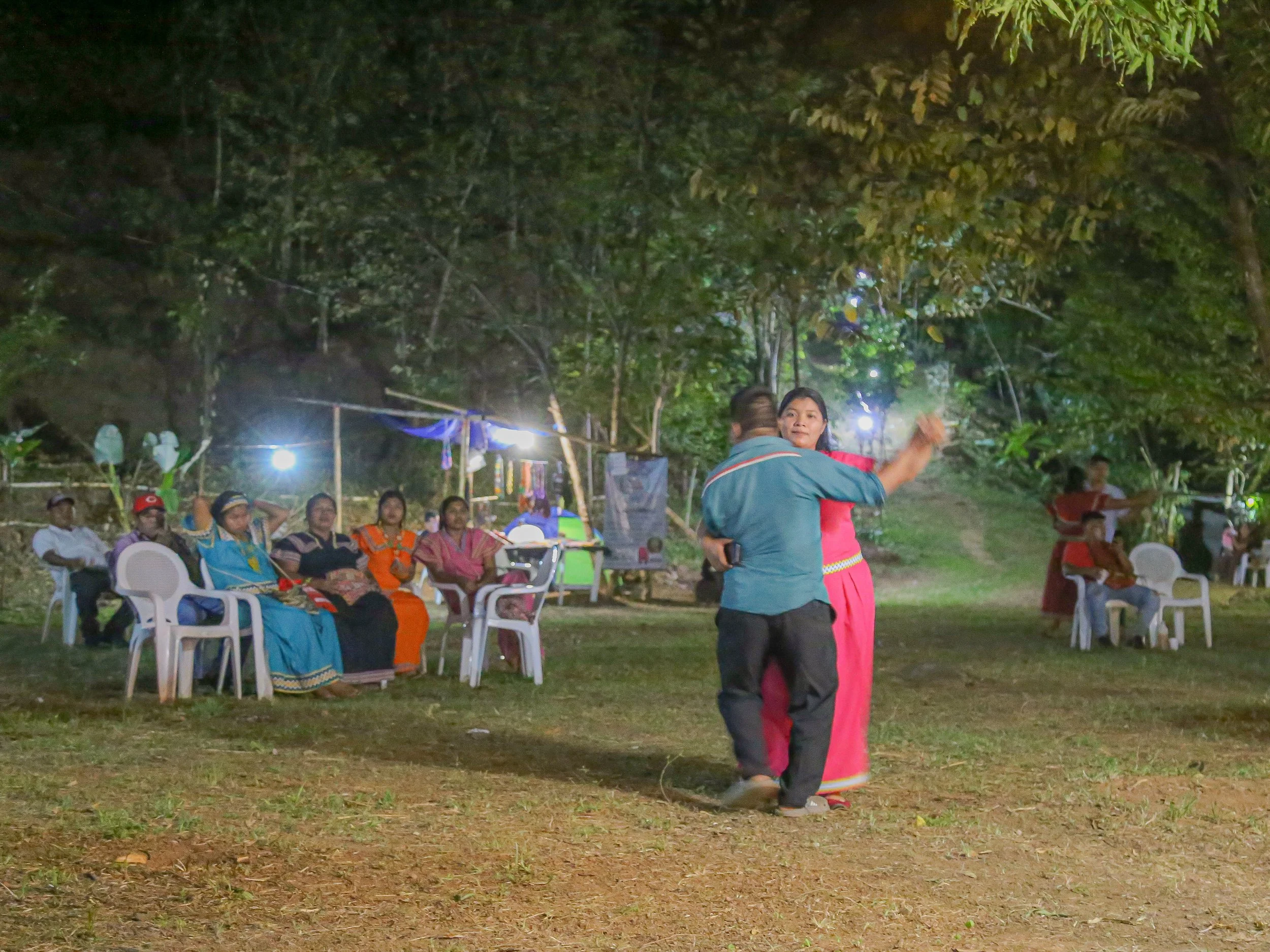
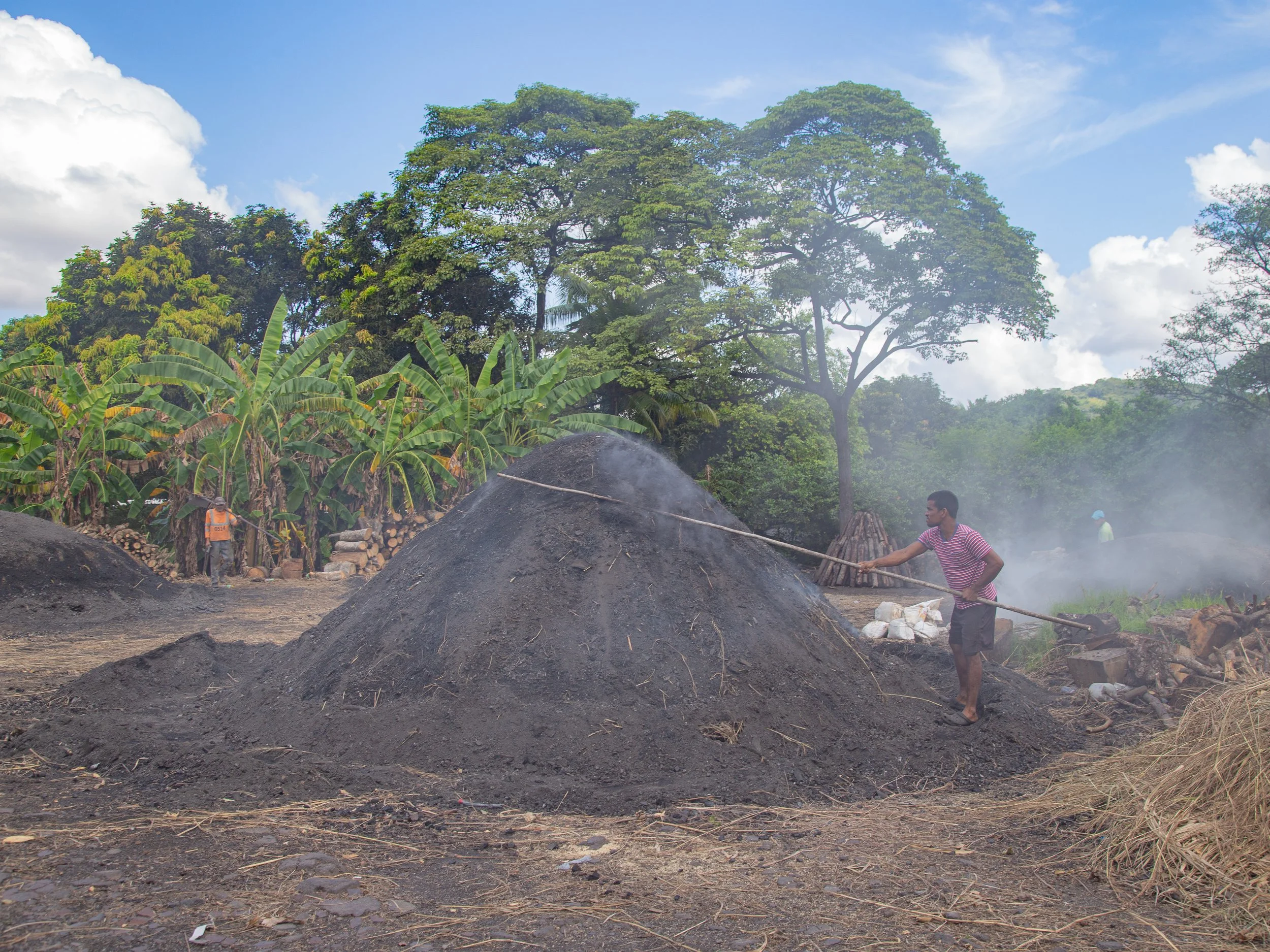
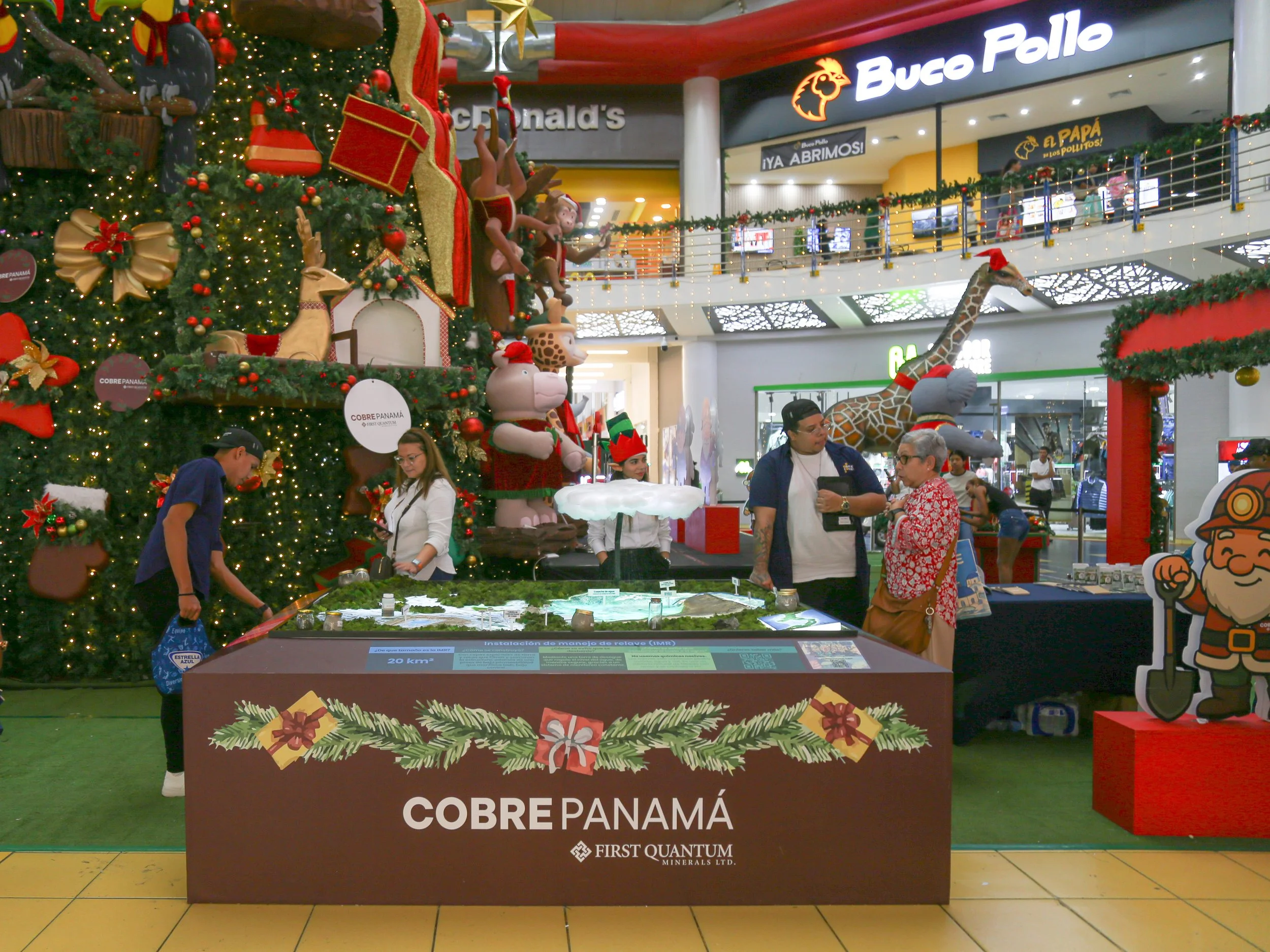
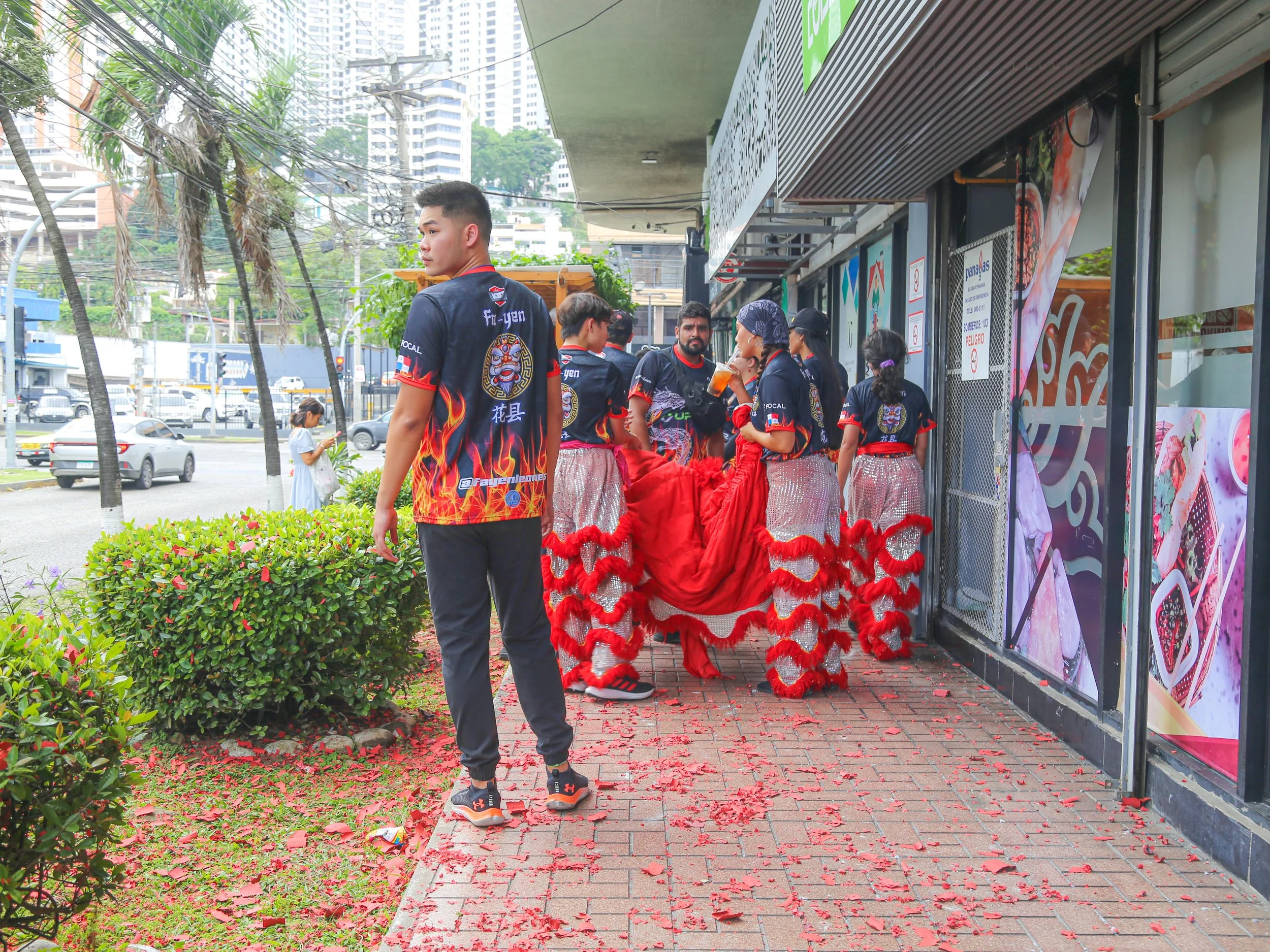
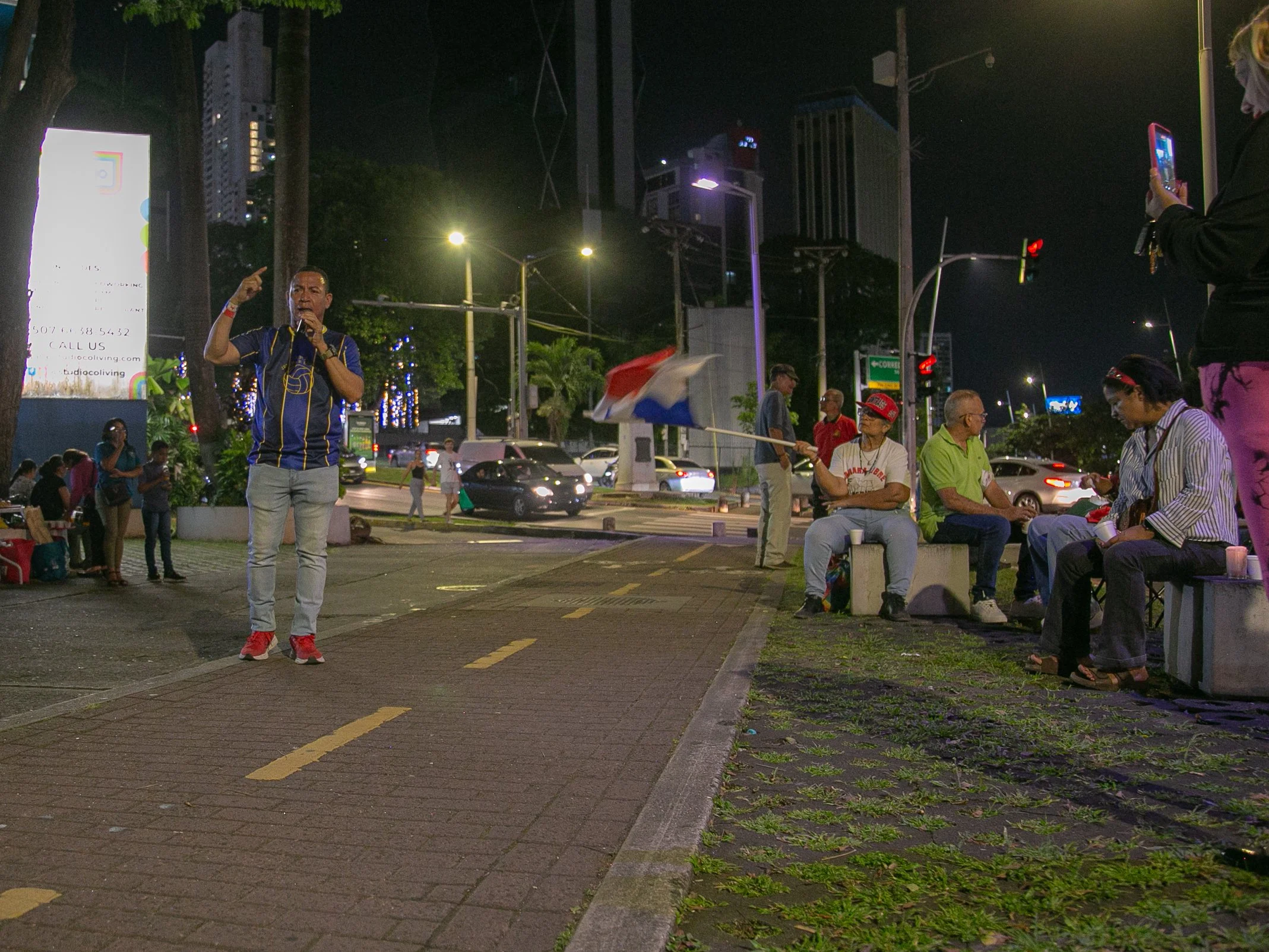
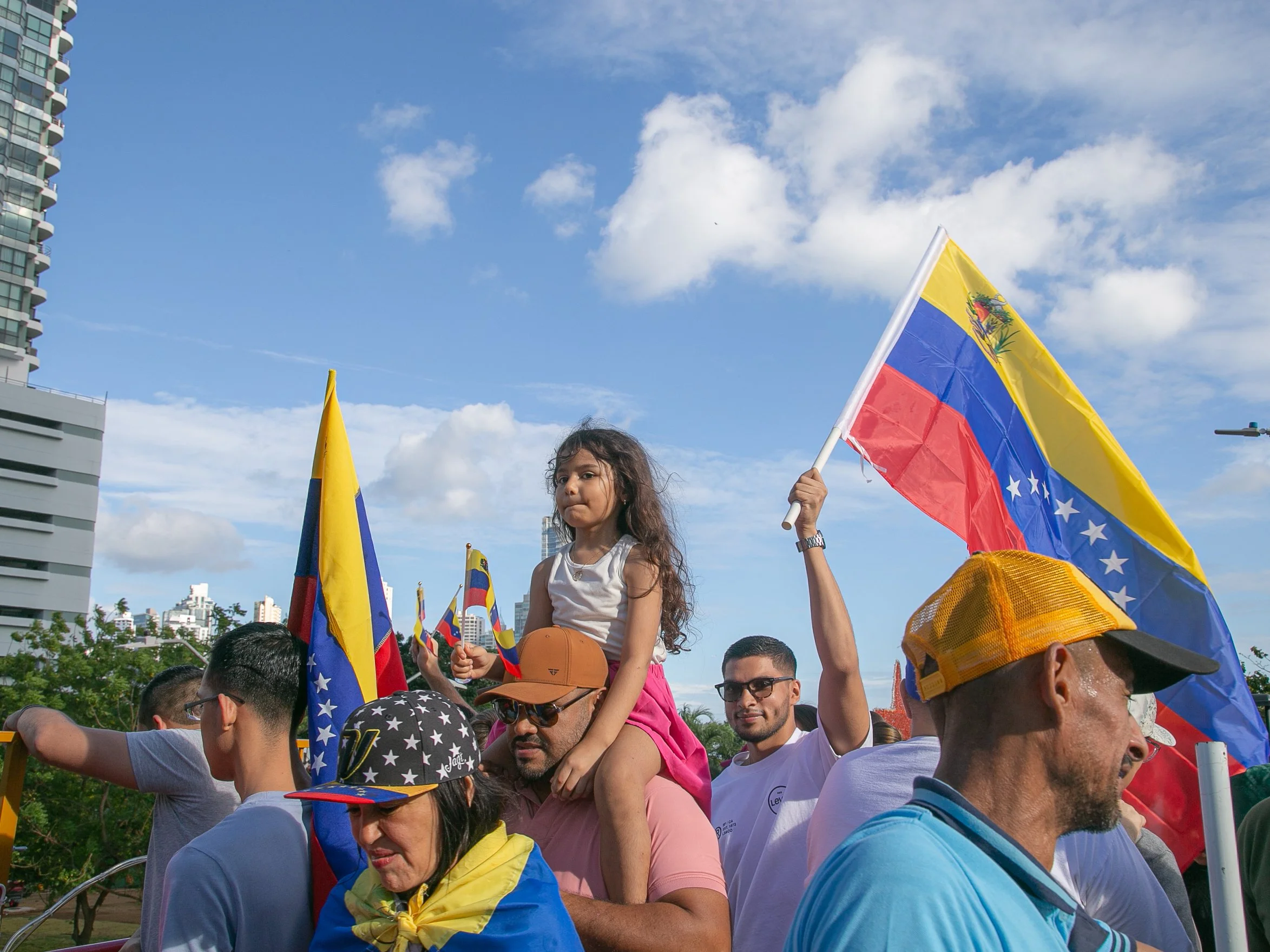
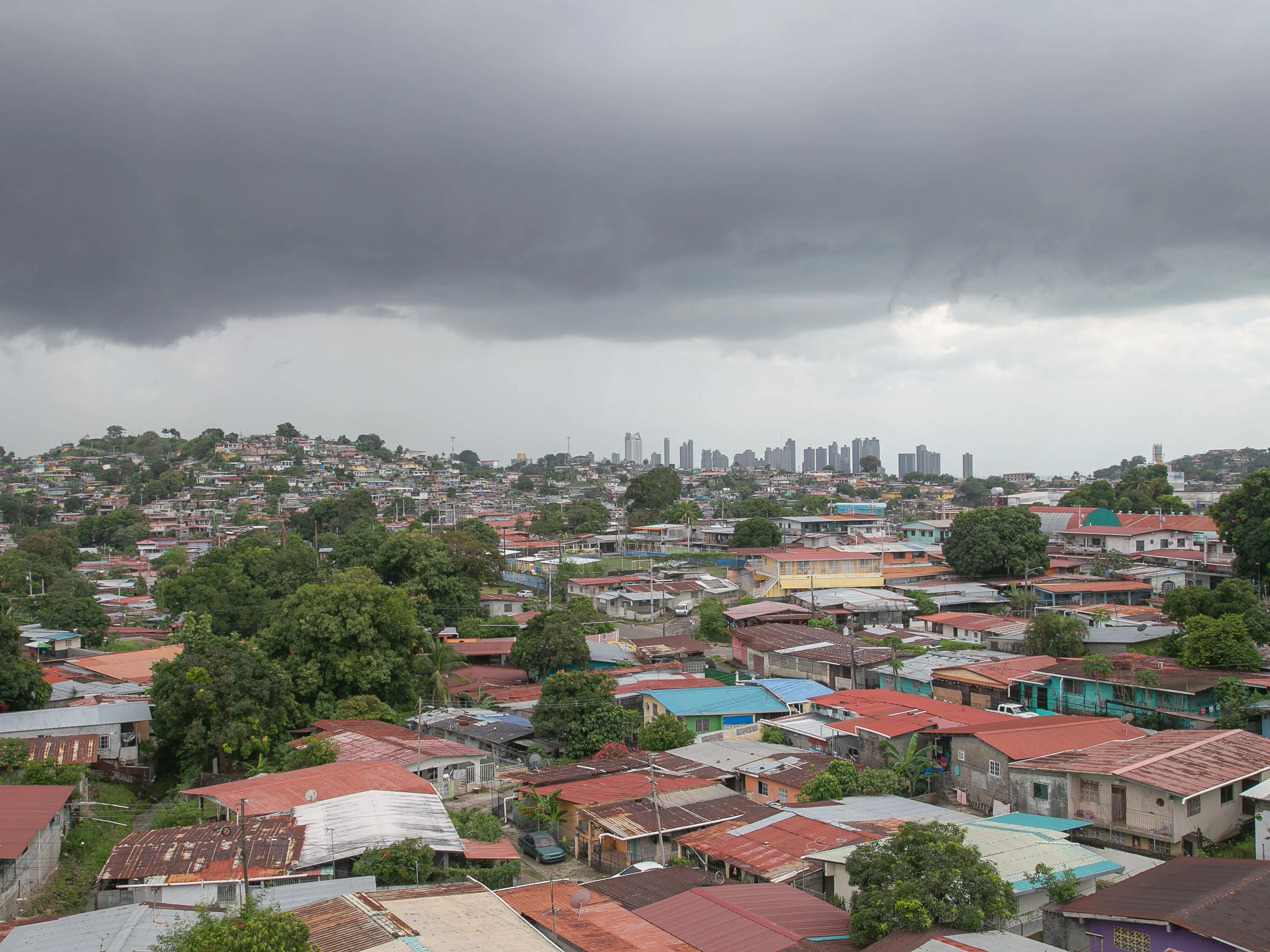
The project moves across urban neighborhoods marked by inequality and protest, Indigenous territories negotiating conservation policy and economic marginalization, areas affected by resource extraction, and sites of historical memory where the past remains present. Environmental pressures intensify: drought threatens Canal operations, mining projects spark nationwide strikes, coastlines erode, and forests fragment. Labor disputes, migration, and foreign capital intersect with everyday survival.
Rather than centering Panama solely as infrastructure or geopolitical asset, ISTHMUS asks: who is included in the national story? Whose labor built the Canal yet remains unacknowledged? Whose land was flooded, whose neighborhoods were bombed, whose bodies sustain the circulation of global trade? What does sovereignty mean in a country whose geography guarantees perpetual foreign interest?
This project is not about preserving a myth of nationhood. It is about confronting its fragility. The isthmus itself was formed through rupture, volcanic pressure forcing matter upward until a bridge emerged. In that sense, fragility and formation are inseparable.
I think again of that child eating grass at the millennium. What felt like boredom was, in retrospect, an encounter with historical time. The land beneath me had reorganized oceans. It had been partitioned, occupied, invaded, and reclaimed.
ISTHMUS is my attempt to stand still on that land and look closely, not at the ships passing through, but at the ground itself, and at the people who have always lived upon it.
Del turbulento Atrato
al chiricano suelo pastoril,
la Patria ha sido siempre
los andantes caminos.
Los galopes
del aire inmemorial,
territorio
de tránsito perpetuo.
La selva, las raíces,
la hierba adusta,
huraña,
las pesarosas tumbas
aborígenes.
“Panamá Defendida”, José Franco